
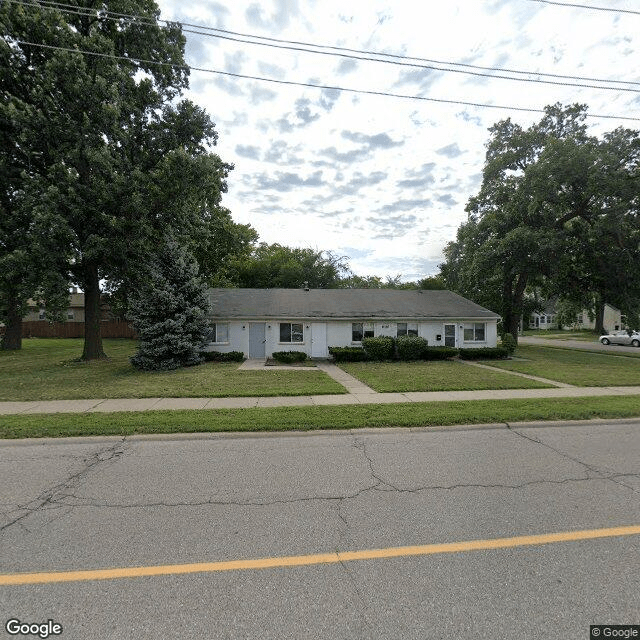
600 Wanda Street, Ferndale, MI 48220
To contact a resident: (734) 846-6988
For more information about senior living options: (866) 208-4318
Victory Lane Home Costs & Pricing
Victory Lane Home offers a competitive pricing model for its private rooms, with a monthly cost of $1,500. This rate stands in stark contrast to the average costs in Oakland County and across the state of Michigan, where prices soar to approximately $3,708 and $3,675, respectively. By providing such affordable accommodations without compromising on quality, Victory Lane Home positions itself as an appealing option for those seeking exceptional care at a more accessible price point. This strategic pricing not only enhances its appeal to potential residents but also underscores the commitment to delivering value in a market characterized by significantly higher rates.
| Floor plans | Victory Lane Home | Oakland County | Michigan |
|---|---|---|---|
| Private | $1,500 | $3,708 | $3,674 |
Senior living communities with a similar price nearby
-
About the same
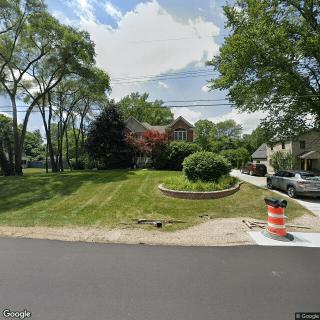
Tendercare Residential Services
$1,500 to $3,095 / month12.5 miles away -
from -$225 / mo
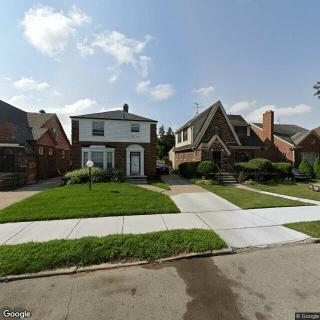
Kenyata's Adult Foster Care
$1,275 to $1,950 / month4.7 miles away -
from -$200 / mo
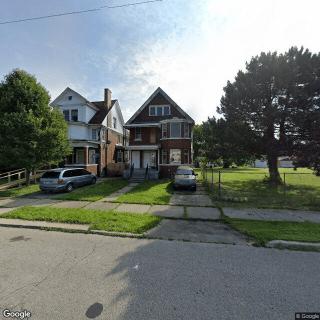
Assure Residential Care
$1,300 to $2,000 / month7.8 miles away -
About the same
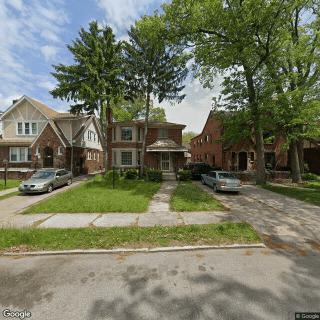
Mother Cabrini Home #1
$1,500 to $4,200 / month2.8 miles away -
from -$100 / mo
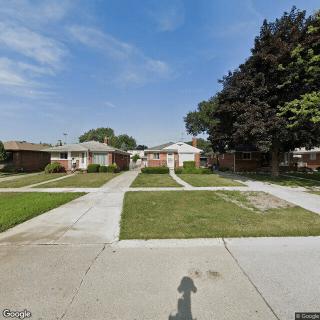
Better Life AFC
$1,400 / month14.0 miles away
Overall Review of Victory Lane Home
Pros
 They chose it for its close proximity to grandma's house.
- It has been repurposed into senior living, giving it ongoing usefulness.
Cons
 It is too expensive for them.
- It doesn’t meet their budget, so they have to find something else.
- The strong accents during calls make it hard for them to understand each other.
Review
Victory Lane Home in Ferndale is best suited for families who want a small, homelike senior living option anchored by proximity to a specific relative and a familiar neighborhood. The setting appears to operate out of a converted residence, which typically means a quieter pace, predictable routines, and a more intimate feel than a large campus. Families prioritizing easy drop-ins and noticeable family visibility will find the arrangement aligns with practical needs, quiet corridors, manageable daily tasks, and the reassurance of a nearby address. In short, it serves households that value personal connection and simplicity over sprawling amenities.
That said, this option is not a universal fit. Budget is the clearest gatekeeper: both reviewed experiences flag the same concern, that the price is simply too high for what is offered. For families operating under tight financial constraints, alternatives with more transparent pricing or lower base costs will usually make more sense. Additionally, prospective residents who rely on clear, easily understood communication will want to consider other communities, as observers note that strong accents on calls can complicate conversations and care coordination. Those seeking extensive programming, robust medical oversight, or highly structured activities may prefer a larger, purpose-built setting with clearer communication channels and a broader service menu.
The upside of Victory Lane’s smaller, home-like footprint can mitigate some drawbacks. Its location near the relative’s home reduces driving time, stress, and coordination efforts for family members who want to be involved or visit frequently. The intimate, residential vibe can translate into calmer days, easier staff-resident rapport, and a sense of autonomy that larger campuses sometimes struggle to sustain. For families who prize continuity, familiarity, and the comfort of a familiar address, the strengths here can create a meaningful, low-friction living arrangement that supports daily living without the bustle of a bigger community.
Yet the main cons do not disappear simply because the setting is quaint. Price remains the dominant hurdle, and the burden of cost can overshadow any intangible benefits of proximity and hominess. The reported communication friction, accent-heavy phone conversations, can translate into practical risks around care plans, medication administration, and daily scheduling if not promptly resolved. The cautious read from reviews, tinged with neutrality, signals that satisfaction hinges on individualized expectations meeting a notably lean operation. In other words, the value proposition rests on whether the buyer accepts a smaller scale of services in exchange for location and atmosphere, and whether the administrative processes can be made consistently clear.
To navigate these trade-offs, families should approach Victory Lane with a disciplined plan. Request a formal, written price breakdown and compare it to similar Ferndale options to establish real, apples-to-apples value. Clarify what the base rate covers, what activities are included on-site, and whether transportation, CNAs, or memory care services come at an extra cost. Schedule a structured tour, observe staff-resident interactions, and probe staffing levels after hours. Ask for concrete examples of how care plans are developed and adjusted, and request references from current families. Finally, gather quotes from two to three competing communities to confirm that the choice reflects true value rather than a convenient proximity.
In the end, Victory Lane Home offers a candidly appealing option for a very specific family dynamic: proximity to loved ones, a home-like atmosphere, and straightforward routines in a modest setting. It is unlikely to satisfy budget-sensitive families or those requiring broad amenities and highly predictable communication systems. For households willing to tolerate higher cost in exchange for intimate, neighborhood-based living and direct family involvement, it remains worth evaluating. For all others, pursuing alternatives with clearer pricing and stronger communication frameworks will typically deliver more reliable peace of mind and long-term fit.
 Board and Care Home
 Activities on-site
 Devotional services off-site
 Indoor common areas
 Private
 Detroit Metropolitan-Wayne County (20 miles away)
 Ambulatory care
 Diabetic care
 Meals provided


 Nurturing Our Elders: Linda's Journey of Supporting Her Mother
 A Comprehensive Exploration of Common Misunderstandings about Powers of Attorney
 Senior Move Management: Understanding the Role, Value, and Associated Costs