
29451 Halsted Road, Farmington Hills, MI 48331
For more information about senior living options: (866) 208-4318
Overall Review of Halsted Place Apartments
Pros
 Halsted Place is a family-operated business with a consistently reliable staff.
- The staff at Halsted Place is more constant than at many other facilities.
- The people at Halsted Place matter more than the building, making it special.
- Halsted Place is a family-owned operation with the first generation living on site.
- Halsted Place has great staff, happy residents, and plenty of interesting activities.
- The on-site nursing staff at Halsted Place provides compassionate and flexible care.
- The food at Halsted Place is excellent, with a menu residents can order from.
- Residents feel like Halsted Place becomes a second family through the caring staff.
- The directors at Halsted Place are wonderful, caring, and go above and beyond to help families.
Cons
 There was not a single staff member who checked on her during the day.
- Many of her personal belongings disappeared, including towels, socks, pajamas, and clothes.
- The family was disappointed with the value for the money charged.
- The family felt there were not enough daily check-ins.
Review
Halsted Place Apartments in Farmington Hills is best suited for seniors who want a small, family-operated assisted living where people matter more than the building. This community runs on the core belief that a long-tenured, hands-on staff can deliver steadier, more personalized care than larger operators. Families consistently observe that staff continuity translates into reliable, warm interactions and real relationships, with embedded nursing support that remains accessible as health needs shift. The combination of comfortable apartments, a central dining room, and thoughtful programming creates a practical, home-like setting where independence and support coexist without the impersonal feel of a big campus.
Those who should consider alternatives are families prioritizing heavy-duty memory care or 24/7 skilled nursing in a more clinical environment. A review noting limited checks on a loved one with early Alzheimer's signals that constant monitoring can be uneven, which matters for advanced dementia or high-security oversight expectations. A newer or more institutionally oriented campus may also appeal to families seeking a highly structured, strictly regulated environment with the next-level memory-care infrastructure. For these situations, exploring options that are explicitly memory-care focused or offer more aggressive clinical programming is prudent.
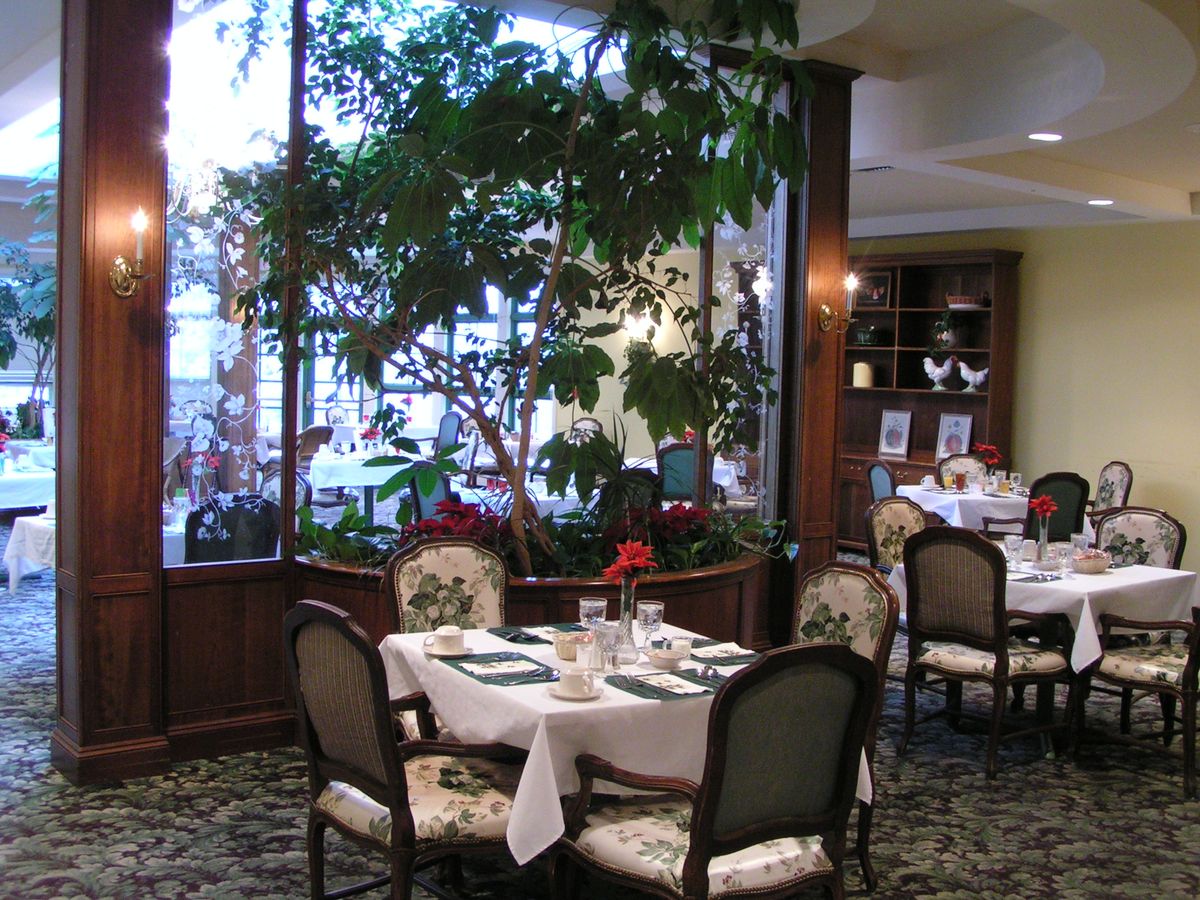
Yet the strongest positives here, staff consistency, genuine nursing care, and owner involvement, largely offset those concerns. The operation’s stability means caregivers remember residents’ histories, routines, and preferences, which reduces anxiety for families and fosters quicker response when needs change. The nursing team is repeatedly praised for compassionate, adaptable care that treats residents like family, while the dining program, with varied menu options and a formal dining room, turns meals into a dependable daily highlight. The homey ambiance, holiday touches, and a calendar of activities help sustain social engagement, a critical factor for quality of life as independence evolves.
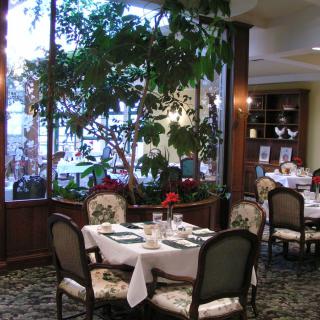
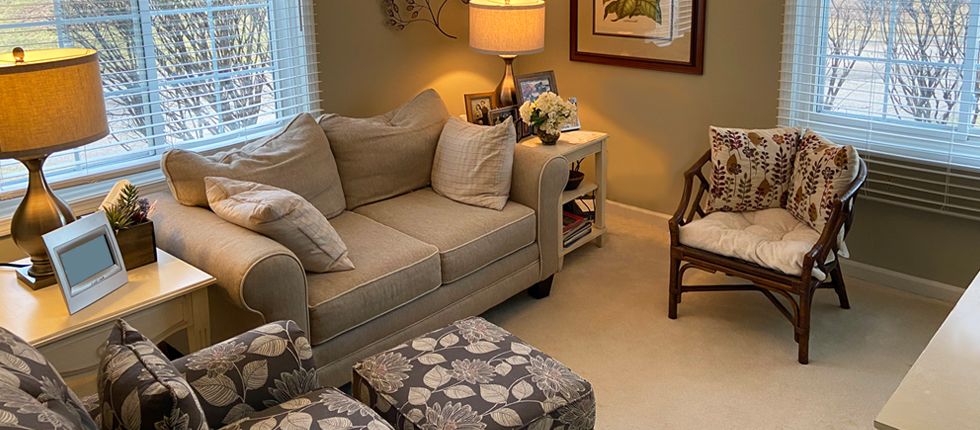
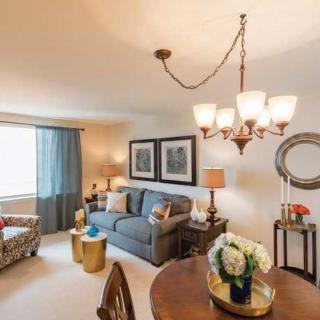
Environment and logistics reinforce the care model. The apartments are comfortable and accessible, with a notable emphasis on practicality: some residents enjoy a first-floor two-bedroom layout that eases mobility, and pets are welcomed, preserving home-life routines for those who cherish animal companionship. Transportation for shopping and activities is available, which reduces caregiver burden and supports ongoing autonomy. A central dining space with standard, well-executed meals anchors daily life, while the broader staff network, housekeeping, dining, reception, and caregiving, contributes to a cohesive, responsive service experience. The owners’ visible pride in decor and events underscores a culture that treats residents as part of a longtime family.
This community is a strong fit for seniors who value continuity and practical, person-centered care within a warm, intimate setting. Families that prize long-tenured staff, dependable caregivers, and a management team that remains actively involved will find Halsted Place aligns with those priorities. The embedded nursing and adaptable care plans suit individuals with fluctuating health needs who don’t require round-the-clock intensive supervision. For memory-specific scenarios, however, it remains wise to verify the facility’s exact capabilities and protocols to ensure alignment with expectations and to avoid gaps in care as health status evolves.
Decision-makers should approach Halsted Place with clear criteria and a grounded checklist. Tour the living space and confirm that the apartment configuration aligns with current or anticipated needs. Probe the care-planning process, ask how coordination across shifts works, and request candid examples of how health changes were managed recently. Verify the responsiveness and bedside manner of the nursing team and inquire about policies on personal belongings and room maintenance to prevent future disappointments. Attend a meal, review the activity calendar, and confirm transportation options, especially for appointments or social outings. If warmth, continuity of care, and a genuine sense of community matter, Halsted Place delivers, but for families prioritizing aggressive memory-care environments or the newest campus aesthetics, alternative options may fit more precisely.
 115 resident community capacity
 Assisted Living
 Air-conditioning
 Beauty salon
 Cable or satellite TV
 Computer center
 Dining room
 Fitness room
 Fully furnished
 Gaming room
 Garden
 Housekeeping services
 Kitchenette
 Move-in coordination
 Outdoor space
 Private bathrooms
 Restaurant-style dining
 Small library
 Telephone
 Wellness center
 Wi-Fi/high-speed internet available
 Detroit Metropolitan-Wayne County (21 miles away)
 Community operated transportation
 12-16 hour nursing
 24-hour call system
 Activities of daily living assistance
 Assistance with bathing
 Assistance with dressing
 Assistance with transfers
 Diabetes diet
 Medication management
 Mental wellness program
 Special dietary restrictions
 Concierge services
 Planned day trips




 Assisted Living and Memory Care: Understanding Their Core Differences
 Beyond the Bingo Hall: 50+ Enriching Activities for Seniors in Assisted Living
 Understanding the Distinctions: Assisted Living and Memory Care Explained