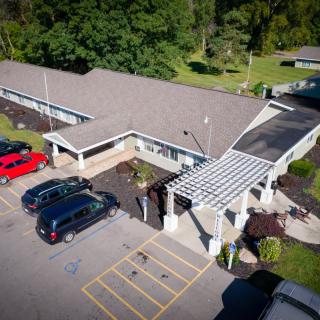
Hopkins Townhouse Adult Foster Care is an assisted living community in Evart, MI.
Information last verified:
228 North Pine, Evart, MI 49631
For more information about senior living options: (866) 208-4318
3.9 from 35 reviews
5 stars
24
4 stars
2
3 stars
0
2 stars
1
1 stars
8
Hopkins Townhouse Adult Foster Care Costs & Pricing
Hopkins Townhouse Adult Foster Care offers competitive pricing for its accommodations compared to both Osceola County and broader state averages in Michigan. For instance, the monthly cost for a studio at Hopkins is $2,265, significantly lower than the county's typical rate of $3,515 and the state's average of $3,824. Similarly, a one-bedroom unit at Hopkins is priced at $2,765, making it more affordable than Osceola County's rate of $3,335 and Michigan's average of $3,384. The two-bedroom option also demonstrates substantial savings; at $3,435 per month, it remains below both the county average of $3,623 and the state figure of $3,523. Overall, residents can find exceptional value at Hopkins Townhouse Adult Foster Care while still receiving quality care and services.
Floor plans
Hopkins Townhouse Adult Foster Care
Osceola County
Michigan
Studio
$2,265
$3,515
$3,824
1 Bedroom
$2,765
$3,335
$3,384
2 Bedrooms
$3,435
$3,623
$3,523
Assisted Living communities with a similar price nearby
Overall Review of Hopkins Townhouse Adult Foster Care
common3 reviews mention this
Home-like atmosphere and quiet
Residents describe a home-like atmosphere that can feel quiet.
Several reviews use family or home-style language, including “home away from home” and a “down home” atmosphere. At least one reviewer also mentions it felt nice and quiet. Taken together, the reviews suggest the day-to-day environment is calmer than many alternatives, at least for some families.
common5 reviews mention this
Staff are kind and go the extra mile
Many residents highlight kind staff who respond when it matters.
Multiple reviews call the staff nice, kind, and considerate, including praise for “going the extra mile” during a real time of need. Some reviewers also frame the staff as supportive and family-like in how they treat residents. While experiences vary across reviews, positive staff interactions are a consistent thread.
common2 reviews mention this
Daily activities and youth outings
Reviews mention activities like soccer and youth retreats.
Residents describe getting involved in structured activities, including soccer and a youth retreat. The community also lists community-sponsored activities and scheduled daily activities. This alignment suggests that residents aren’t only kept busy, but are also offered organized, group-based options.
caveat2 reviews mention this
Communication and care progress vary
Some families report limited communication and disappointing progress.
At least a couple of reviews describe problems with communication—such as not being notified about changes or late pick-ups—and frustration with how things were handled. Other negative feedback focuses on outcomes, with reviewers saying the experience didn’t meet expectations. Together, the reviews suggest expectations around updates and results may not always be aligned.
differentiator1 reviews mention this
Pricing is substantially lower than averages
Pricing is priced well below county and state benchmarks across unit types.
Pricing benchmarks in the listing show rates that are meaningfully below both county and state comparisons across studio, one-bedroom, and two-bedroom options. This can matter most if you’re comparing budgets across similar care communities in the region. The reviews provided here don’t include detailed pricing commentary, so the cost advantage is based on the listed comparison figures.
How we summarize
Counts show how many written reviews mention each theme; a review can touch several themes, and only frequently mentioned themes are displayed.
Features
Housing
12 resident community capacity
Types of Care
Assisted Living
Amenities
Cable or satellite TV
Dining room
Fully furnished
Garden
Housekeeping services
Move-in coordination
Outdoor space
Telephone
Wi-Fi/high-speed internet available
Care Services
24-hour supervision
Activities of daily living assistance
Assistance with bathing
Assistance with dressing
Assistance with transfers
Coordination with health care providers
Diabetes diet
Meal preparation and service
Medication management
Special dietary restrictions
Transportation arrangement (medical)
Transportation to doctors appointments
Dining
Diabetes diet
Special dietary restrictions
Activities
Community-sponsored activities
Scheduled daily activities
Nearby Places of Interest
Transportation
U-Haul Neighborhood Dealer (0 miles)
U-Haul Moving & Storage (0.7 miles)
Evart Municipal Airport (9C8) (0.9 miles)
Rug-Be Bears (12.2 miles)
Rug-Be Bears (12.3 miles)
U-Haul Neighborhood Dealer (12.6 miles)
A Trophy Room (13 miles)
Restaurants
Dairy Whip (0.1 miles)
Lamplighter Cafe (0.2 miles)
B C Pizza (0.2 miles)
McDonald's (0.6 miles)
River Junction (9.9 miles)
4 Corners Grill (10.5 miles)
Charlie's Chow House (10.6 miles)
Places of Worship
First Baptist Church of Evart (0.1 miles)
Brasil Mission Team (0.2 miles)
Calvary Baptist Church (0.4 miles)
Free Methodist Church (0.8 miles)
Sacred Heart Catholic Church (1.2 miles)
Jehovah's Witnesses (2.2 miles)
Harmony Haven Home (2.8 miles)
Pharmacies
Evart Pharmacy (0.1 miles)
UPS Authorized Shipping Provider (0.1 miles)
Rite Aid (12.6 miles)
Hometown Pharmacy (12.6 miles)
Pattie Drug (12.6 miles)
Marion Pharmacy (14.9 miles)
Parks
Riverside Park Campground (0.3 miles)
Riverside City Park (0.4 miles)
Haymarsh Lake State Game Area (10.6 miles)
Porky Park (10.7 miles)
Reed City Park (12.7 miles)
Rambadt Park Campground (12.9 miles)
Merrill Lake Park Camp Ground (14.4 miles)
Cafes
Sugar Raes Cafe (0.6 miles)
Williams Cafe (11.9 miles)
Cadillac Winery (14.7 miles)
Flashback Cafe (14.9 miles)
Hospitals
Spectrum Health (0.8 miles)
Spectrum Health-Reed City Hospital (12.6 miles)
Spectrum Health (13.1 miles)
Physicians
Spectrum Health Reed City Hospital (13.1 miles)
Susan P. Wheatlake Regional Cancer Center (13.1 miles)
Hopkins Townhouse Adult Foster Care offers competitive pricing for its accommodations compared to both Osceola County and broader state averages in Michigan. For instance, the monthly cost for a studio at Hopkins is $2,265, significantly lower than the county's typical rate of $3,515 and the state's average of $3,824. Similarly, a one-bedroom unit at Hopkins is priced at $2,765, making it more affordable than Osceola County's rate of $3,335 and Michigan's average of $3,384. The two-bedroom option also demonstrates substantial savings; at $3,435 per month, it remains below both the county average of $3,623 and the state figure of $3,523. Overall, residents can find exceptional value at Hopkins Townhouse Adult Foster Care while still receiving quality care and services.
Medicaid coverage for assisted living varies by state and is primarily available to low-income individuals, with eligibility dependent on strict income and asset limits. Some states offer HCBS waivers for specific services in assisted living, but families must generally cover room and board costs, and should verify facility acceptance of Medicaid while considering potential waiting lists.
Medicaid waivers for assisted living services provide vital support for seniors and individuals with disabilities in need of long-term care, with varying state-specific eligibility criteria and benefits. These waivers cover personal care and case management but often do not fully cover room and board, leading to waiting lists for many applicants.
The article examines the complexities of assisted living for individuals with disabilities, emphasizing the need for tailored care solutions that enhance quality of life and social inclusion, while addressing financial challenges and advocating for community integration. It discusses various housing options, the importance of financial assistance through public benefits, and highlights trends towards integrated and technology-driven solutions in disability-focused housing.
Get PricingAsk A QuestionSchedule A TourContact Senior Advisor
By clicking submit, you agree to our Partner's Terms of Use. You
also consent to receive calls and texts, which may be autodialed, from our Partner. Your consent is not a condition to
using our Partner's service. Please visit our Partner's Privacy Policy for information about their privacy practices.



 12 resident community capacity
 Assisted Living
 Cable or satellite TV
 Dining room
 Fully furnished
 Garden
 Housekeeping services
 Move-in coordination
 Outdoor space
 Telephone
 Wi-Fi/high-speed internet available
 24-hour supervision
 Activities of daily living assistance
 Assistance with bathing
 Assistance with dressing
 Assistance with transfers
 Diabetes diet
 Meal preparation and service
 Medication management
 Special dietary restrictions
 Transportation arrangement (medical)
 Transportation to doctors appointments
 Home-like townhouse setting with 24/7 supervision, personalized care, and diabetes-friendly meals.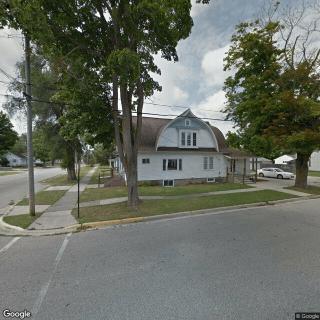
 How and When Medicaid May Cover Assisted Living Costs
 A Detailed Exploration of Assisted Living Medicaid Waivers Across the United States
 Comprehensive Residential Support and Assisted Living Solutions for Individuals with Disabilities