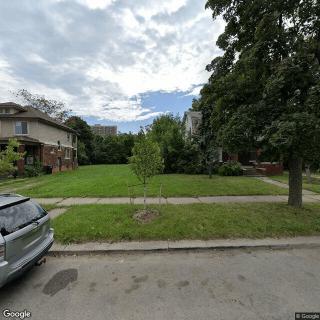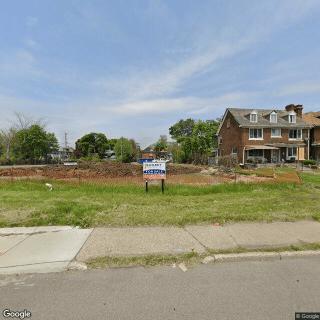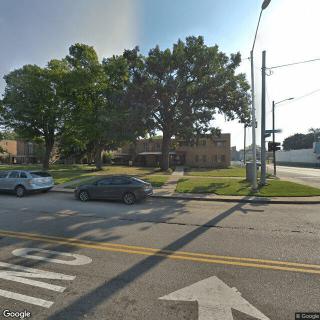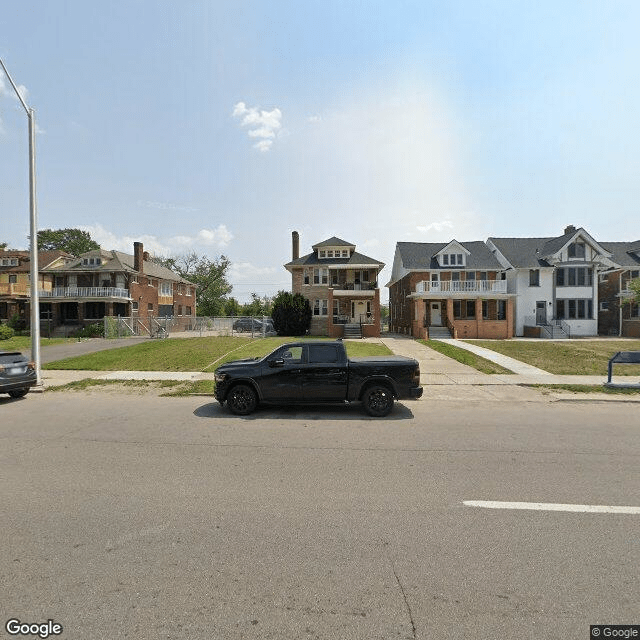
Williams Community Living in Detroit, MI

Save
Williams Community Living

Williams Community Living in Detroit, MI

2662 West Grand Boulevard, Detroit, MI 48208

For more information about senior living options: (844) 490-3973

5 from 3 reviews
5 stars
3
4 stars
0
3 stars
0
2 stars
0
1 stars
0

Assisted Living Board and Care Home Respite Care

Overall Review of Williams Community Living

Pros

  • pro The business is family-owned and operated.
  • pro The staff are professionally trained.
  • pro It cares for 12 developmentally disabled adult men.
  • pro It offers a comfortable and clean home setting.
  • pro Care is provided 24 hours a day.

Review

Williams Community Living in Detroit is best suited for families seeking a small, family-owned, home-like environment to care for adult men with developmental disabilities who require around-the-clock supervision but do not need hospital-level medical services. The setting is deliberately intimate, housing 12 residents in a house-style arrangement rather than a large campus. The emphasis is on daily life conducted in a comfortable, clean home atmosphere, with staff available 24 hours a day to provide continuous supervision and support. This combination favors families that value stable routines, direct personal attention, and a sense of family stewardship over care.

Those considering alternatives should note that this option may not fit every scenario. Families requiring co-ed housing or services for women, or those needing higher-acuity medical oversight, may want to look at facilities with broader medical staffing or specialized therapies. For residents who thrive on a wider array of structured activities, robust on-site programming, or access to extensive allied health services, larger providers or programs offering more expansive clinical resources could be a better match. Additionally, families seeking highly formalized care plans with nationally standardized programs may find a smaller, family-run setting less aligned with those expectations.

The core strengths flow directly from the operational model. The family ownership suggests accountable leadership and a hands-on approach to resident welfare, with decisions often made closer to the day-to-day needs of residents. Professionally trained staff provide a level of professional oversight while still delivering a warm, home-based feel that many guardians find reassuring. A 12-resident capacity supports a tight-knit environment where staff can know each resident well, respond quickly to issues, and maintain consistent routines. The 24/7 care model eliminates long gaps in supervision, a critical factor for individuals who require constant monitoring and immediate assistance.

Those strengths offset several notable limitations inherent in a small, single-gender setting. The intimate home environment generally means more personalized attention, less institutional rigidity, and easier communication with caregivers and family. Yet the limited size and gender focus can constrain privacy options and the breadth of social experiences. There may be fewer specialized therapy options, fewer on-site medical resources, and less diversity in resident backgrounds, which can influence daily activities and peer interactions. For families with higher expectations for medical complexity or a broader continuum of care, these limits should be weighed carefully.

Practical considerations also come into play. The Detroit location offers proximity and potential convenience for local families, but it's wise to assess neighborhood accessibility, transportation options for outings, and the availability of off-site services when needed. Staffing patterns - while described as professionally trained and around the clock - benefit from concrete details: exact staff-to-resident ratios, qualifications of direct caregivers, and the availability of on-call clinicians for emergencies. Prospective families should seek clarity on daily schedules, activity calendars, and how transitions between activities are managed to ensure alignment with each resident's preferences and needs.

Ultimately, Williams Community Living stands out for its commitment to a small, family-centered, home-like care model that delivers sustained supervision and a personalized touch. It is a strong fit for families prioritizing consistent staffing, a comfortable living environment, and the reassurance of around-the-clock oversight for adult men with developmental disabilities. Prospective decision-makers should prepare targeted questions: what is the exact staff-to-resident ratio on all shifts, what medical and therapeutic services are available on-site or by referral, how are behavior and communication plans developed and updated, and how does the facility handle transitions between activities and meals? With clear expectations and a focused visit, families can determine whether this intimate setting aligns with the resident's goals, safety, and quality-of-life priorities, or whether a more expansive program would better serve those objectives.

Features

Housing

  • 16 resident community capacity 16 resident community capacity

Types of Care

  • Assisted Living Assisted LivingAssisted living facilities provide crucial support and care for seniors who may need help with daily tasks such as medication management, bathing, and meal preparation. These communities offer a safe and comfortable environment where seniors can maintain their independence while receiving the assistance they need to thrive in their golden years.
  • Board and Care Home Board and Care HomeBoard and care homes provide a smaller, more intimate setting for seniors who require assistance with daily tasks but do not need the level of care offered by a nursing home. They offer personalized care, meals, and social activities in a homelike environment, ensuring that seniors receive individualized attention and support in their golden years.
  • Respite Care Respite CareRespite care provides temporary relief for caregivers, allowing them to recharge and attend to their own needs. It also gives seniors the opportunity to socialize, receive professional care, and experience a change of scenery, promoting overall well-being and reducing feelings of isolation.

Amenities

  • Activities on-site Activities on-siteActivities on-site are important for seniors because they provide opportunities for socialization, mental stimulation, physical activity, and overall well-being. Engaging in activities can help seniors stay active, maintain their independence, and improve their quality of life.
  • Cable or satellite TV Cable or satellite TVCable or satellite TV is important for seniors because it provides entertainment, news, and companionship, helping to combat loneliness and boredom. It also offers a wide range of programming options tailored to different interests and preferences.
  • Devotional services off-site Devotional services off-siteDevotional services off-site are important for seniors as they provide spiritual nourishment, social engagement, and a sense of community outside of the senior living facility. This can enhance overall well-being and help combat feelings of isolation and loneliness often experienced by older adults.
  • Dining room Dining roomDining rooms are important for seniors as they provide a space for socialization, connection, and nutritious meals. They offer opportunities for residents to bond over shared meals, foster a sense of community, and promote healthy eating habits. Dining rooms also ensure that seniors have access to well-balanced meals tailored to their dietary needs and preferences.
  • Fully furnished Fully furnishedFully furnished senior living communities are important for seniors because they provide convenience, comfort, and a hassle-free moving experience. Seniors can easily settle into their new living space without the stress of having to buy and move furniture. This allows them to focus on enjoying their new home and community.
  • Garden GardenGardens are important for seniors as they provide a peaceful and therapeutic environment for relaxation, physical activity, and socialization. Being in nature has been shown to reduce stress, improve mood, and promote overall well-being. Gardens also offer opportunities for seniors to engage in gardening activities, which can improve mobility, flexibility, and cognitive function. Additionally, gardens create a sense of community and connection with others who share a passion for plants and outdoor spaces.
  • Housekeeping services Housekeeping servicesHousekeeping services are important for seniors because they help maintain a clean and safe living environment, promote independence, and reduce the risk of accidents or illnesses. Additionally, having assistance with household chores can alleviate physical strain and allow seniors to focus on other aspects of their well-being.
  • Indoor common areas Indoor common areasIndoor common areas are crucial for seniors as they provide a space for socialization, recreation, and community engagement, promoting overall well-being and reducing feelings of isolation and loneliness.
  • Move-in coordination Move-in coordinationMove-in coordination is important for seniors because it helps ease the transition into their new living environment. It ensures that all logistics, such as packing, organizing movers, and setting up utilities are taken care of, allowing seniors to focus on settling in and adjusting to their new home. Having a smooth move-in process can alleviate stress and anxiety, making the transition smoother and more enjoyable for seniors.
  • Outdoor space Outdoor spaceOutdoor spaces are important for seniors as they provide opportunities for physical activity, social interaction, exposure to natural light and fresh air, and a sense of connection to nature. Having access to outdoor spaces can improve overall well-being and quality of life for older adults living in senior communities.
  • Telephone TelephoneTelephones are important for seniors as they provide a lifeline for communication with loved ones, emergency services, and healthcare providers. They offer a sense of security and independence, enabling seniors to stay connected and access assistance when needed.
  • Wi-Fi/high-speed internet available Wi-Fi/high-speed internet availableWi-Fi/high-speed internet is important for seniors to stay connected with loved ones, access online resources, and participate in virtual activities to combat feelings of loneliness and isolation. It also allows them to easily manage healthcare needs, access entertainment, and engage in lifelong learning opportunities.

Transportation

  • Detroit Metropolitan-Wayne County (17 miles away) Detroit Metropolitan-Wayne County (17 miles away)

Care Services

  • 24-hour supervision 24-hour supervision24-hour supervision is important for seniors to ensure their safety, well-being, and access to immediate assistance in case of emergencies or health issues. This constant support provides peace of mind for both seniors and their loved ones, allowing them to age in place with dignity and security.
  • Activities of daily living assistance Activities of daily living assistanceActivities of daily living assistance are important for seniors because they provide essential support with tasks such as eating, bathing, dressing, and mobility. This assistance helps seniors maintain their independence, dignity, and overall quality of life as they age.
  • Ambulatory care Ambulatory care"Ambulatory care services provide essential medical support and treatment to seniors without requiring hospitalization, allowing them to maintain their independence and quality of life while managing chronic conditions or receiving routine medical care."
  • Assistance with bathing Assistance with bathingAssistance with bathing is crucial for seniors as it helps maintain personal hygiene, prevents infections, and ensures their overall well-being and comfort. It also provides a sense of dignity and independence for seniors who may struggle with this task on their own.
  • Assistance with dressing Assistance with dressingAssistance with dressing is important for seniors because it helps maintain their independence, promotes personal hygiene, prevents accidents and injuries, and improves overall quality of life. This service ensures that seniors can continue to dress comfortably and confidently, despite any physical limitations they may have.
  • Assistance with transfers Assistance with transfersAssistance with transfers is crucial for seniors as it helps prevent falls and injuries, maintains their independence, and ensures they can safely navigate their living environment. It also provides peace of mind for both seniors and their loved ones.
  • Coordination with health care providers Coordination with health care providersCoordination with health care providers is crucial for seniors to ensure proper medical care, medication management, and overall well-being. This collaboration helps prevent overlapping treatments, track progress more effectively, and provide comprehensive support tailored to individual needs.
  • Diabetes diet Diabetes dietA diabetes diet is crucial for seniors as it helps manage blood sugar levels, reduce risks of complications, and improve overall health and well-being. By following a balanced and nutritious diet tailored to their specific needs, seniors can better control their diabetes and enhance their quality of life.
  • Diabetic care Diabetic careDiabetic care is crucial for seniors as they are more susceptible to developing diabetes due to aging and other health conditions. Proper management of diabetes can help prevent complications such as heart disease, vision loss, and nerve damage, improving the overall quality of life for seniors in senior living communities.
  • Meal preparation and service Meal preparation and serviceMeal preparation and service are crucial for seniors as they may have limited mobility or energy to cook nutritious meals. Having access to healthy and convenient food options can ensure they are getting the proper nutrition needed to maintain their overall health and well-being.
  • Medication management Medication managementMedication management is crucial for seniors to ensure they are taking the right medications at the correct dosages and times. This helps prevent adverse drug interactions, reduces the risk of medication errors, and promotes overall health and well-being. Proactive management also allows for adjustments as needed based on changing health conditions or new prescriptions.
  • Special dietary restrictions Special dietary restrictionsSpecial dietary restrictions are important for seniors because age-related changes in metabolism and health conditions can make it difficult for their bodies to process certain foods. By following a diet tailored to their specific needs, seniors can maintain their overall health and well-being, manage chronic conditions, and reduce the risk of complications such as malnutrition or food interactions with medications.
  • Transportation arrangement (medical) Transportation arrangement (medical)Transportation arrangements for medical purposes are essential for seniors as they may have difficulty driving themselves to appointments or accessing public transportation. Having reliable and safe transportation options ensures that seniors can receive timely medical care and maintain their health and well-being.
  • Transportation to doctors appointments Transportation to doctors appointmentsTransportation to doctors' appointments is crucial for seniors as it ensures they have access to necessary medical care and support for their health needs. Without reliable transportation, seniors may struggle to attend important appointments, leading to potential delays in treatment and health complications. Providing transportation services helps seniors maintain their overall well-being and quality of life.

Dining

  • Diabetes diet Diabetes dietA diabetes diet is crucial for seniors as it helps manage blood sugar levels, reduce risks of complications, and improve overall health and well-being. By following a balanced and nutritious diet tailored to their specific needs, seniors can better control their diabetes and enhance their quality of life.
  • Meals provided Meals provided"Meals provided" are crucial for seniors in assisted living communities as it ensures they have access to nutritious, balanced meals without the stress of meal planning and preparation. This can help promote overall health and well-being for seniors who may have limited mobility or cognitive abilities.
  • Special dietary restrictions Special dietary restrictionsSpecial dietary restrictions are important for seniors because age-related changes in metabolism and health conditions can make it difficult for their bodies to process certain foods. By following a diet tailored to their specific needs, seniors can maintain their overall health and well-being, manage chronic conditions, and reduce the risk of complications such as malnutrition or food interactions with medications.

Activities

  • Activities on-site Activities on-siteActivities on-site are important for seniors because they provide opportunities for socialization, mental stimulation, physical activity, and overall well-being. Engaging in activities can help seniors stay active, maintain their independence, and improve their quality of life.
  • Community-sponsored activities Community-sponsored activitiesCommunity-sponsored activities are important for seniors as they provide opportunities for social interaction, mental stimulation, and physical activity. These activities can help improve overall well-being, combat loneliness and isolation, and promote a sense of belonging and purpose among older adults.
  • Devotional activities offsite Devotional activities offsiteDevotional activities offsite are important for seniors because they provide social engagement, spiritual growth, and a sense of community outside of their living environment. This can improve overall well-being, mental health, and combat feelings of isolation or loneliness.
  • Scheduled daily activities Scheduled daily activitiesScheduled daily activities are important for seniors because they provide structure, socialization, mental stimulation, and physical activity. Engaging in regular activities can improve overall well-being and quality of life for seniors living in a community setting.

Description

Williams Community Living is an exceptional assisted living community located in the vibrant city of Detroit, MI. We offer a range of care services, including board and care home options as well as respite care for those needing temporary support.

Our community features a variety of amenities to ensure the comfort and convenience of our residents. Each room is fully furnished and includes cable or satellite TV, telephone, and Wi-Fi/high-speed internet access. Our indoor common areas provide spaces for socializing and relaxation, while our beautiful garden and outdoor space offer opportunities for enjoying fresh air and nature. Housekeeping services are provided to maintain a clean and tidy environment.

We understand the importance of maintaining one's spiritual well-being, which is why we offer devotional services off-site. Additionally, our dining room provides nutritious meals in accordance with special dietary restrictions if needed. Our dedicated staff assists with activities of daily living, such as bathing, dressing, transfers, medication management, meal preparation, and coordination with healthcare providers.

At Williams Community Living, we prioritize the overall well-being of our residents by organizing scheduled daily activities and community-sponsored events. Off-site excursions are arranged to foster social engagement and exploration within the local area. With 2 cafes nearby, 4 parks nearby for outdoor recreation, 10 pharmacies for convenient access to medications, 3 physicians in close proximity for medical needs, 27 restaurants offering various cuisines nearby for dining options, 2 places of worship for spiritual fulfillment, and 9 hospitals ensuring quick access to medical care if necessary, our community guarantees that all essential needs are met efficiently.

Join us at Williams Community Living where we strive to provide compassionate care in a warm and welcoming environment that truly feels like home.

Nearby Places of Interest

This part of Detroit, Michigan, offers a range of amenities and services that would cater well to seniors looking for a convenient and comfortable living environment. With several pharmacies in close proximity, accessing medications and healthcare products is easily manageable. The presence of reputable hospitals and physicians' offices nearby ensures that medical care is readily available. Additionally, the variety of restaurants, cafes, places of worship, and parks provide opportunities for socializing, recreation, and spiritual fulfillment. The diverse array of options in this area makes it a desirable location for seniors seeking a vibrant community with access to essential services.

Pharmacies

  • CVS Pharmacy (0.1 miles)
  • CVS Pharmacy (1.5 miles)
  • Rite Aid (1.5 miles)
  • CVS Pharmacy (3 miles)
  • CVS Pharmacy (3.4 miles)
  • CVS Pharmacy (4 miles)
  • Rite Aid (4.2 miles)

Hospitals

  • Hfhs - Main - F4 (0.3 miles)
  • Henry Ford Hospital (0.3 miles)
  • Henry Ford Health System (0.3 miles)
  • Hudson-Webber Cancer Research (1.8 miles)
  • Barbara Ann Karmanos Cancer Institute (1.8 miles)
  • Harper University Hospital (1.8 miles)
  • Detroit Receiving Hospital (1.9 miles)

Restaurants

  • Woodbridge Pub (0.8 miles)
  • Z's Villa (0.9 miles)
  • McDonald's (1.6 miles)
  • Subway (1.9 miles)
  • Founders Brewing Co. (2 miles)
  • Second Best Detroit (2.1 miles)
  • McDonald's (2.3 miles)

Physicians

  • University Health Center (1.9 miles)
  • Childrens Hospital Of Michigan Specialty Center - Detroit (2 miles)
  • Windsor Regional Hospital (4.8 miles)
  • Michigan Eyecare Institute (5.5 miles)

Cafes

  • The Bean Bar (3.2 miles)
  • Qahwah House (4.9 miles)
  • Ferndale Project (6.6 miles)
  • Tim Hortons (8 miles)

Places of Worship

  • St John's Presbyterian Church (3.4 miles)
  • St Charles Church (4.5 miles)
  • Masjid Salam (5.5 miles)

Parks

  • William G. Milliken State Park and Harbor (3.8 miles)
  • Valade Park (4 miles)
  • Palmer Park (4.2 miles)
  • Hemlock Park (4.9 miles)
  • Belle Isle Park (5.3 miles)
  • Scout Park (6.6 miles)
  • Harding Park (7.7 miles)

Frequently Asked Questions

Where is Williams Community Living?

Nearby Communities

  • Boulevard Temple Care Center

    Boulevard Temple Care Center

    Detroit, MI

    3.6 from 105 reviews
     

    pro Clean, comfortable rooms with good dining and attentive staff on several units.

  • Estella Bridges Manor II

    Estella Bridges Manor II

    Detroit, MI


    pro Excellent access to healthcare and daily amenities nearby.

  • Turner Segue Home

    Turner Segue Home

    Detroit, MI


    pro Intimate, fully furnished setting with comprehensive care (ADL support, medication management) and medical transportation.

  • Estate Home

    Estate Home

    Detroit, MI


    pro Small, intimate estate-style community with 24/7 supervision and comprehensive ADL support.

  • Crites Adult Foster Care Home 2

    Crites Adult Foster Care Home 2

    Detroit, MI


    pro Small, intimate setting (6 residents) with comprehensive care: 24-hour supervision, ADL assistance, medication management, meals, and transportation.

  • La Salle Nursing Home

    La Salle Nursing Home

    Detroit, MI

    3.6 from 100 reviews
     

    pro Comprehensive skilled nursing care in a comfortable, convenient setting.

  • Himelhoch Apartments

    Himelhoch Apartments

    Detroit, MI

    4 from 3 reviews
     

    pro Responsive staff, social space, and resident independence

  • Kamper Stevens Apartments

    Kamper Stevens Apartments

    Detroit, MI

    3.7 from 10 reviews
     

    pro Private apartments with full kitchens and baths, handicap accessible, plus indoor common areas.

  • Alpha Manor Nursing Home

    Alpha Manor Nursing Home

    Detroit, MI

    3.3 from 10 reviews
     

    pro Proactive staff addressing issues and available therapy services; family involvement is encouraged.

Related Resources

  • assisted living vs skilled nursingExploring the Contrasts Between Assisted Living and Skilled Nursing

    The article compares assisted living and skilled nursing facilities, detailing their differing levels of assistance, medical support, cost structures, and day-to-day experiences. It emphasizes that assisted living is for those needing help with daily activities while maintaining independence, whereas skilled nursing facilities provide intensive medical care with 24-hour staff supervision.

  • when to move from assisted living to nursing home8 Key Indicators That Suggest It May Be Time to Transition from Assisted Living to Skilled Nursing Care

    The transition from assisted living to skilled nursing care is often prompted by complex medical needs that assisted living cannot meet, with key indicators including frequent health declines, increased falls, severe memory issues, and caregiver burnout. Families should recognize these signs early to discuss options with healthcare providers and prepare for the emotional and logistical aspects of moving to a facility that offers comprehensive medical support.

  • active senior livingVibrant Senior Living: A Comprehensive Guide for Active Older Adults

    Vibrant Senior Living emphasizes active senior living communities that promote independence and engagement through diverse amenities and activities, fostering wellness and social interaction among older adults. These communities range from independent to assisted living, with a focus on personal growth, family involvement, financial planning, and leveraging technology to enhance residents' experiences.