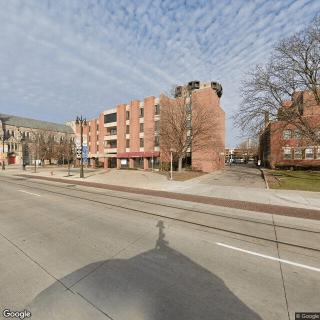
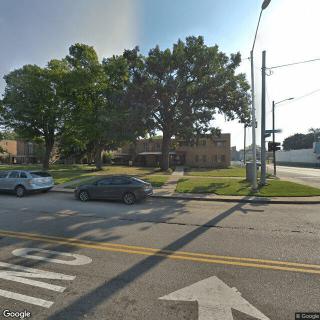
Hancock Residential Center in Detroit, MI

801 West Willis, Detroit, MI 48201

For more information about senior living options: (844) 490-3973

4.7 from 3 reviews
5 stars
2
4 stars
1
3 stars
0
2 stars
0
1 stars
0

Assisted Living

What level of care are you interested in?

Assisted Living

Memory Care

Independent Living

Skilled Nursing Facility

Continuing Care Retirement Community (CCRC)CCRC

Other


Request a tour at Hancock Residential Center

    Overall Review of Hancock Residential Center

    Pros

    • pro The place is amazing.
    • pro It is a beautiful home for loved ones with special needs.
    • pro The staff care for all tenants as if they were family.
    • pro Lifelong friendships are built there, and everyone can feel a sense of community and belonging.

    Cons

    • pro There are no negative statements in the review.

    Review

    Hancock Residential Center in Detroit is best suited for families seeking a warm, home-like setting for loved ones with special needs who prize daily belonging and genuine relationships. Reviews describe a beautiful, intimate house where staff treat residents like family, and where lifelong friendships form within a true sense of community. This is not a clinical fortress; it's a space that emphasizes comfort, predictable routines, and personal attention. For residents who respond to caregivers who know preferences, habits, and stories, Hancock offers a level of immediacy and warmth that larger facilities often struggle to replicate. In short, it is a place where people feel seen, valued, and underpinned by steady, human connection.

    Those who should consider alternatives are families prioritizing formal medical oversight or highly structured programming. The available information highlights warmth and belonging but gives little detail about on-site nursing coverage, clinical care planning, or dementia-specific protocols. If daily medical management, rapid access to specialists, or a clearly defined care continuum is non-negotiable, other communities with explicit clinical ecosystems will likely serve better. Hancock works brilliantly for emotional well-being and social connection, but the trade-off is less certainty around medical intensity and formal care structures.

    Key advantages center on the human element: staff who treat residents as family, a robust sense of community, and opportunities for enduring friendships. The home-like environment supports emotional stability, reduces isolation, and helps residents settle into daily life with less friction. Those strengths offset the absence of overt clinical scaffolding for families who measure success by mood, engagement, and continuity of routine. Yet the lack of transparent information about staffing ratios, care oversight, and activity breadth means potential gaps in structure that should be clarified before moving in.

    Practical due-diligence matters. Prospective families should visit at different times to observe staff interactions and resident responses, asking to see sample care plans and daily schedules. Inquiries about staff-to-resident ratios, turnover, and training help gauge consistency of care. Confirm what transportation, appointment support, and emergency medical arrangements look like in practice. Finally, assess whether the physical setting - layout, lighting, noise levels - supports the social connections that residents rely on. A palpable sense of belonging in tours is a strong signal Hancock delivers what families crave.

    Compare Hancock against options with heavier clinical emphasis or dementia-focused design. If a setting promises rigorous medical oversight, structured cognitive programming, or specialized care units, those should be weighed against the Hancock experience. For families whose primary goal is ongoing companionship, familiar routines, and a nourishing, collaborative living environment, Hancock offers a distinctive value that can translate into fewer emotional disruptions during a transition.

    Verdict: Hancock Residential Center is a compelling fit for residents who thrive on a nurturing, family-like atmosphere and a strong community ethic. The main caveat is the unknown degree of medical intensity and formal programming; those needs should steer families toward facilities with clear clinical specifications. A decisive path forward involves scheduling thorough tours, requesting care-planning samples, and assessing how the setting feels during typical days. When fit is right, Hancock delivers a sense of home and belonging that can make the care journey more manageable and emotionally sustainable for both residents and families.

    Features

    Housing

    • 20 resident community capacity 20 resident community capacity

    Types of Care

    • Assisted Living Assisted LivingAssisted living facilities provide crucial support and care for seniors who may need help with daily tasks such as medication management, bathing, and meal preparation. These communities offer a safe and comfortable environment where seniors can maintain their independence while receiving the assistance they need to thrive in their golden years.

    Amenities

    • Beauty salon Beauty salonBeauty salons are important for seniors because they provide a space for them to feel pampered, socialize, and maintain their personal grooming and hygiene. Regular visits to a beauty salon can help boost seniors' self-esteem and overall well-being.
    • Cable or satellite TV Cable or satellite TVCable or satellite TV is important for seniors because it provides entertainment, news, and companionship, helping to combat loneliness and boredom. It also offers a wide range of programming options tailored to different interests and preferences.
    • Dining room Dining roomDining rooms are important for seniors as they provide a space for socialization, connection, and nutritious meals. They offer opportunities for residents to bond over shared meals, foster a sense of community, and promote healthy eating habits. Dining rooms also ensure that seniors have access to well-balanced meals tailored to their dietary needs and preferences.
    • Fully furnished Fully furnishedFully furnished senior living communities are important for seniors because they provide convenience, comfort, and a hassle-free moving experience. Seniors can easily settle into their new living space without the stress of having to buy and move furniture. This allows them to focus on enjoying their new home and community.
    • Garden GardenGardens are important for seniors as they provide a peaceful and therapeutic environment for relaxation, physical activity, and socialization. Being in nature has been shown to reduce stress, improve mood, and promote overall well-being. Gardens also offer opportunities for seniors to engage in gardening activities, which can improve mobility, flexibility, and cognitive function. Additionally, gardens create a sense of community and connection with others who share a passion for plants and outdoor spaces.
    • Housekeeping services Housekeeping servicesHousekeeping services are important for seniors because they help maintain a clean and safe living environment, promote independence, and reduce the risk of accidents or illnesses. Additionally, having assistance with household chores can alleviate physical strain and allow seniors to focus on other aspects of their well-being.
    • Kitchenette KitchenetteKitchenettes are important for seniors living in senior living communities because they provide the convenience and independence of being able to prepare simple meals and snacks in the comfort of their own living space. This can help promote a sense of autonomy and well-being for seniors, allowing them to maintain some level of control over their dietary choices and daily routines.
    • Move-in coordination Move-in coordinationMove-in coordination is important for seniors because it helps ease the transition into their new living environment. It ensures that all logistics, such as packing, organizing movers, and setting up utilities are taken care of, allowing seniors to focus on settling in and adjusting to their new home. Having a smooth move-in process can alleviate stress and anxiety, making the transition smoother and more enjoyable for seniors.
    • Outdoor space Outdoor spaceOutdoor spaces are important for seniors as they provide opportunities for physical activity, social interaction, exposure to natural light and fresh air, and a sense of connection to nature. Having access to outdoor spaces can improve overall well-being and quality of life for older adults living in senior communities.
    • Telephone TelephoneTelephones are important for seniors as they provide a lifeline for communication with loved ones, emergency services, and healthcare providers. They offer a sense of security and independence, enabling seniors to stay connected and access assistance when needed.
    • Wi-Fi/high-speed internet available Wi-Fi/high-speed internet availableWi-Fi/high-speed internet is important for seniors to stay connected with loved ones, access online resources, and participate in virtual activities to combat feelings of loneliness and isolation. It also allows them to easily manage healthcare needs, access entertainment, and engage in lifelong learning opportunities.

    Transportation

    • Detroit Metropolitan-Wayne County (17 miles away) Detroit Metropolitan-Wayne County (17 miles away)

    Care Services

    • 24-hour call system 24-hour call system24-hour call systems are important for seniors because they provide peace of mind and immediate assistance in case of emergencies. This technology ensures that help is always available, promoting safety and security for elderly individuals living alone or in assisted living facilities.
    • 24-hour supervision 24-hour supervision24-hour supervision is important for seniors to ensure their safety, well-being, and access to immediate assistance in case of emergencies or health issues. This constant support provides peace of mind for both seniors and their loved ones, allowing them to age in place with dignity and security.
    • Activities of daily living assistance Activities of daily living assistanceActivities of daily living assistance are important for seniors because they provide essential support with tasks such as eating, bathing, dressing, and mobility. This assistance helps seniors maintain their independence, dignity, and overall quality of life as they age.
    • Assistance with bathing Assistance with bathingAssistance with bathing is crucial for seniors as it helps maintain personal hygiene, prevents infections, and ensures their overall well-being and comfort. It also provides a sense of dignity and independence for seniors who may struggle with this task on their own.
    • Assistance with dressing Assistance with dressingAssistance with dressing is important for seniors because it helps maintain their independence, promotes personal hygiene, prevents accidents and injuries, and improves overall quality of life. This service ensures that seniors can continue to dress comfortably and confidently, despite any physical limitations they may have.
    • Assistance with transfers Assistance with transfersAssistance with transfers is crucial for seniors as it helps prevent falls and injuries, maintains their independence, and ensures they can safely navigate their living environment. It also provides peace of mind for both seniors and their loved ones.
    • Coordination with health care providers Coordination with health care providersCoordination with health care providers is crucial for seniors to ensure proper medical care, medication management, and overall well-being. This collaboration helps prevent overlapping treatments, track progress more effectively, and provide comprehensive support tailored to individual needs.
    • Diabetes diet Diabetes dietA diabetes diet is crucial for seniors as it helps manage blood sugar levels, reduce risks of complications, and improve overall health and well-being. By following a balanced and nutritious diet tailored to their specific needs, seniors can better control their diabetes and enhance their quality of life.
    • Meal preparation and service Meal preparation and serviceMeal preparation and service are crucial for seniors as they may have limited mobility or energy to cook nutritious meals. Having access to healthy and convenient food options can ensure they are getting the proper nutrition needed to maintain their overall health and well-being.
    • Medication management Medication managementMedication management is crucial for seniors to ensure they are taking the right medications at the correct dosages and times. This helps prevent adverse drug interactions, reduces the risk of medication errors, and promotes overall health and well-being. Proactive management also allows for adjustments as needed based on changing health conditions or new prescriptions.
    • Mental wellness program Mental wellness programMental wellness programs are essential for seniors as they promote cognitive stimulation, emotional support, and social engagement. These programs help prevent isolation, depression, and cognitive decline, ultimately enhancing the overall quality of life for older adults.
    • Special dietary restrictions Special dietary restrictionsSpecial dietary restrictions are important for seniors because age-related changes in metabolism and health conditions can make it difficult for their bodies to process certain foods. By following a diet tailored to their specific needs, seniors can maintain their overall health and well-being, manage chronic conditions, and reduce the risk of complications such as malnutrition or food interactions with medications.
    • Transportation arrangement (medical) Transportation arrangement (medical)Transportation arrangements for medical purposes are essential for seniors as they may have difficulty driving themselves to appointments or accessing public transportation. Having reliable and safe transportation options ensures that seniors can receive timely medical care and maintain their health and well-being.
    • Transportation to doctors appointments Transportation to doctors appointmentsTransportation to doctors' appointments is crucial for seniors as it ensures they have access to necessary medical care and support for their health needs. Without reliable transportation, seniors may struggle to attend important appointments, leading to potential delays in treatment and health complications. Providing transportation services helps seniors maintain their overall well-being and quality of life.

    Dining

    • Diabetes diet Diabetes dietA diabetes diet is crucial for seniors as it helps manage blood sugar levels, reduce risks of complications, and improve overall health and well-being. By following a balanced and nutritious diet tailored to their specific needs, seniors can better control their diabetes and enhance their quality of life.
    • Special dietary restrictions Special dietary restrictionsSpecial dietary restrictions are important for seniors because age-related changes in metabolism and health conditions can make it difficult for their bodies to process certain foods. By following a diet tailored to their specific needs, seniors can maintain their overall health and well-being, manage chronic conditions, and reduce the risk of complications such as malnutrition or food interactions with medications.

    Activities

    • Community-sponsored activities Community-sponsored activitiesCommunity-sponsored activities are important for seniors as they provide opportunities for social interaction, mental stimulation, and physical activity. These activities can help improve overall well-being, combat loneliness and isolation, and promote a sense of belonging and purpose among older adults.
    • Resident-run activities Resident-run activitiesResident-run activities are important for seniors as they encourage social interaction, creativity, and a sense of autonomy. These activities empower seniors to stay engaged and active in their community while fostering meaningful connections with their peers.
    • Scheduled daily activities Scheduled daily activitiesScheduled daily activities are important for seniors because they provide structure, socialization, mental stimulation, and physical activity. Engaging in regular activities can improve overall well-being and quality of life for seniors living in a community setting.

    Description

    Hancock Residential Center in Detroit, MI is a fully furnished assisted living community that offers a range of amenities and care services to meet the needs of its residents. The center features cable or satellite TV, Wi-Fi/high-speed internet, and telephone services to keep residents connected and entertained. There is also a dining room where nutritious meals are prepared and served, along with kitchenette facilities for those who prefer to prepare their own meals.

    Residents can enjoy the outdoor space and garden areas, providing a peaceful environment for relaxation or socializing with other residents. Housekeeping services ensure that the living spaces are clean and well-maintained at all times.

    The dedicated staff at Hancock Residential Center provides 24-hour supervision and assistance with activities of daily living such as bathing, dressing, and transfers. They also coordinate with healthcare providers to ensure that residents receive appropriate medical care. Medication management is available for those who require it.

    The center offers special dietary restrictions for residents who follow diabetes diets or have other specific dietary needs. Meal preparation and service are included in the care services provided.

    To promote mental wellness, there is a mental wellness program available to residents. This program aims to enhance cognitive abilities and emotional well-being through various activities.

    Transportation arrangements can be made for medical appointments, ensuring that residents have access to necessary healthcare services when needed. Additionally, there are numerous options nearby including cafes, parks, pharmacies, physicians' offices, restaurants, places of worship, and hospitals.

    Overall, Hancock Residential Center provides a comfortable and supportive environment where seniors can receive personalized care while enjoying an array of amenities and convenient access to nearby amenities.

    Nearby Places of Interest

    Restaurants

    • McDonald's (0.4 miles)
    • Founders Brewing Co. (0.5 miles)
    • Second Best Detroit (0.7 miles)
    • Woodbridge Pub (0.7 miles)
    • Subway (0.8 miles)
    • Bucharest Grill (1 miles)
    • Bookies Bar & Grille (1 miles)

    Pharmacies

    • Rite Aid (0.5 miles)
    • CVS Pharmacy (0.8 miles)
    • CVS Pharmacy (1.5 miles)
    • CVS Pharmacy (1.5 miles)
    • CVS Pharmacy (2.9 miles)
    • Walgreens (3 miles)
    • Rite Aid (3.9 miles)

    Hospitals

    • Hudson-Webber Cancer Research (0.6 miles)
    • Harper University Hospital (0.6 miles)
    • Barbara Ann Karmanos Cancer Institute (0.7 miles)
    • DMC Heart Hospital (0.7 miles)
    • Detroit Receiving Hospital (0.8 miles)
    • Hfhs - Main - F4 (1.5 miles)
    • Henry Ford Hospital (1.6 miles)

    Physicians

    • University Health Center (0.7 miles)
    • Childrens Hospital Of Michigan Specialty Center - Detroit (0.9 miles)
    • Windsor Regional Hospital (3.3 miles)
    • Michigan Eyecare Institute (6 miles)
    • Lasalle Community Health Care Centre (8.5 miles)
    • Park medical center (9 miles)

    Cafes

    • The Bean Bar (1.7 miles)
    • Qahwah House (5.6 miles)
    • Tim Hortons (6.5 miles)
    • Tim Hortons (8 miles)
    • Ferndale Project (8 miles)

    Places of Worship

    • St John's Presbyterian Church (2.1 miles)
    • St Charles Church (3.4 miles)
    • Masjid Salam (5.9 miles)
    • Heritage Park Alliance Church (8.7 miles)

    Parks

    • William G. Milliken State Park and Harbor (2.4 miles)
    • Valade Park (2.7 miles)
    • Belle Isle Park (4.1 miles)
    • Hemlock Park (5.5 miles)
    • Palmer Park (5.6 miles)
    • Matthew C Patterson Park (7 miles)
    • Windmill Pointe Park (7.1 miles)

    Frequently Asked Questions

    Where is Hancock Residential Center?

    Nearby Communities

    • Hamilton Adult Foster Care Home 1

      Hamilton Adult Foster Care Home 1

      Detroit, MI

      4.8 from 5 reviews
       

      pro Small 6-bed setting with 24-hour supervision, medication management, and furnished rooms.

    • Hamilton Adult Foster Care Home 2

      Hamilton Adult Foster Care Home 2

      Detroit, MI

      4.8 from 5 reviews
       

      pro Small, personalized setting with 24-hour supervision and comprehensive daily care.

    • Hamilton Afc Home 3

      Hamilton Afc Home 3

      Detroit, MI


      pro Personalized care with ADL support, nutritious meals, housekeeping, and health coordination.

    • Great Lakes Ctr For Ind Living

      Great Lakes Ctr For Ind Living

      Detroit, MI

       
      $2,670 to $3,471 / month

      pro Competitive pricing relative to Wayne County and Michigan, with easy access to cafes, parks, pharmacies, physicians, places of worship, and hospitals.

    • Commonwealth Home

      Commonwealth Home

      Detroit, MI

       
      $1,765 to $3,415 / month

      pro Fully furnished units with meals, daily activities, medical support, and transportation.

    • Luella Hannan Memorial Fndtn

      Luella Hannan Memorial Fndtn

      Detroit, MI


      pro Convenient location with extensive nearby dining, parks, and healthcare.

    • Himelhoch Apartments

      Himelhoch Apartments

      Detroit, MI

      4 from 3 reviews
       

      pro Responsive staff, social space, and resident independence

    • Kamper Stevens Apartments

      Kamper Stevens Apartments

      Detroit, MI

      3.7 from 10 reviews
       

      pro Private apartments with full kitchens and baths, handicap accessible, plus indoor common areas.

    • Alpha Manor Nursing Home

      Alpha Manor Nursing Home

      Detroit, MI

      3.3 from 10 reviews
       

      pro Proactive staff addressing issues and available therapy services; family involvement is encouraged.

    Related Resources

    • assisted living insuranceAssisted Living Expenses and Long-Term Care Insurance: A Comprehensive Exploration

      The article discusses assisted living expenses, the importance of long-term care insurance in covering these costs, and various financing options, highlighting the need for careful policy review and early planning to address potential needs. It also clarifies common misconceptions about Medicare and private health insurance limitations regarding long-term care coverage.

    • how to pay for assisted livingSecuring Financial Support for Assisted Living: A Comprehensive Overview

      Assisted living facilities offer crucial support for older adults needing help with daily activities but come with varying and significant costs, which can be financed through personal savings, government assistance programs, long-term care insurance, and home equity options. Professional guidance from experts can aid families in navigating these financial complexities to establish a sustainable budgeting approach for assisted living services.

    • assisted living for seniors on social securitySocial Security Benefits and Assisted Living: Navigating Options Across the U.S.

      Assisted living costs often exceed Social Security benefits, necessitating a combination of funding sources like state aid and Medicaid. Understanding the interaction between Social Security programs and available financial support is essential for affording such care.


    Get Pricing Ask A Question Schedule A Tour Contact Senior Advisor