
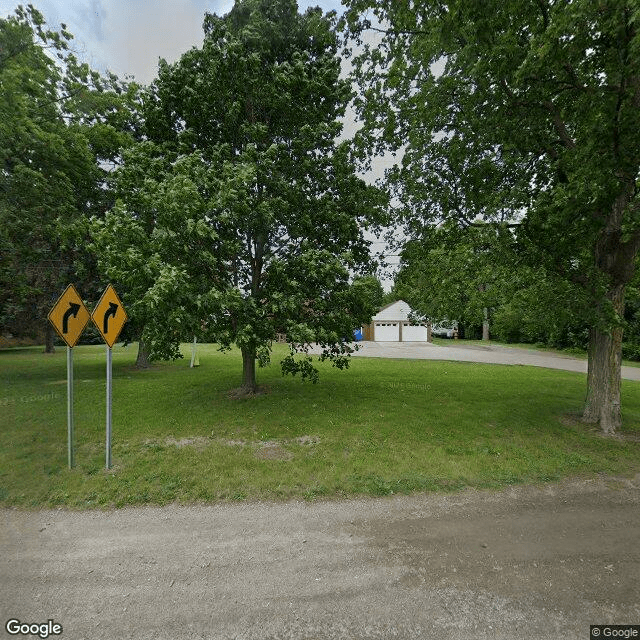
9235 Lapeer Road, Davison, MI 48423
For more information about senior living options: (866) 208-4318
A Place To Remember Costs & Pricing
At A Place To Remember, the monthly cost for a semi-private room is $2,400, which positions it as a competitive option compared to the average costs in Lapeer County and across Michigan. In Lapeer County, similar accommodations typically run about $2,937 per month, while the statewide average reaches approximately $3,191. This suggests that A Place To Remember offers significant savings for residents seeking quality care without compromising on comfort or support. By providing a more affordable alternative within the region, A Place To Remember stands out as an appealing choice for families looking for compassionate and cost-effective senior living solutions.
| Floor plans | A Place To Remember | Lapeer County | Michigan |
|---|---|---|---|
| Semi-Private | $2,400 | $2,937 | $3,189 |
Memory care communities with a similar price nearby
-
from +$105 / mo
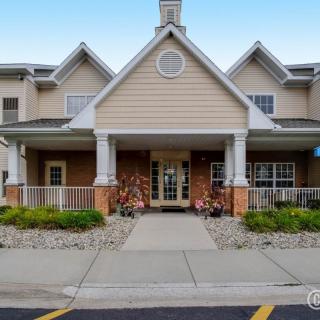
Devonshire Retirement Village
$2,505 to $4,500 / month9.3 miles away -
from +$100 / mo

Lakeview Elderly Home
$2,500 / month24.2 miles away -
from +$400 / mo
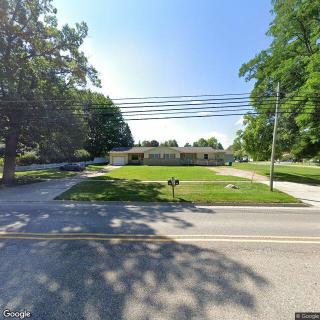
La Casa Place
$2,800 to $3,200 / month19.4 miles away -
from +$195 / mo

Americana Seniors
$2,595 to $5,795 / month1.3 miles away -
from -$300 / mo

Vibrant Life Senior Living of Durand
$2,100 to $3,350 / month23.6 miles away
Overall Review of A Place To Remember
Cons
 The living experience is described as horrible.
- There is normally only one staff member on site, and that person is unqualified.
- People cannot get the care they need and must wait too long for it.
- It is claimed to be “a place to remember,” but no one would want to be there.
Review
This community is best suited for seniors who can largely care for themselves or rely on an actively involved family caregiver to coordinate and supervise any needed support. In practice, it serves a very narrow niche: residents who do not require reliable, on-site assistance, frequent monitoring, or timely response to care needs. For families looking to minimize risk and ensure consistent caregiving, this setting does not fit. The reality reflected in the available feedback is that the bar for adequate care is not met, and the small staff footprint makes independent functioning the primary expectation rather than a shared safety net.
Those considering alternatives should note that any senior who needs regular help with activities of daily living, medication management, mobility assistance, or immediate attention when a problem arises should look elsewhere. The obvious mismatch is not a matter of taste or preference but of capacity: staffing levels and qualifications fall well short of what is necessary to support residents with even moderate care needs. If the situation involves dementia, recent injuries, or fragile health, the gap between expectations and the actual response times becomes a serious safety concern. In short, avoid this community when reliable caregiving is non-negotiable.
Pros, if any, are scarce and do not meaningfully offset the dominant drawbacks. The most tangible, if nebulous, upside would be an ostensibly lower cost relative to higher-tier facilities, an argument that sounds appealing only in a vacuum. However, price considerations crumble under the weight of insufficient staffing, delayed care, and uncertain caregiver qualifications. The emotional and practical cost of repeated exposures to unaddressed needs quickly eclipses any savings, making affordability a weak compass in the face of ongoing care failures.
The review history is blunt about the core issue: a single staff member on site for most shifts, with questions about qualifications, and repeated reports of residents waiting too long for needed assistance. The word “remembered” in the facility’s name rings hollow when care memories are punctuated by missed calls and slow responses. These patterns translate into real-world dangers: residents may be left waiting for help, medications may be delayed, and emergencies cannot be managed with the swiftness required. With such chronic understaffing, even routine checks and supervision become unreliable, eroding trust and peace of mind for families.
For families evaluating options, a disciplined due diligence plan is essential. Demand transparent staffing metrics: exact numbers on on-duty caregivers per shift, qualifications, and ongoing training programs. Observe actual response times during a trial visit, preferably across multiple times of day, and speak directly with current residents and their families about their experiences. Verify the presence of licensed nursing supervision, and inquire about medications, incident reporting, and emergency procedures. Compare these findings to other local communities that demonstrate reliable staffing, predictable care delivery, and measurable resident satisfaction. If staying within this community, insist on a concrete care plan, scheduled reviews, and a clear escalation path for any lapse in service.
Bottom line: this facility is not aligned with the needs of seniors who require dependable, qualified caregiving. It is a risky choice for anyone with significant daily support requirements or complex medical needs. Families should prioritize communities with proven staffing stability and readily accessible professional oversight. If still exploring, treat this option as a last resort and proceed only with stringent, non-negotiable safeguards in place, including an explicit exit plan and prompt relocation steps if care standards are not met.
 6 resident community capacity
 Assisted Living
 Board and Care Home
 Memory Care
 Bath tubs
 Beautician on-site
 Cable or satellite TV
 Dining room
 Fully furnished
 Garden
 Housekeeping services
 Move-in coordination
 Outdoor space
 Telephone
 Wi-Fi/high-speed internet available
 Bishop (11 miles away)
 24-hour supervision
 Activities of daily living assistance
 Ambulatory care
 Assistance with bathing
 Assistance with dressing
 Assistance with transfers
 Diabetes diet
 Diabetic care
 High acuity care
 Incontinence care
 Meal preparation and service
 Medication management
 Special dietary restrictions
 Transportation arrangement (medical)
 Transportation to doctors appointments
 Comprehensive care and amenities with 24/7 supervision, medication management, meals, transportation, and daily activities.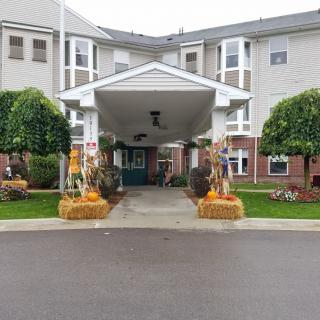


 How to Communicate with a Loved One Living with Dementia: 10 Supportive Strategies
 Comprehensive Guide to VA Nursing Homes: A Crucial Long-Term Care Resource for Veterans
 Estimating the Expenses of At-Home Dementia Care: A Detailed Exploration