

1523 W US Highway 2, Crystal Falls, MI 49920
To contact a resident: (906) 875-6671
For more information about senior living options: (866) 208-4318
Overall Review of Iron County Medical Care Fclty
Pros
 Residents are loved and cared for like family.
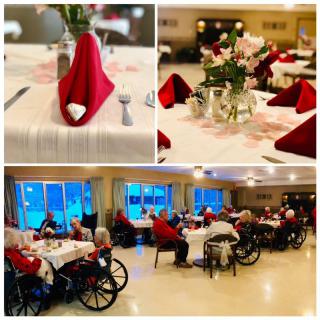
- Clean and professional facility with lots of activities and good fun for the residents.
Cons
 The facility killed the resident's father and allowed him to bleed internally.
- The facility knew about the issue beforehand.
- The facility believes it is acceptable to corner residents, as long as it suits them.
- The food was terrible, consisting of prepackaged processed items with the same menu every day.
- The staff do not respond to residents' or families' needs or complaints.
- The Birch hallway smelled like urine and feces.
Review
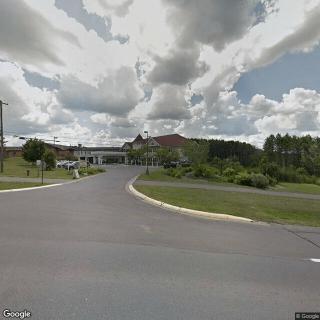
Iron County Medical Care Facility in Crystal Falls is best suited for families prioritizing a warm, home-like atmosphere where residents are treated with visible affection and where daily life is anchored by activity and social engagement. The setting often comes across as clean and professional, with a calendar of events designed to keep residents mentally and physically active. For families seeking a community that emphasizes companionship, personal attention from staff, and a sense of belonging, this facility delivers a compelling mix of comfort and structure. When compared with more clinical or impersonal environments, it stands out for creating a milieu that feels less like a hospital and more like a residential community where residents are tended to with a family-oriented touch. Those needs guide the decision, especially for seniors who value routine and social interaction as central to quality of life.
This community, however, must be weighed against serious warnings that merit careful scrutiny. Those who cannot tolerate questions about safety and accountability should look at alternatives. Prospective residents with high safety expectations or who require transparent, timely responses to concerns may reasonably conclude that other options offer clearer assurance. Families with a firm stance on nutrition, staff responsiveness, and proactive problem resolution may find the current profile inadequate. In short, when safety credibility and reliable complaint handling are nonnegotiable, this facility becomes a candidate for comparison rather than a default choice. The presence of positive, resident-centered attributes does not erase the essential need to verify that rigorous care standards are consistently upheld.
The strongest positives, the sense of being loved, the perceived family-like care, and the breadth of activities, are meaningful, but they do not fully offset the most troubling red flags. The care atmosphere described by several residents’ families emphasizes warmth and engagement, with staff who seem invested in keeping residents socially connected and engaged in meaningful routines. Cleanliness and a professional demeanor contribute to a solid daytime experience where activities and social events can significantly improve mood and daily satisfaction. Yet, the gravity of an alleged fatal medical incident and the claim of prior knowledge of the issue weigh heavily. When safety and accountability are questioned at this level, the positive experiences in daily life can feel like a fragile overlay on a potentially serious underlying problem. The contrast makes a disciplined, evidence-based evaluation essential.
From a practical standpoint, families should pursue targeted due diligence to determine whether the positives can endure under a higher standard of safety and responsiveness. Key steps include requesting a tour with a critical eye for staff engagement and resident interaction, reviewing the activity calendar for scheduling consistency, and probing how often residents are checked for comfort, pain, and new symptoms. It is essential to see how dietary concerns are addressed: ask for a menu sample, observe meal service, and inquire about menus’ variety and nutrition. Clarify housekeeping routines and the steps taken when odors or cleanliness concerns arise. Inquire about the staff-to-resident ratio, shift coverage, and how concerns are escalated and tracked. Prospective families should also request license and inspection histories and speak with multiple residents and families to gauge whether reported issues are isolated or systemic.
Ultimately, the decision hinges on personal risk tolerance and the weight given to safety and advocacy versus social vitality and comfort. If the family places top priority on a robust social fabric, attentive care that feels like family, and a clean, well-maintained environment, this community remains a viable option worth exploring further. However, if the priority is undiluted safety, consistent responsiveness to concerns, and exceptional nutrition without exception, alternatives should be seriously considered. The best path combines a candid assessment of the environment with direct conversations about remedies and safeguards. A disciplined, stepwise visitation plan, interviews with leadership, requests for incident documentation, and conversations with current residents, will yield the clearest read on whether the positives can be sustained in the face of the concerns raised. In the end, the choice should align with what matters most: peace of mind about safety and care, or the comfort and enrichment of a lively but potentially risk-laden living experience.
 Board and Care Home
 Ford (23 miles away)

 A Detailed Examination of Nursing Home Costs Across the U.S.
 Exploring Nonmedical Home Care: Understanding Services, Costs, and Financial Approaches
 Engaging Brain Games and Innovative Apps to Keep Senior Minds Active