
69 Wood Drive, Coldwater, MI 49036
For more information about senior living options: (866) 208-4318
Overall Review of Unity Group V
Pros
 The staff at Unity Group 5 are kind and compassionate.
- The son feels safe and this place is his home.
Cons
 It was a nightmare from beginning to end.
- They have a reputation that warns others.
- They don’t train well and let residents be mentally abused by the clients.
- They forgive mistakes from people they like, which is unfair.
Review
Unity Group V in Coldwater, MI is best suited for families that prize a warm, safety-first environment with attentive frontline staff and a strong sense of home. The reviews imply that when the care team is engaged and consistent, residents can feel protected, valued, and connected to caregivers who treat them like people, not tasks. This is not a sterile facility impression, it's about a genuine, day-to-day caregiver presence that can translate into real comfort for a loved one. The caveat is that this fit hinges on stable staffing, solid training, and disciplined supervision; without those, the positives quickly fade.
Those who should consider alternatives are families who require rock-solid consistency, transparent governance, and proven incident oversight. The community carries a troubling reputation for training gaps and a perception that mistakes may be tolerated for favored staff, which can undermine resident safety and dignity. With a 2.8 overall rating from four reviews and two 1-star accounts, the signal is clear: reliability and accountability matter as much as warmth. If a family cannot tolerate variability in care quality or fears potential mistreatment, broader options with stronger governance should be pursued.
On the upside, a positive, but site-distant, signal comes from a note about Unity Group 5, where the staff are described as kind and compassionate and the resident feels safe, essential ingredients of a home-like feel. When leadership extends a culture of genuine concern, that kind of care can replicate across locations with intentional staffing and training. The potential exists for Unity Group V to deliver the same level of warmth and safety that appears attainable at sister properties, and such a culture is not something to dismiss outright.
However, the most troubling takeaway is the explicit negative experience that frames the core risk narrative. The “nightmare from beginning to end” description points to instability in staffing, insufficient training, and an environment where residents can be vulnerable to emotional or psychological distress. Claims that mistakes are tolerated for favored employees, and that residents can be mentally abused by other clients, raise serious red flags about day-to-day oversight, behavioral management, and safeguarding protocols. These are not minor irritants; they strike at the core of resident dignity and safety.
That tension between a potential for kindness and the reality of weak training and oversight largely determines whether any pros can offset the cons. In practice, warmth and a perceived homey atmosphere matter, yet without verifiable, ongoing staff development, clear incident reporting, and demonstrable resident-rights protections, those positives are unlikely to translate into dependable care. The existence of a high-rated example at Unity Group 5 suggests the organization can foster excellent care; translating that to Unity Group V depends on concrete commitments from leadership, transparent staffing data, and visible enforcement of care standards.
The practical course is decisive. For families considering Unity Group V, demand a candid tour focused on training curricula, staff-to-resident ratios, and how behavioral issues are managed and documented. Ask to review incident reports, corrective action plans, and licensing compliance records. Speak with current residents’ families about their experiences, and insist on written policies that protect resident dignity and safety. If any of these elements are opaque or inconsistent, or if staff turnover and supervision remain unclear, pursue alternatives in Coldwater or nearby communities with stronger, more verifiable governance. In short, Unity Group V can be a fit for those who can verify stable, compassionate care and rigorous oversight; for others, the risks evident in these reviews merit exploring safer, more consistently governed options.
 6 resident community capacity
 Assisted Living
 Cable or satellite TV
 Dining room
 Fully furnished
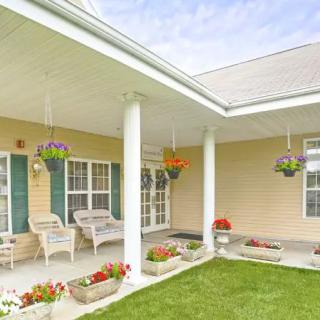
 Garden
 Housekeeping services
 Move-in coordination
 Outdoor space
 Telephone
 Wi-Fi/high-speed internet available
 24-hour supervision
 Activities of daily living assistance
 Assistance with bathing
 Assistance with dressing
 Assistance with transfers
 Diabetes diet
 Meal preparation and service
 Medication management
 Special dietary restrictions
 Transportation arrangement (medical)
 Transportation to doctors appointments

 Social Security Benefits and Assisted Living: Navigating Options Across the U.S.
 An Extensive Exploration of the VA Aid and Attendance Benefit
 Senior Transition Services: Understanding Their Role, Cost, and Importance