
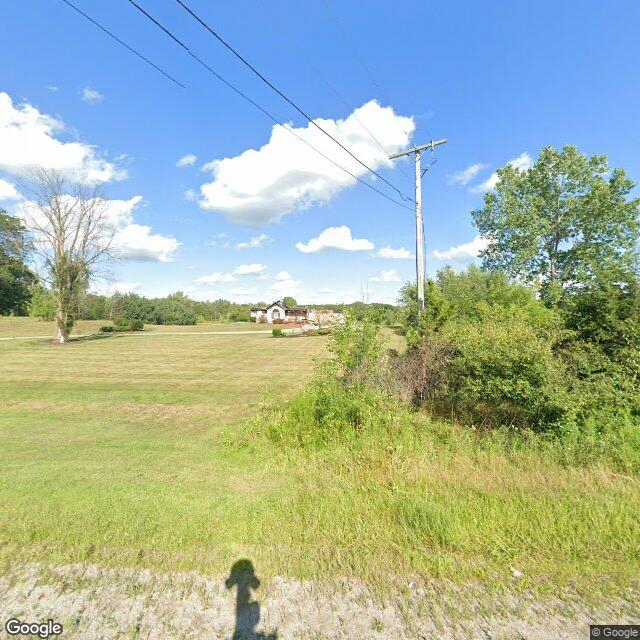
11328 N Bray Road, Clio, MI 48420
To contact a resident: (810) 247-2343
For more information about senior living options: (866) 208-4318
Serenity Assisted Costs & Pricing
Serenity Assisted offers competitive pricing for its services, particularly when compared to both Tuscola County and the broader state of Michigan. For a semi-private room, residents can expect to pay $2,000 per month, significantly lower than the county average of $3,566 and the state average of $3,191. In terms of private accommodations, Serenity Assisted's rate of $2,700 remains attractive against the local and statewide figures of $3,497 and $3,675 respectively. This favorable pricing positions Serenity Assisted as an appealing option for individuals seeking quality care at an accessible cost in their search for assisted living solutions.
| Floor plans | Serenity Assisted | Tuscola County | Michigan |
|---|---|---|---|
| Semi-Private | $2,000 | $3,566 | $3,189 |
| Private | $2,700 | $3,497 | $3,674 |
Senior living communities with a similar price nearby
-
About the same
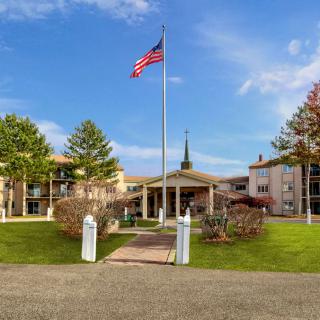
Holiday Winter Village
$1,995 to $3,289 / month12.1 miles away -
from -$150 / mo
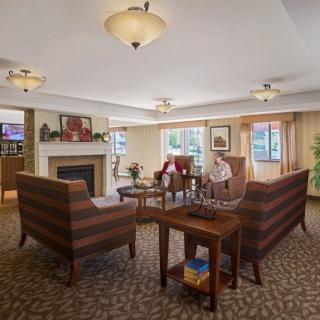
American House Grand Blanc Senior Living
$1,850 to $3,540 / month17.8 miles away -
from +$100 / mo
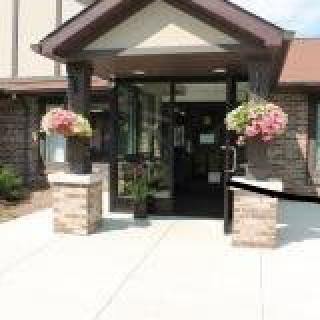
Vibrant Life Senior Living of Durand
$2,100 to $3,350 / month24.0 miles away -
About the same
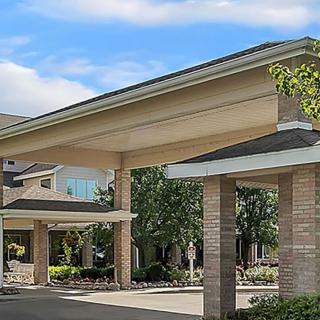
Holiday Genesee Gardens
$2,049 to $3,099 / month12.4 miles away -
from -$200 / mo
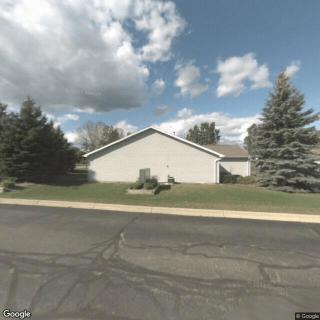
Woodhaven Senior Community
$1,800 to $2,000 / month13.6 miles away
Overall Review of Serenity Assisted
Pros
 The staff provide quality care.
- The facility is clean and feels like home.
- Families would recommend it for their loved ones.
- The staff are friendly and relatives enjoy their stay.
- Serenity Assisted Living is described as a place where families are treated like family and receive wonderful services.
Review
Serenity Assisted Living in Clio, Michigan, is best suited for families that want a warm, home-like atmosphere where seniors receive steady, compassionate care and staff cultivate a genuine sense of community. This community works well for residents who need light to moderate assistance and who value daily engagement, personal attention, and a atmosphere that feels intimate rather than institutional. Across multiple accounts, the experience is marked by cleanliness, a domestic feel, and caregivers who treat residents with familiarity and respect. Families report that loved ones adapt quickly because staff familiarity translates into trust, predictable routines, and a sense that “home” is still possible in later life. The overall cadence here is calm, personal, and focused on modest but meaningful daily supports.
Those who may want to consider alternatives are primarily families seeking robust medical oversight or specialized memory-care programming. For seniors requiring intensive nursing care, frequent skilled interventions, or highly structured cognitive therapies, a larger campus with formal clinical staffing may be a better fit. Prospective residents who expect a wide variety of on-site therapy options, dedicated memory-care units, or around-the-clock clinical supervision should compare options beyond smaller, home-style facilities. Additionally, families who want guaranteed transparency around tours, care plans, and policy details should verify these steps upfront, since at least one reviewer observed a drive-by impression rather than a formal tour. In short, Serenity is ideal for comfort and companionship; those chasing stronger clinical infrastructure may want alternatives.
The strongest positives, cleanliness, a genuine home atmosphere, and staff who go beyond the basics, often offset the potential drawbacks of a smaller operation. Caregivers are described as high-quality and attentive, with a willingness to treat residents like family and to tailor daily life to individual needs. The sense that staff celebrate small wins and maintain dignity, such as ensuring a bed-bound relative remains engaged rather than languishing, reassures families that the team prioritizes quality of life as much as safety. The “like family” tone and the route from initial concern to ongoing reassurance create trust, which matters deeply when a loved one’s dependence increases. In this sense, the pros directly strengthen the daily lived experience in a way that more clinical settings sometimes miss.
Where the setting could feel limited, the benefits still provide meaningful offset. A house-like footprint, described as a two-story home with a comfortable, domestic exterior, may not deliver the breadth of programming seen in larger campuses, but it also minimizes the stress of navigating a big facility. For many families, the intimacy of a smaller staff with more consistent faces translates into better communication and quicker adjustments to changing needs. The practical effect is lower impersonality, better recall of resident preferences, and calmer days for both residents and their families. If the priority is predictable routines, personal recognition, and steady hands on caregiving, these factors often eclipse the desire for a broader menu of clinical services.
For families evaluating Serenity, practical steps can sharpen the fit. Request a tour and a candid discussion about care plans, staffing ratios, and daily activity calendars. Inquire about transportation arrangements for medical appointments or social outings, and ask to see sample care plans and progress notes to understand how resident goals are tracked. It’s wise to probe memory-care readiness or alternatives if cognitive needs evolve, and to confirm how staff respond to call bells, night-time checks, and mobility assistance. Hearing straight answers about what constitutes “quality care” in this setting will help determine whether the home-like approach aligns with the senior’s medical needs and family expectations.
Bottom-line, Serenity Assisted Living is a pragmatic choice for families seeking a hospitable, intimate environment where staff deliver dependable, person-centered care and residents feel like they are part of a caring family. It excels for those who prize a clean, comfortable home atmosphere and staff who know residents well and respond with warmth and initiative. Families needing heavy clinical oversight, a formal memory-care program, or a widely varied activity roster may want to compare larger communities or facilities with dedicated medical teams. For the right match, a senior who benefits from daily companionship, gentle assistance, and a reassuring, family-like culture, this Clio community offers solid value and tangible peace of mind.
 Board and Care Home
 Activities off-site
 Beautician on-site
 Devotional services off-site
 Indoor common areas
 Outdoor common areas
 Private
 Respite or short term stays offered
 Bishop (15 miles away)
 Ambulatory care
 Diabetic care
 Incontinence care
 Kosher
 Christian services
 Comprehensive Guide to Qualifying for Home Health Care Services
 Powerful Realities of Elder Abuse and the Most Effective Ways to Report It
 Ten Vital Duties of a Senior Caregiver: A Comprehensive Guide