Pray Family Care Home

2334 East Frances Road, Clio, MI 48420

For more information about senior living options: (844) 490-3973

4.2 from 55 reviews
5 stars
37
4 stars
10
3 stars
0
2 stars
0
1 stars
8

Assisted Living

Overall Review of Pray Family Care Home

Pros

  • pro Maple Woods Manor handles insurance and financials seamlessly, easing transitions for families.
  • pro The staff are friendly and helpful across all roles.
  • pro The facility ensures residents' medications, diet preferences, hygiene, and comfort are well coordinated.
  • pro Maple Woods Manor has turned challenging times into positive experiences for families.
  • pro The meals are warm, delicious, and adjustable to residents' needs and desires.
  • pro CNAs and nurses are friendly, attentive, and consistently go above and beyond.
  • pro Residents feel safe and well cared for at Maple Woods Manor.
  • pro There are engaging activities planned to entertain residents of all abilities.
  • pro The care provides attentive medical oversight, nutritious meals, and a comfortable, home-like environment.
  • pro The staff communicate proactively, keeping families informed and involved.
  • pro Rehab services at Maple Woods Manor are knowledgeable and caring.
  • pro The team is kind-hearted, hardworking, and takes pride in Maple Woods Manor.

Cons

  • pro Staff seem overwhelmed and patients are always waiting for help.
  • pro Some rooms are very crowded with no room to sit.
  • pro The facility operates as a bare-bones operation with insufficient staff on duty.
  • pro The rooms are dirty and in desperate need of a full renovation.
  • pro The building feels cold and unwelcoming.
  • pro A physical therapist was rude and talked down to residents and their family.
  • pro The food is bland and not suitable for residents who cannot chew, with undercooked vegetables and hard fruit.
  • pro Management appeared distracted by meetings rather than addressing patient concerns after hospitalization.

Review

Maple Woods Manor emerges in these accounts as a place that many families and residents truly value, often after difficult experiences elsewhere. Time and again, the facility is described as a welcoming, well-organized environment where transfers from hospital to rehab feel seamless and stress-free. Families highlight that the staff handle insurance, finances, and the logistical pieces quickly, which soothes the anxiety that usually accompanies such transitions. In several stories, Maple Woods is praised as a vast improvement over prior facilities, with the sense that the care team genuinely makes an effort to know each resident and respond to their individual needs.

A central thread across the testimonies is the commitment of staff to the whole person. Residents report that the team pays attention to medications, diet preferences, hygiene, and overall comfort, treating these as priorities rather than afterthoughts. The atmosphere is repeatedly described as warm and attentive, where even routine care feels personalized. The CNA staff, in particular, is mentioned as consistently friendly and helpful, often going above and beyond to fetch water, ice, and snacks and to ensure small but meaningful comforts are available throughout the day. While several comments acknowledge the reality of understaffing, the tone remains one of admiration for the dedication and perseverance of the caregivers.

Nutritious, satisfying food is another widely praised element. The kitchen and dietary team are commended for serving nice, warm meals and for being willing to adjust menus to individual needs and desires. The sense of a home-like environment extends to meals, with residents noting that the food is not only nutritious but also thoughtfully prepared. The combination of good meals, comfortable surroundings, and proactive care contributes to a broader impression of Maple Woods as a place where daily life feels manageable and dignified, even for those with heavy medical needs or limited mobility.

Safety, cleanliness, and ongoing activities form the backbone of the positive experience for many. Residents feel safe and well cared for, with staff planning activities that engage a wide range of abilities, including those who are bedridden. The facility is described as clean and well-maintained, with a comforting atmosphere that fosters a sense of belonging. The mix of social and mental stimulation - reliable updates, opportunities to participate in events, and consistent warmth from staff - helps families feel reassured and involved in their loved ones' lives. In these stories, Maple Woods is not just a place to stay; it's a community that supports both residents and their families through every phase of care.

There are deeply personal testimonials about the impact of Maple Woods on individual families. One account describes how a father who had suffered a stroke found that his communication and mood improved after his transfer to Maple Woods; a caregiver's attentiveness and the staff's ability to know him by name made a lasting difference. In other stories, the presence of a compassionate team, including doctors and nurses who stay on top of changing conditions, provides immense peace of mind for relatives. The sense that the staff treat residents with dignity and respect - listening to their stories, honoring their preferences, and staying connected with families - comes through as a defining strength, reinforcing why many families choose Maple Woods again and again.

Of course, not every note is perfectly positive. Some reviewers call for more staff on duty, pointing out that despite the many strengths, there are periods when residents wait for help or when the care team feels spread thin. There are critiques about dishes not suiting everyone, particularly for those with chewing difficulties or dental challenges, and a few comments about undercooked vegetables or fruit that is not fully ripe. A few voices recount frustration with specific interactions - whether it's a professional who seemed rude or a moment when management appeared unavailable during a crisis. These concerns underscore a common reality in long-term care: staffing levels, consistency in provider behavior, and facility maintenance are continuous challenges that can color otherwise positive experiences.

Even as these tensions surface, the overall narrative remains overwhelmingly positive, with many families expressing strong gratitude and a clear preference for Maple Woods Manor. Several residents and relatives describe feeling "blessed," "safe," and cared for in ways that restore faith in the care system after prior negative experiences. The facility's emphasis on communication, transparency, and family involvement is repeatedly praised, contributing to a sense of partnership between staff and families. The recurring theme is one of genuine commitment to high-quality care, delivered in a setting that feels both professional and welcoming.

In sum, Maple Woods Manor is portrayed as a facility that excels in compassion, cleanliness, and personalized attention, making a difficult transition far smoother for many families. The positive reflections emphasize a home-like atmosphere, attentive caregivers, tasty and customizable meals, and robust activity programming that accommodates a broad spectrum of needs. Yet the stories also remind readers that the reality of long-term care includes ongoing staffing pressures and occasional interpersonal or facility-maintenance issues. Taken together, the portraits depict Maple Woods as a place many consider a beacon of care and reliability, with a clear commitment to treating residents not just as patients, but as people with histories, preferences, and families who deserve support.

Features

Housing

  • 6 resident community capacity 6 resident community capacity

Types of Care

  • Assisted Living Assisted LivingAssisted living facilities provide crucial support and care for seniors who may need help with daily tasks such as medication management, bathing, and meal preparation. These communities offer a safe and comfortable environment where seniors can maintain their independence while receiving the assistance they need to thrive in their golden years.

Amenities

  • Cable or satellite TV Cable or satellite TVCable or satellite TV is important for seniors because it provides entertainment, news, and companionship, helping to combat loneliness and boredom. It also offers a wide range of programming options tailored to different interests and preferences.
  • Dining room Dining roomDining rooms are important for seniors as they provide a space for socialization, connection, and nutritious meals. They offer opportunities for residents to bond over shared meals, foster a sense of community, and promote healthy eating habits. Dining rooms also ensure that seniors have access to well-balanced meals tailored to their dietary needs and preferences.
  • Fully furnished Fully furnishedFully furnished senior living communities are important for seniors because they provide convenience, comfort, and a hassle-free moving experience. Seniors can easily settle into their new living space without the stress of having to buy and move furniture. This allows them to focus on enjoying their new home and community.
  • Garden GardenGardens are important for seniors as they provide a peaceful and therapeutic environment for relaxation, physical activity, and socialization. Being in nature has been shown to reduce stress, improve mood, and promote overall well-being. Gardens also offer opportunities for seniors to engage in gardening activities, which can improve mobility, flexibility, and cognitive function. Additionally, gardens create a sense of community and connection with others who share a passion for plants and outdoor spaces.
  • Housekeeping services Housekeeping servicesHousekeeping services are important for seniors because they help maintain a clean and safe living environment, promote independence, and reduce the risk of accidents or illnesses. Additionally, having assistance with household chores can alleviate physical strain and allow seniors to focus on other aspects of their well-being.
  • Move-in coordination Move-in coordinationMove-in coordination is important for seniors because it helps ease the transition into their new living environment. It ensures that all logistics, such as packing, organizing movers, and setting up utilities are taken care of, allowing seniors to focus on settling in and adjusting to their new home. Having a smooth move-in process can alleviate stress and anxiety, making the transition smoother and more enjoyable for seniors.
  • Outdoor space Outdoor spaceOutdoor spaces are important for seniors as they provide opportunities for physical activity, social interaction, exposure to natural light and fresh air, and a sense of connection to nature. Having access to outdoor spaces can improve overall well-being and quality of life for older adults living in senior communities.
  • Telephone TelephoneTelephones are important for seniors as they provide a lifeline for communication with loved ones, emergency services, and healthcare providers. They offer a sense of security and independence, enabling seniors to stay connected and access assistance when needed.
  • Wi-Fi/high-speed internet available Wi-Fi/high-speed internet availableWi-Fi/high-speed internet is important for seniors to stay connected with loved ones, access online resources, and participate in virtual activities to combat feelings of loneliness and isolation. It also allows them to easily manage healthcare needs, access entertainment, and engage in lifelong learning opportunities.

Transportation

  • Bishop (12 miles away) Bishop (12 miles away)

Care Services

  • 24-hour supervision 24-hour supervision24-hour supervision is important for seniors to ensure their safety, well-being, and access to immediate assistance in case of emergencies or health issues. This constant support provides peace of mind for both seniors and their loved ones, allowing them to age in place with dignity and security.
  • Activities of daily living assistance Activities of daily living assistanceActivities of daily living assistance are important for seniors because they provide essential support with tasks such as eating, bathing, dressing, and mobility. This assistance helps seniors maintain their independence, dignity, and overall quality of life as they age.
  • Assistance with bathing Assistance with bathingAssistance with bathing is crucial for seniors as it helps maintain personal hygiene, prevents infections, and ensures their overall well-being and comfort. It also provides a sense of dignity and independence for seniors who may struggle with this task on their own.
  • Assistance with dressing Assistance with dressingAssistance with dressing is important for seniors because it helps maintain their independence, promotes personal hygiene, prevents accidents and injuries, and improves overall quality of life. This service ensures that seniors can continue to dress comfortably and confidently, despite any physical limitations they may have.
  • Assistance with transfers Assistance with transfersAssistance with transfers is crucial for seniors as it helps prevent falls and injuries, maintains their independence, and ensures they can safely navigate their living environment. It also provides peace of mind for both seniors and their loved ones.
  • Coordination with health care providers Coordination with health care providersCoordination with health care providers is crucial for seniors to ensure proper medical care, medication management, and overall well-being. This collaboration helps prevent overlapping treatments, track progress more effectively, and provide comprehensive support tailored to individual needs.
  • Diabetes diet Diabetes dietA diabetes diet is crucial for seniors as it helps manage blood sugar levels, reduce risks of complications, and improve overall health and well-being. By following a balanced and nutritious diet tailored to their specific needs, seniors can better control their diabetes and enhance their quality of life.
  • Meal preparation and service Meal preparation and serviceMeal preparation and service are crucial for seniors as they may have limited mobility or energy to cook nutritious meals. Having access to healthy and convenient food options can ensure they are getting the proper nutrition needed to maintain their overall health and well-being.
  • Medication management Medication managementMedication management is crucial for seniors to ensure they are taking the right medications at the correct dosages and times. This helps prevent adverse drug interactions, reduces the risk of medication errors, and promotes overall health and well-being. Proactive management also allows for adjustments as needed based on changing health conditions or new prescriptions.
  • Special dietary restrictions Special dietary restrictionsSpecial dietary restrictions are important for seniors because age-related changes in metabolism and health conditions can make it difficult for their bodies to process certain foods. By following a diet tailored to their specific needs, seniors can maintain their overall health and well-being, manage chronic conditions, and reduce the risk of complications such as malnutrition or food interactions with medications.
  • Transportation arrangement (medical) Transportation arrangement (medical)Transportation arrangements for medical purposes are essential for seniors as they may have difficulty driving themselves to appointments or accessing public transportation. Having reliable and safe transportation options ensures that seniors can receive timely medical care and maintain their health and well-being.
  • Transportation to doctors appointments Transportation to doctors appointmentsTransportation to doctors' appointments is crucial for seniors as it ensures they have access to necessary medical care and support for their health needs. Without reliable transportation, seniors may struggle to attend important appointments, leading to potential delays in treatment and health complications. Providing transportation services helps seniors maintain their overall well-being and quality of life.

Dining

  • Diabetes diet Diabetes dietA diabetes diet is crucial for seniors as it helps manage blood sugar levels, reduce risks of complications, and improve overall health and well-being. By following a balanced and nutritious diet tailored to their specific needs, seniors can better control their diabetes and enhance their quality of life.
  • Special dietary restrictions Special dietary restrictionsSpecial dietary restrictions are important for seniors because age-related changes in metabolism and health conditions can make it difficult for their bodies to process certain foods. By following a diet tailored to their specific needs, seniors can maintain their overall health and well-being, manage chronic conditions, and reduce the risk of complications such as malnutrition or food interactions with medications.

Activities

  • Community-sponsored activities Community-sponsored activitiesCommunity-sponsored activities are important for seniors as they provide opportunities for social interaction, mental stimulation, and physical activity. These activities can help improve overall well-being, combat loneliness and isolation, and promote a sense of belonging and purpose among older adults.
  • Scheduled daily activities Scheduled daily activitiesScheduled daily activities are important for seniors because they provide structure, socialization, mental stimulation, and physical activity. Engaging in regular activities can improve overall well-being and quality of life for seniors living in a community setting.

Description

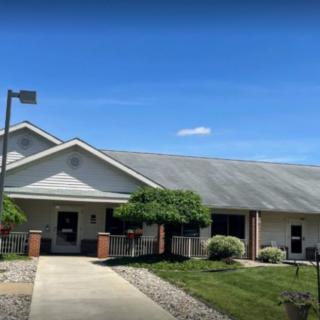
Pray Family Care Home in Clio, MI is an assisted living community that offers a comfortable and supportive environment for seniors. Our facility is fully furnished and includes a dining room where residents can enjoy delicious meals prepared by our staff.

In addition to our cozy indoor spaces, we also have an outdoor garden area where residents can relax and take in the fresh air. Housekeeping services are provided to ensure that common areas and individual living spaces are always clean and tidy.

At Pray Family Care Home, we understand the importance of staying connected, which is why we offer telephone services as well as Wi-Fi/high-speed internet access throughout the facility. This allows residents to easily stay in touch with loved ones and access online resources.

Our dedicated care team is available to provide assistance with activities of daily living, such as bathing, dressing, and transfers. We coordinate with healthcare providers to ensure that each resident receives the necessary medical attention. Our staff also assists with medication management and ensures that special dietary restrictions are accommodated.

Transportation arrangements for medical appointments are available for added convenience. We strive to keep our residents active and engaged through scheduled daily activities catered to their interests.

Pray Family Care Home is located in a vibrant community with various amenities nearby. There are three parks for residents to enjoy outdoor activities, seven pharmacies for convenient access to prescriptions, one physician's office for regular health check-ups, five restaurants for dining options, and one place of worship for spiritual support. Additionally, there is a hospital nearby for any emergency medical needs.

At Pray Family Care Home in Clio, MI, we provide a warm and nurturing environment where seniors can receive personalized care while enjoying a range of amenities and easy access to local resources.

Nearby Places of Interest

Restaurants

  • Los Cabos Grill & Bar (1.8 miles)
  • Gillies Coney Island (2.1 miles)
  • McDonald's (2.2 miles)
  • Huckleberry Junction Playhouse Theater (2.4 miles)
  • Billy's Pine Run Inn (4.1 miles)
  • The Black Horse Tavern (5.2 miles)
  • Arby's (5.9 miles)

Pharmacies

  • Union Prescription Center (1.8 miles)
  • Rite Aid (1.9 miles)
  • Rite Aid (2.3 miles)
  • Hutchinson Food & Drug (4.5 miles)
  • Vg's Grocery (4.6 miles)
  • Rite Aid (4.7 miles)
  • Bordens Pharmacy (4.9 miles)

Hospitals

  • Reliant Renal Care (2.2 miles)
  • Da Vita (7.9 miles)
  • Select Specialty Hospital (8.9 miles)

Parks

  • Crossroads Village & Huckleberry Railroad (2.8 miles)
  • Carousel (2.9 miles)
  • Stepping Stone Falls (4.9 miles)
  • Riverbank Park (5.6 miles)
  • For-Mar Nature Preserve & Arboretum (7 miles)
  • Continental North Northside Playground (8.5 miles)
  • Continental North Southside Park (8.8 miles)

Physicians

  • Dr Aftabs (3.8 miles)
  • Richfield Family Medicine (5.8 miles)
  • Dr Arbogast (5.9 miles)
  • Moore Julian MD (6.5 miles)
  • Dort Medical Group (7.1 miles)
  • Patrick C Gray, DDS (7.4 miles)
  • Douglas M. Iddings, DO (7.5 miles)

Places of Worship

  • St Charles & Helena Church (4.5 miles)
  • House of Prayer Missionary Baptist Church (5.2 miles)
  • Bethel Chapel Assembly of God (7.2 miles)
  • St Timothy Lutheran Church (7.7 miles)
  • St John Vianney Church (8.3 miles)
  • Trinity Baptist Church (8.8 miles)

Cafes

  • Starbucks (8 miles)
  • Cafe Rhema (8.2 miles)

Transportation

  • Amtrak (8.1 miles)

Frequently Asked Questions

Where is Pray Family Care Home?

Nearby Communities

Related Resources

  • when to move from assisted living to nursing home8 Key Indicators That Suggest It May Be Time to Transition from Assisted Living to Skilled Nursing Care

    The transition from assisted living to skilled nursing care is often prompted by complex medical needs that assisted living cannot meet, with key indicators including frequent health declines, increased falls, severe memory issues, and caregiver burnout. Families should recognize these signs early to discuss options with healthcare providers and prepare for the emotional and logistical aspects of moving to a facility that offers comprehensive medical support.

  • active senior livingVibrant Senior Living: A Comprehensive Guide for Active Older Adults

    Vibrant Senior Living emphasizes active senior living communities that promote independence and engagement through diverse amenities and activities, fostering wellness and social interaction among older adults. These communities range from independent to assisted living, with a focus on personal growth, family involvement, financial planning, and leveraging technology to enhance residents' experiences.

  • when to move from assisted living to memory careWhen to Transition from Assisted Living to Memory Care: Key Indicators, Steps, and Finding the Right Community

    Transitioning from assisted living to memory care is driven by an individual's cognitive decline and specific needs, requiring careful evaluation of indicators like increased confusion and wandering. The process involves consulting medical professionals, researching suitable communities, considering financial and legal aspects, and ensuring effective communication for personalized care plans.