
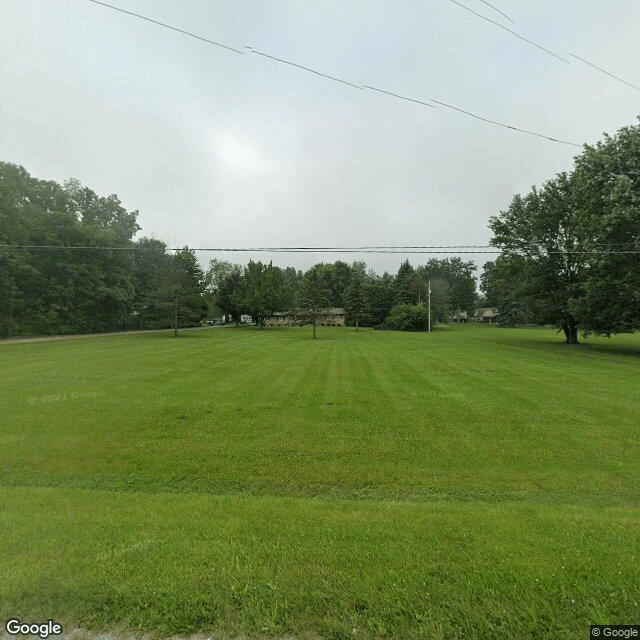
2125 W. Wilson Rd, Clio, MI 48420
To contact a resident: (810) 547-1763
For more information about senior living options: (866) 208-4318
Bentley Manor #10 Costs & Pricing
Bentley Manor #10 presents a distinctive pricing structure for its accommodations, reflecting the premium quality and services offered. For semi-private rooms, the monthly cost stands at $5,485, which notably exceeds both the Tuscola County average of $3,566 and the broader state rate of $3,191. Private rooms at Bentley Manor are priced at $6,582 - again significantly higher than Tuscola County's average of $3,497 and Michigan's average of $3,675. The studio option is the most expensive at Bentley Manor #10, priced at $7,130 compared to Tuscola County's $3,622 and Michigan's $3,824. These figures suggest that while Bentley Manor #10 positions itself as a premium facility within both county and state contexts, prospective residents can expect an enhanced living experience that justifies the higher costs.
| Floor plans | Bentley Manor #10 | Tuscola County | Michigan |
|---|---|---|---|
| Semi-Private | $5,485 | $3,566 | $3,189 |
| Private | $6,582 | $3,497 | $3,674 |
| Studio | $7,130 | $3,622 | $3,824 |
Senior living communities with a similar price nearby
-
from -$1085 / mo

Cottage of Davison
$4,400 to $6,500 / month15.0 miles away -
from -$990 / mo

Springvale Assisted Living & Memory Care
$4,495 to $5,400 / month16.2 miles away -
from -$709 / mo
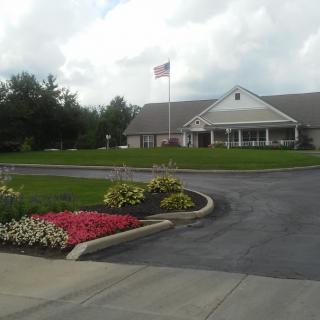
Courtyard Manor of Swartz Creek
$4,776 to $4,928 / month15.4 miles away -
from -$950 / mo
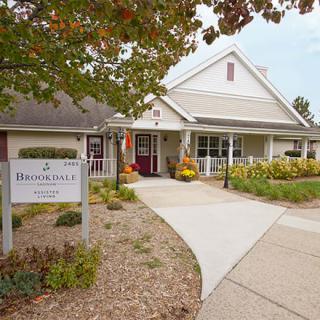
Brookdale Saginaw
$4,535 to $5,775 / month24.2 miles away -
from -$985 / mo
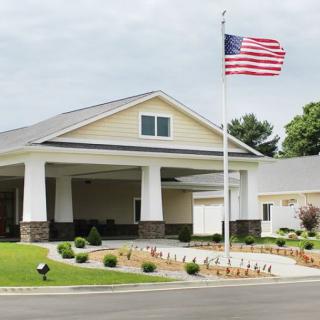
Covenant Glen
$4,500 to $5,200 / month12.4 miles away
Overall Review of Bentley Manor #10
Cons
 The facility is described as horrid.
- Some reviews are questioned as possibly being a joke or written by employees or the owner.
- It’s advised not to send a family member to this place.
- One reviewer pulled their mom after two weeks due to negligent care, mistreatment, and alleged physical and mental abuse.
- The caregivers are accused of not caring and of lying to the reviewer.
Review
Bentley Manor #10 in Clio, MI is best suited for families that will actively supervise care and push for accountability, rather than those hoping for a consistently hands-off, flawless experience. The most forceful caution comes from a reviewer who alleges negligent care, mistreatment, and even physical and mental abuse, a stark reminder that real vigilance is non-negotiable here. For families willing to stay engaged, ask hard questions, and be ready to act if problems surface, the community may still hold potential. For anyone seeking a setting with proven, uniformly high-quality care and predictable day-to-day operations, this is not a safe default choice.
Alternatives deserve serious consideration for those prioritizing safety, transparency, and steady caregiving. The explicit negative report, coupled with concerns about caregiver attitude and honesty, creates a red flag that cannot be dismissed. While several five-star reviews exist, they do not neutralize the risk presented by that account. In other words, if staff training, consistent supervision, and a culture of open communication are essential, it may be wiser to compare Bentley Manor with other local communities that offer clearer, verifiable safety records and more reliable oversight.
The potential positives, where they appear in the broader feedback, point to the familiar benefits of many assisted-living settings: engaging staff, a welcoming environment, and responsive administration when operations run smoothly. However, those advantages are fragile here because they must survive a serious concern about neglect and mistreatment. In practice, the key decision is not whether pleasant moments occur but whether a pattern of care can be relied upon. Without consistent, documented evidence of proper staffing, accurate care plans, and timely family communication, the perceived pros cannot meaningfully offset the gravest conerns.
A disciplined due-diligence process is essential for anyone considering Bentley Manor. Before deciding, demand a thorough in-person tour that specifically probes staffing levels, turnover, and day-to-day routines. Review incident logs, responsiveness metrics, and whether a supervising administrator is present during peak activity times. Seek written policies on neglect concerns, safety investigations, and a contingency plan if care declines. The absence of transparent policy and accountable leadership is a red flag that should weigh heavily in the decision.
The decision framework should center on staffing stability, rapid response to concerns, quality of care planning, and the resident’s autonomy. If choosing Bentley Manor, set explicit expectations for daily care tasks, medication management, and safety checks, and consider a short-term stay with a clear exit clause if standards slip. Involve a trusted family advocate to observe the first two weeks and insist on regular progress updates. The goal is to distinguish genuine, sustained care improvements from promises, ensuring that the loved one is protected while living there.
Bottom line: Bentley Manor #10 is a high-stakes choice that rewards vigilance, evidence-based oversight, and clear accountability, and it carries real risk if those safeguards falter. It may suit families prepared to invest time and energy into supervising care and demanding rapid, transparent responses to concerns. For those unable or unwilling to maintain that level of oversight, exploring alternatives with stronger, more consistent safety records should take precedence. The ultimate decision should hinge on whether dependable, transparent care can be secured and whether the environment aligns with the loved one’s temperament and needs.
 Board and Care Home
 Bishop (14 miles away)
 Small, intimate 6-bed facility with personalized assistance and comprehensive daily living support.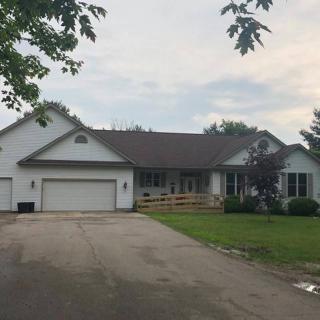

 Home Health Care Demystified: A Comprehensive Guide for Families and Caregivers
 Seniors and Modern Transportation: Exploring Uber, Lyft, and Other Ride-Hailing Options
 Comprehensive Guide to Qualifying for Home Health Care Services