
38295 East Horseshoe Drive, Clinton Township, MI 48038
For more information about senior living options: (866) 208-4318
Overall Review of Moravian West Community Residence
Pros
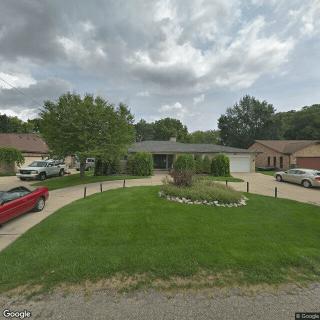
 The landscaping and upkeep are great.
- Management is good.
- Most residents are great.
- The board has been super responsive to inquiries.
- It is a quiet neighborhood and a great value for residents.
- There are no charges for meetings.
Cons
 Management is good but needs a better system to track problems and repairs.
- The other 10% watch outside their windows to report anything they can, because they don’t have anything better to do.
- The association gouges residents by charging high move-in fees.
- The association imposes ridiculous policies along with high association fees.
- New residents face a $200 orientation fee.
- There is limited storage space available.
- The patio furniture rule is overly restrictive.
Review
Moravian West Community Residence in Clinton Township is best suited for independent seniors around 65 and older who want a well-kept, quiet, and affordable environment with a strong sense of neighborly oversight. The grounds are attractive, and landscaping and upkeep contribute to a stable, home-like atmosphere. This is not a facility built for intensive care or high-end resort amenities; it is a contained living environment that emphasizes predictability, safety, and a practical sense of community. Families seeking vibrant programming, extensive on-site services, or highly flexible policies may want to consider alternatives that better match those needs.
Alternatives should be weighed by those who prize very low fees with explicit, transparent terms or who prefer a governance model that is less resident-driven. The community’s resident-led character can translate into manageable costs, but it can also yield higher or less predictable charges and rules that feel restrictive to some. Prospective residents who require robust, immediate maintenance or extensive outdoor living customization may find the approach here insufficient. Those seeking minimal oversight or a more centralized management structure may find other options simpler to navigate and cheaper in the long run.
The positives are tangible and meaningful. The setting itself offers a peaceful, aesthetically pleasing backdrop, with landscaping that holds up well and contributes to a calm daily routine. Management is widely described as responsive, and the board’s engagement helps sustain a quiet, neighborly vibe where residents watch out for one another. The overall value for money is recognized by many as strong, especially given the modest footprint of the community relative to broader market options. In short, for those who prize stability, a tidy campus, and a restrained pace of life, the baseline quality is compelling.
However, several drawbacks pull on the balance. A subset of residents is noted for actively reporting concerns, which can create a feeling of scrutiny or tension within the community. The call for a more rigorous system to track problems and repairs suggests occasional lapses in communication and accountability. Outdoor space rules, specifically restrictions on furniture or items in front of homes, and limited storage space can be burdensome for households with a fair amount of belongings or outdoor-use equipment. Fees also loom large in the narrative, with at least one account of a substantial move-in cost and others contesting the fairness or transparency of charges; conflicting impressions around a $200 fee for orientation or meetings illustrate the need for careful document review.
These strengths and weaknesses interact in a way that favors a pragmatic decision to proceed with clear caution. When leadership is quick to respond and neighbors cooperate, the community delivers a dependable, low-stress environment that supports aging in place with dignity. The quiet neighborhood and mutual aid among residents reduce the practical friction of daily living, particularly for those who value privacy and predictability. Yet the fees and policy rigidity cannot be dismissed; without transparent, written disclosure and a shared understanding of what constitutes reasonable charges, the upside can be offset by perceived costs and constraints.
For families weighing the choice, the prudent path is thorough due diligence. Obtain the latest fee schedule and governance documents, and request recent repair-response metrics. Talk to a cross-section of residents about how responsive the board actually is in practice, not just in marketing language. Verify storage options and patio rules in writing, and confirm whether any exceptions exist for personal or mobility-related needs. If a low-friction, less-regulated model is essential, or if abundant on-site services and flexible outdoor allowances are non-negotiable, other communities nearby may present more aligned options. When the figures align with the desired balance of independence, safety, and neighborly support, Moravian West stands out as a solid, practical choice for families prioritizing value, a stable environment, and a straightforward aging-in-place plan.
 6 resident community capacity
 Assisted Living
 Cable or satellite TV
 Dining room
 Fully furnished
 Garden
 Housekeeping services
 Move-in coordination
 Outdoor space
 Telephone
 Wi-Fi/high-speed internet available
 24-hour supervision
 Activities of daily living assistance
 Assistance with bathing
 Assistance with dressing
 Assistance with transfers
 Diabetes diet
 Meal preparation and service
 Medication management
 Special dietary restrictions
 Transportation arrangement (medical)
 Transportation to doctors appointments



 When to Transition from Assisted Living to Memory Care: Key Indicators, Steps, and Finding the Right Community
 Assisted Living and Memory Care: Understanding Their Core Differences
 Beyond the Bingo Hall: 50+ Enriching Activities for Seniors in Assisted Living