
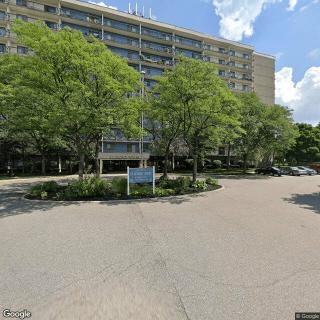
15821 19 Mile Road, Clinton Township, MI 48038
For more information about senior living options: (866) 208-4318
Overall Review of American House Lakeside II
Pros
 The staff at Baldwin House Lakeside is amazing and goes above and beyond.
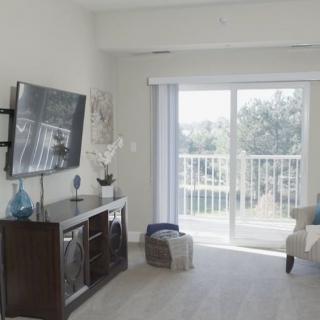
- The apartments are lovely, newly remodeled, clean, and practical for those who need assistance.
- The social director is commended for organizing fun events for residents.
- The facility provides peace of mind and excellent care for loved ones.
- The dining hall offers great food and a variety of activities that keep residents engaged.
- Lois and the staff are kind, helpful, and go the extra mile.
Cons
 They would give zero stars and advise not to put a family member there.
- They report that services were removed at one building, including no food on weekends and no housekeeping, leaving residents on their own—shameful.
- They describe the place as disgusting.
- They warn that the facility has bedbugs and urge not to take a family member there.
- They note that a family member was miserable while living there at one point.
Review
American House Lakeside II is best suited for seniors who want an active, socially rich independent-living environment with ready access to assisted services and a team that treats residents as individuals. The community excels for those who value well-appointed, recently remodeled apartments, reliable housekeeping, balanced dining options, and a robust calendar of events that keeps residents connected. It is especially strong for families seeking peace of mind: a caring on-site medical presence, staff who know residents by name, and a social director who consistently delivers engaging activities that prevent isolation and foster a sense of belonging.
Those weighing alternatives should consider whether the facility can deliver consistent, predictable service across its footprint. In particular, families needing uniform weekend meals, steady housekeeping, and trouble-free routine maintenance without surprises may find the two-building setup challenging. A few reviewers flag discrepancies between buildings or evolving service levels, which can translate into real differences in day-to-day experience. For residents with heavier medical needs or a on-site care plan that must stay constant, it’s prudent to compare what is guaranteed in the contract and to clarify which building the loved one will inhabit, since service scope can differ.
On balance, the strongest positives anchor decision-making here. The staff is repeatedly described as compassionate, attentive, and relational, people who know residents, celebrate small milestones, and make daily routines feel manageable. Apartments are spacious, clean, and practical for assisted living when needed, while housekeeping, laundry, and prepared meals help maintain independence longer. The social calendar, fitness options, and the presence of a capable medical team contribute to a sense of security and vitality. Across multiple testimonials, families credit the community with restoring or preserving independence, reducing caregiver anxiety, and providing a real sense of home rather than institutional care.
Yet several concrete concerns temper that strength. A notable critique centers on service disruptions in one of the two buildings, including reports of no food on weekends and reductions in housekeeping and other services. Even if these conditions reflect a transition or a specific building’s management, they represent meaningful gaps for families evaluating long-term reliability. Another serious flag comes from a review alleging bedbugs, which, if substantiated or recurring, undermines comfort, trust, and ongoing satisfaction. Additional comments about showers not being serviced to the requested standard or menus not matching orders highlight that details of daily life can drift, underscoring the importance of verifying current practices and requesting explicit service level commitments before move-in.
These trade-offs require careful diligence. The offsetting factors, the genuine warmth of the staff, the sense of community, the consistent access to meals and housekeeping, and the ability to maintain independence in comfortable apartments, are compelling for families prioritizing social engagement and dependable daily routines. However, the potential for uneven service between buildings and the pest-related concerns are not trivial. If choosing this community, it is essential to demand current, written confirmation of what services are guaranteed in the building where the loved one will reside, and to press for transparent pest-control history, a clear escalation path for service gaps, and concrete meal schedules that guarantee weekend options.
Practical next steps for families: arrange tours focusing on the building that will house their loved one, and request live demonstrations of daily care routines, meal service, and housekeeping, as well as a copy of the current activity calendar. Review the contract line-by-line to confirm which services are included and which incur add-on fees, and seek a floor plan that reflects realistic space, storage, and accessibility needs. Speak with current residents and families about their ongoing experiences, and probe the existence of any pest-control program, recent disruptions in service, and how management handles maintenance requests. Finally, compare with nearby alternatives that offer uniformly delivered services, especially around weekends and essential daily needs, to ensure the chosen path aligns with the loved one’s medical needs, personality, and the family’s risk tolerance.
In summary, American House Lakeside II stands out for its people, its resident-centered culture, and its ability to restore independence through engagement and support. For seniors who prize an active social life, reliable daily living support, and a residence that feels like home, the community is a strong choice, provided that current service guarantees are verified and any concerns about consistency, building-specific offerings, or pest control are explicitly addressed. If unwavering, uniform service across all facilities and a pest-free environment are non-negotiables, it would be wise to compare closely with alternatives that can deliver those assurances with equal warmth and a similar quality of life.
 164 resident community capacity
 Assisted Living
 Air-conditioning
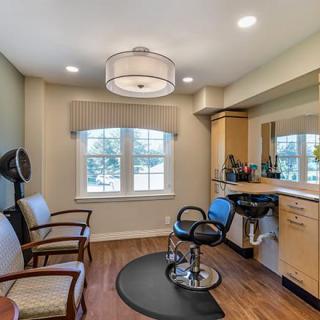
 Beauty salon
 Cable or satellite TV
 Computer center
 Dining room
 Fitness room
 Fully furnished
 Gaming room
 Garden
 Housekeeping services
 Kitchenette
 Move-in coordination
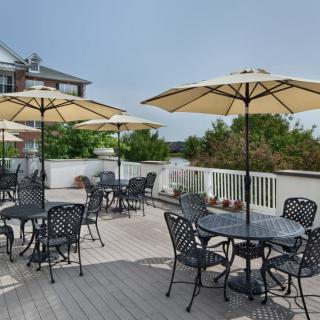
 Outdoor space
 Private bathrooms
 Restaurant-style dining
 Small library
 Telephone
 Wellness center
 Wi-Fi/high-speed internet available
 Community operated transportation
 12-16 hour nursing
 24-hour call system
 Activities of daily living assistance
 Assistance with bathing
 Assistance with dressing
 Assistance with transfers
 Diabetes diet
 Medication management
 Mental wellness program
 Special dietary restrictions
 Concierge services
 Planned day trips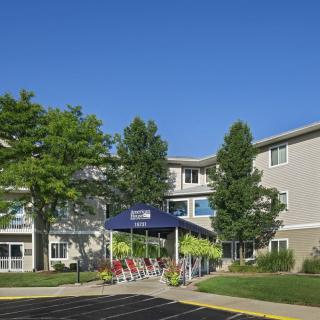



 Vibrant Senior Living: A Comprehensive Guide for Active Older Adults
 When to Transition from Assisted Living to Memory Care: Key Indicators, Steps, and Finding the Right Community
 Assisted Living and Memory Care: Understanding Their Core Differences