
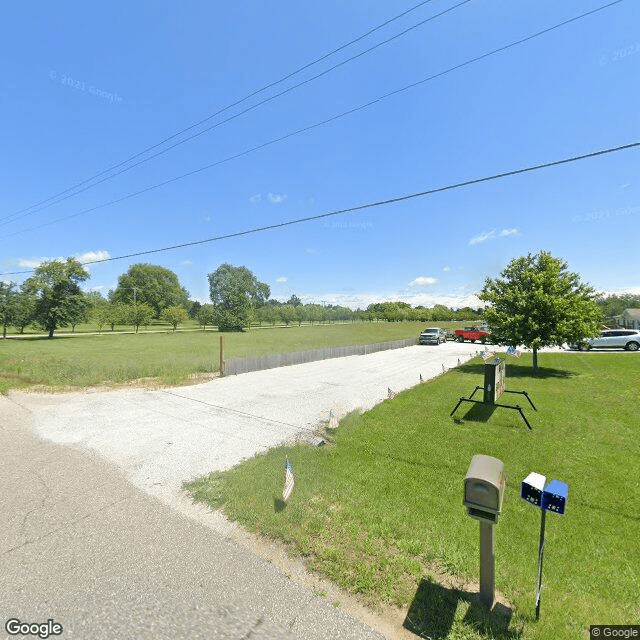
1359 South Colling Road, Caro, MI 48723
For more information about senior living options: (866) 208-4318
S&D Senior Living Home Costs & Pricing
S&D Senior Living Home offers a competitive pricing structure for its private rooms, with a monthly cost of $1,825. This figure is significantly lower than both the average costs in Tuscola County, which stand at $3,497, and the broader state average in Michigan at $3,675. By providing affordable accommodations without compromising on quality care or comfort, S&D Senior Living Home positions itself as an appealing option for families seeking senior living solutions that prioritize both value and well-being. This pricing strategy not only makes it accessible to more residents but also reflects a commitment to serving the community's needs effectively.
| Floor plans | S&D Senior Living Home | Tuscola County | Michigan |
|---|---|---|---|
| Private | $1,825 | $3,497 | $3,674 |
Assisted Living communities with a similar price nearby
-
from -$325 / mo

Woodland Acres
$1,500 to $3,000 / month21.0 miles away -
from -$325 / mo

Medallion Village
$1,500 to $2,400 / month18.0 miles away
Overall Review of S&D Senior Living Home
Pros
Cons
 The reviewer notes that the business's phone is out of order and does not work.
- They claim they cannot leave zero stars and that system won't allow it.
- They state their mother was left in the facility's care, and they are glad she is no longer there.
- The room's temperature was 79 degrees and the AC was not turned on.
- They allege unfinished lunch was given again for dinner.
- The reviewer says staff were not in a hurry to help her on and off the commode.
- They report the facility was reported to the state and the mother was isolated from other residents.
- They contend she was moved to a different facility without notice and without contacting the family.
- They assert the mother was verbally and emotionally abused and the facility's license has been suspended and is under state review.
Review
S&D Senior Living Home in Caro, MI is best suited for families that can provide relentless oversight and insist on immediate, reliable care, because the available feedback points to serious operational and safety concerns that would require constant, vigilant monitoring by relatives or guardians.
Anyone evaluating this community should seriously consider alternatives. A facility that has faced a state license suspension and reports of abuse, rapid staff turnover, and communication breakdowns is typically not a stable or safe choice for most residents. If safeguarding a resident’s dignity, predictable routines, and dependable response times are nonnegotiable, other options with documented compliance, transparent operations, and solid human-safety credentials should be pursued instead.
The strongest impressions from the reviews are the most troubling: a phone system repeatedly labeled out of order, signaling administrative unreliability; a living environment where room temperatures were not managed and the AC was allegedly left off; meals mishandled by retrial of uneaten food rather than honoring dietary preferences; and caregivers who were not timely in assisting with transfers or with toileting. Compounding these care gaps are claims of verbal and emotional mistreatment, an abrupt relocation of a resident without family notification, and a troubling pattern of reporting concerns to authorities only after the situation became untenable. The license status, allegedly suspended and under state review, casts a long shadow over day-to-day safety, oversight, and accountability. When residents’ families fear for others still in the facility, the cumulative risk rises beyond the margin of error.
There are no credible, durable positives in the reviews that would meaningfully offset these core failures. The absence of constructive care experiences, reliable communication, or stable operations leaves the cons to dominate the decision calculus. Even if one were to identify a benign home-like setting as a potential advantage, without consistent staffing, responsive management, and compliance with regulatory expectations, such benefits become fragile and unreliable. In practical terms, the safety and quality deficiencies far exceed any ambiguous comfort factors that might exist.
For families still weighing the option, perform a focused due-diligence sprint. Check the latest state licensing and inspection records to confirm current status and any ongoing enforcement actions. Request a complete list of deficiencies and corrective plans, along with timelines. Schedule a visit that includes unscripted time with actual staff and several nonverbal checks, observe how residents are treated, how quickly aides respond, and whether basic needs appear to be met with respect and dignity. Speak directly with current residents or their families, if possible, and ask concrete questions about temperature control, meal handling, privacy, and emergency communication. Verify the presence of a transparent complaint process and how concerns are escalated and resolved, not merely documented.
In the end, the prudent course is clear: steer toward communities with verifiable regulatory compliance, stable operations, and proven responsiveness, especially for residents who require consistent personal care and a safe, predictable environment. If this community remains under consideration, demand comprehensive disclosures, confirm immediate remediation plans, and insist on ongoing, uncompromising supervision of care standards. The risk calculus strongly favors choosing alternatives where safety, dignity, and regulatory reliability are demonstrably prioritized.
 12 resident community capacity
 Assisted Living
 Board and Care Home
 Cable or satellite TV
 Dining room
 Fully furnished
 Garden
 Housekeeping services
 Move-in coordination
 Outdoor space
 Private
 Telephone
 Wi-Fi/high-speed internet available
 24-hour supervision
 Activities of daily living assistance
 Assistance with bathing
 Assistance with dressing
 Assistance with transfers
 Diabetes diet
 Diabetic care
 Meal preparation and service
 Medication management
 Special dietary restrictions
 Transportation arrangement (medical)
 Transportation to doctors appointments
 Intimate, memory-care focused community with 24/7 supervision and comprehensive services.


 Funding and Affording Assisted Living: A Thorough Overview
 Assisted Living Expenses and Long-Term Care Insurance: A Comprehensive Exploration
 Securing Financial Support for Assisted Living: A Comprehensive Overview