

1601 W Gilford Rd, Caro, MI 48723
To contact a resident: (517) 673-8158
For more information about senior living options: (866) 208-4318
Overall Review of Caro Senior Commons
Pros
 It is a great, happy place where everyone is nice and chill.
- It is nice.
- It is a nice place for seniors who live on fixed income.
Review
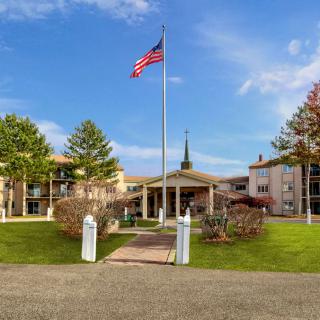
Caro Senior Commons in Caro, MI is best suited for independent-minded seniors who want a warm, affordable, low-drama living environment and place a premium on everyday friendliness and a sense of neighborhood. The chatter in the community seems to lean toward a cheerful, relaxed vibe where residents and staff come across as approachable and easygoing. It appeals especially to those who live on fixed income and are looking for predictable costs without sacrificing a welcoming social atmosphere. For seniors who do not require intensive, around-the-clock medical support or specialized memory care, this community offers a credible path to comfortable, stress-free living that centers on companionship and everyday practicality rather than high-end polish.
Those who should consider alternatives will be looking for more robust care structures or a broader menu of services. If daily assistance, structured programming, or easy access to on-site healthcare are essential, this setting may fall short without additional clarity on what is actually available. Families seeking a more cosmopolitan environment, more diverse dining options, or a larger campus with a wider range of activities could find other options that better align with those expectations. In short, the strongest caveat is the limited information about the depth and breadth of care and programming; for residents with evolving needs, that lack of detail is a meaningful reason to explore other communities.
The core pros, an upbeat, “happy” atmosphere and genuinely nice people, work powerfully to offset some uncertainties. When residents describe Caro Senior Commons as a place where everyone is nice and the mood is chill, it signals a low-stress, homey setting that can ease anxiety for new movers and older adults who value social warmth over formality. The affordability angle, particularly for those on fixed incomes, adds a crucial layer of relief, making an otherwise tight budget more manageable. In practical terms, the combination of affordable rates and a pleasant social climate can translate into a lifestyle that preserves independence longer, encourages participation in simple, unforced activities, and reduces the isolation that too often accompanies aging in place.
Yet the same pros illuminate the main gaps. The reviews offer little detail about meal quality, transportation options, housekeeping frequency, or the exact level of daily living assistance available. That lack of concrete information makes it harder to evaluate whether the pros truly align with personal needs, especially for residents who anticipate needing more hands-on help or more structured activity calendars. The absence of explicit data on staff stability, care plans, or supervision means the positive character of the community may not automatically translate into reliable daily support for everyone. For families weighing options, these ambiguities become decisive: the warmth of the environment matters, but not if it cannot consistently meet essential care or logistical expectations.
From a practical decision-making standpoint, prospective residents should move with a targeted checklist. First, secure a transparent breakdown of costs and what is included, meals, transportation, housekeeping, emergency response, and any assisted-living add-ons. Second, request a candid conversation about care levels: what assistance is available daily, how quickly staff respond, and what specialized services (if any) exist on-site. Third, assess the activity slate and social life: is there a steady cadence of events, clubs, or outings that match personal interests, or is participation largely optional and low-key? Fourth, talk directly to current residents and staff during tours to gauge consistency, responsiveness, and the overall tempo of the day. Finally, if possible, arrange a short-term stay or trial period to observe firsthand how well routines, meals, and supports align with expectations.
The bottom-line verdict is practical and clear. Caro Senior Commons presents a viable, compelling option for seniors who prize a friendly, affordable, low-stress living environment and are comfortable with a lighter-touch level of direct care. It is especially attractive for those who want to stay connected with a small, supportive community without paying premium prices for high-end amenities. However, for families or residents who anticipate needing more robust daily assistance, guaranteed stability in programming, or deeper transparency about on-site care capacity, alternatives with clearer care contours should be pursued. In the right circumstances, Caro Senior Commons can deliver a satisfying blend of affordability, warmth, and ease; in others, it will be insufficient to meet evolving health or mobility needs.
 Board and Care Home



 Home Health Care Aides: Understanding Their Role and Supporting Your Family
 Urinary Tract Infections in Older Adults: Comprehensive Insights on Symptoms, Treatment, and Prevention
 California's Form 602A: An In-Depth Examination of Senior Care Assessment