
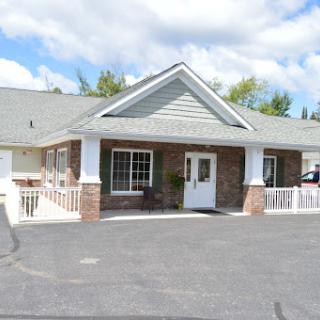
440 Seneca Place, Cadillac, MI 49601
For more information about senior living options: (866) 208-4318
Overall Review of Seneca Place Home
Pros
 The staff are very caring and go out of their way for residents.
- The facility is clean and well maintained.
- Nicole is friendly and goes above and beyond to help.
- The dining area is beautiful and there is a pleasant lounge for residents.
- The food is great and staff promptly attend to residents’ needs.
- Samaritas is described as a beautiful nursing home worth considering.
Cons
 They take horrible care of the residents.
- The management team is a joke; they lie and cover up staff assaults.
- They keep residents for a long time but only give 30 minutes of physical therapy per day, and they don’t do therapy on weekends, effectively milking insurance.
- The care and treatment are horrible and neglectful.
- The staff are grossly understaffed and treated like indentured servants, working half days without breaks.
- The place was a total disappointment with disgusting quality of care and rude staff (notably the desk manager in the dementia wing).
- The reviewer felt the facility was like a prison for residents.
Review
Seneca Place Home in Cadillac is best suited for families seeking a clean, approachable environment where staff are generally kind and residents can enjoy a solid daily life with assistance and light rehabilitation. The facility shows its strengths when a resident mainly needs help with everyday activities and modest therapy, and when the family values a well-maintained building, welcoming common spaces, and responsive dining. It works best for those who can tolerate some variability in day-to-day care and who are prepared to stay actively involved, asking questions, checking schedules, and voicing concerns, because outcomes across reviews are uneven. For anyone requiring aggressive or guaranteed therapy regimens, continuous medical oversight, or highly specialized dementia care, this community is less reliable and may prompt consideration of stronger alternatives.
Those who should consider alternatives are families that hinge on consistent, well-documented care. If safety and administrative transparency are non-negotiable, the mix of feedback suggesting understaffing and uneven leadership becomes a red flag. For loved ones with complex medical needs or mobility challenges that demand reliable, full-time therapy and supervision, including weekends, the reported gaps in therapy time and weekend coverage are troubling. In addition, accounts of management missteps or perceived evasiveness raise concerns about accountability and prompt a closer look at whether a more tightly run facility would deliver the peace of mind required. In short, for residents who require steady rehabilitation, clear communication, and rigorous oversight, other Cadillac options may offer better alignment.
On the upside, there are tangible strengths that consistently show up on the better days. The building’s cleanliness and inviting public spaces create a calm, livable atmosphere that families notice and appreciate. When staff are fully engaged, residents frequently receive attentive, compassionate care, and the presence of a well-equipped physical therapy area serves as a meaningful resource for mobility and daily exercise. Several accounts point to staff members who go above and beyond, building genuine rapport with residents and families alike. The dining environment and social spaces also support a sense of normalcy and routine, which can matter a great deal for mood and engagement. Taken together, these positives illustrate what the community can deliver when staffing and morale align.
Yet the flip side is hard to ignore and cannot be downplayed. A pronounced theme across reviews is understaffing and fatigue among aides, which spills into inconsistent care and slower response to needs. Management and administrative communication appear to be a frequent source of frustration, with several posts describing disconnects or evasive behavior when concerns arise. The most concrete rehab concern is the discrepancy between desired therapy intensity and the reality of around 30 minutes of daily therapy, with little to no sessions on weekends. Personal care lapses, such as residents waiting for assistance or receiving curt or rude treatment from some staff or leadership, are repeatedly cited. The gulf between the facility’s clean, pleasant environment and the experience of care on tougher days is wide, and that tension is the core risk for families weighing this choice.
When the positives and the negatives collide, the decision hinges on risk tolerance and the ability to supervise care. The clean environment, friendly frontline staff, and a strong therapy room can translate into real quality-of-life gains where staffing supports consistent engagement. However, the same positives become unreliable when turnover spikes, communication falters, or therapy time is consistently underutilized. The result is a facility that can feel safe and comfortable on good days, yet carry an undercurrent of uncertainty that erodes trust over time. For families capable of rigorous oversight and who can tolerate occasional discomfort in exchange for the possibility of decent day-to-day living, Seneca Place Home offers a viable option. For those who cannot tolerate administration gaps or inconsistent rehab delivery, it is prudent to search elsewhere.
Actionable guidance for families pursuing this community is clear. Begin with a deliberate due-diligence phase: request candid conversations with leadership, obtain a transparent tour of therapy schedules, staffing rosters, incident logs, and care-planning processes. Seek live observations of daily routines, especially in the rehab and bedside-care areas, to verify how staff respond to needs and how therapy is integrated into daily life. Ask for concrete examples of care-plan updates and how concerns are escalated and resolved. If feasible, arrange a trial period with clearly defined milestones and exit criteria to assess whether the care trajectory meets expectations. If reliable rehab intensity, consistent staffing, and transparent leadership are non-negotiables, compare against other Cadillac-area facilities that publicly demonstrate stronger performance in therapy delivery, staff stability, and quality assurance, and choose the option that offers predictable, high-quality care and genuine peace of mind for the resident and family.
 6 resident community capacity
 Assisted Living
 Cable or satellite TV
 Dining room
 Fully furnished
 Garden
 Housekeeping services
 Move-in coordination
 Outdoor space
 Telephone
 Wi-Fi/high-speed internet available
 24-hour supervision
 Activities of daily living assistance
 Assistance with bathing
 Assistance with dressing
 Assistance with transfers
 Diabetes diet
 Meal preparation and service
 Medication management
 Special dietary restrictions
 Transportation arrangement (medical)
 Transportation to doctors appointments



 8 Key Indicators That Suggest It May Be Time to Transition from Assisted Living to Skilled Nursing Care
 Vibrant Senior Living: A Comprehensive Guide for Active Older Adults
 When to Transition from Assisted Living to Memory Care: Key Indicators, Steps, and Finding the Right Community