
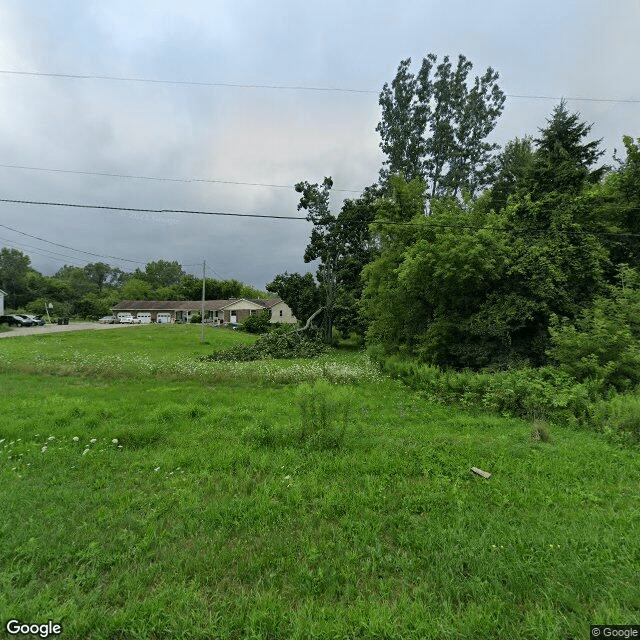
8949 Clyde Park, Byron Center, MI 49315
To contact a resident: (616) 277-1450
For more information about senior living options: (866) 208-4318
Rehoboth Pines Costs & Pricing
Rehoboth Pines offers a competitive pricing structure for its private rooms, set at $2,500 per month. This rate is notably lower than both the average costs in Ottawa County, which stand at $3,513, and the broader state average of $3,675 in Michigan. Such pricing not only reflects Rehoboth Pines' commitment to affordability but also highlights its intention to provide quality care without compromising on essential services. Residents can benefit from this appealing cost advantage while enjoying a nurturing environment tailored to their needs.
| Floor plans | Rehoboth Pines | Ottawa County | Michigan |
|---|---|---|---|
| Private | $2,500 | $3,513 | $3,674 |
Senior living communities with a similar price nearby
-
About the same

Hubert Assisted Living Home Care
$2,550 to $4,200 / month5.8 miles away -
About the same
Platinum Living of Michigan - Kentwood
$2,500 / month5.1 miles away -
About the same
Sheldon Meadows Living Center
$2,550 to $4,000 / month12.0 miles away -
from +$155 / mo
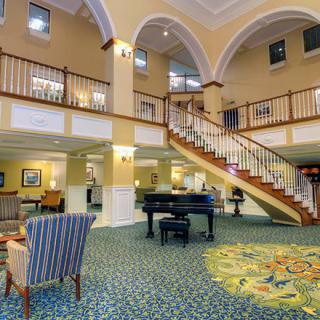
Freedom Village ( Holland )
$2,655 to $5,965 / month21.0 miles away -
About the same
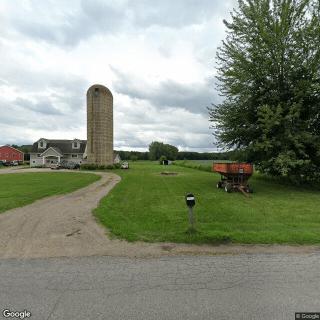
Barn Swallow Manor
$2,500 / month0.8 miles away
Overall Review of Rehoboth Pines
Pros
 Rehoboth is a loving, close, active home.
- Residents enjoy home-made meals, crafts and activities, old-time music on the record player, and trips to different locations.
- They go to a park to enjoy live music, fishing, or simply time with family and each other.
- They have taken trips to lunch, to see the tulips in Holland, to Meijer Gardens, or to a movie.
- Jenn is amazing at keeping the residents busy and happy inside the home and out.
- The new addition will bring even happier residents with more activities, companionship, and room to roam.
- The staff are caring and the home is full of fun.
- The grandfather enjoys his time there, and the staff keep residents busy and interactive.
- The place is wonderful with caring staff and lots of activities.
- The staff are friendly and keep residents busy and connected with those around them.
- The staff and owner treat residents like family.
- The grandmother is well cared for; the place gives dignity and a warm, cozy, family-like home.
Cons
 The reviewer warned against taking elders there, calling the facility extremely immoral and alleging they would kill a dog with no consequences.
Review
Rehoboth Pines in Byron Center, Michigan is best suited for seniors who want a warm, intimate, home-like assisted living experience where daily life centers on companionship, home-cooked meals, and participatory living. It serves residents who value a tight-knit community, frequent social activities, and caregiver attention that feels personal rather than clinical. The setting works well for older adults who enjoy regular outings to parks, tulip-town excursions, Meijer Gardens, and local venues, and who appreciate staff who treat residents as family. Those seeking a large campus, extensive medical oversight, or a highly structured memory-care environment should consider alternatives with a broader clinical footprint. In short, this is a small, private home atmosphere with big-heart staffing.
The resident experience here leans heavily on engagement and accessibility. Reviewers consistently describe homemade meals, crafts, and a schedule that keeps people busy and connected. The atmosphere is portrayed as loving, close, and active, with outings that include live music, fishing, and time with family. A new addition promises even more activities, companionship, and room to roam, signaling ongoing investment in quality of life. Residents commonly participate in trips to lunch spots, garden venues, and local attractions, creating a rhythm that blends independence with supportive structure. A standout staff member, particularly Jenn, is highlighted for keeping residents engaged inside and outside the home, underscoring a hands-on, relational approach that defines daily life.
Staff culture emerges as a defining strength. Families consistently report care that feels respectful, warm, and family-like, with owners and directors described as friendly and genuinely involved. The caregiving approach tends to blur the line between staff and extended family, producing deep, ongoing bonds. This relational care translates into observable outcomes: residents appear happier, more interactive, and better nourished, with anecdotes about weight gain and steady attention from caregivers. The recurring message is that the environment prioritizes dignity and personal connection, turning daily routines into meaningful, individualized experiences rather than routine tasks.
Programmatic life at Rehoboth Pines centers on connection and continuity. The new addition is framed as expanding opportunities for companionship and meaningful activity, not merely increasing square footage. The resident community is active, meals, crafts, performances, and group outings create a social cadence that reduces isolation and reinforces purpose. Families emphasize how staff invite participation and feedback, reinforcing a sense of belonging and shared mission. This combination of intimate setting and robust social programming makes the facility feel less like a measured medical ward and more like a well-loved neighborhood home where seniors can thrive with support.
A practical caveat exists alongside the strength of its culture. One highly negative review stands in stark contrast to the majority, reminding prospective families to weigh outlier voices against the prevailing consensus. While such vitriol is rare in this context, it underscores the need to investigate personally, to confirm the depth and consistency of care on a visit. Location is another factor: Byron Center sits south of Grand Rapids, which can be a consideration for families seeking quick access to city amenities or hospital networks. For residents requiring heavy medical oversight, intensive memory-care programming, or a larger campus with broad on-site services, alternatives with a bigger clinical footprint may be more appropriate.
Overall, Rehoboth Pines stands out as a practical choice for families seeking an intimate, activity-rich, and affectionate assisted living that treats residents like family. When the priority is a nurturing daily rhythm, meaningful social connections, and staff who routinely go the extra mile, this community delivers. Potential residents should be comfortable with a smaller, private-setting footprint and should temper expectations about expansive clinical infrastructure. Those who value a vibrant activity calendar and a genuine sense of belonging will find the fit compelling; those needing advanced medical services or extensive campus amenities should actively compare alternatives and arrange visits to assess staffing ratios, responsiveness, and the true warmth of day-to-day care.
 Board and Care Home
 Private
 Kent County International (10 miles away)
 Understanding the Nuances of Palliative Care and Hospice: A Comprehensive Exploration
 Is In-Home Healthcare Tax Deductible? Your Comprehensive Guide
 Nurturing Well-Being Through Gardening: A Detailed Guide for Senior Enthusiasts