
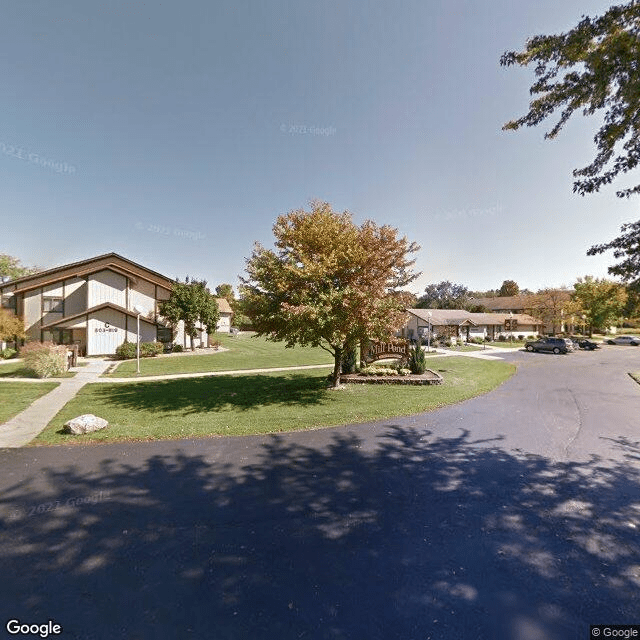
800 E Smith St, Buchanan, MI 49107
To contact a resident: (616) 695-0475
For more information about senior living options: (866) 208-4318
Overall Review of Mill Pond Apartments
Pros
 The community has a warm home feeling.
- The apartments are beautiful.
- Mill Pond is a great place with very nice staff and maintenance on top of issues.
- It is very clean and residents are not bothered by bugs.
- The neighbors stay out of everyone’s business, contributing to privacy.
- The neighborhood is nice and quiet.
- The senior independent living is nice.
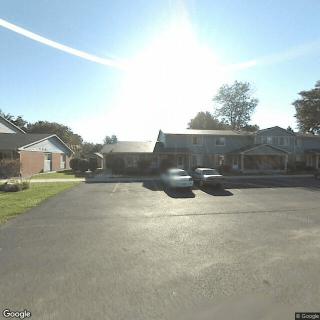
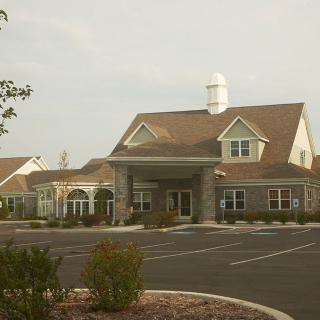
- The community is well taken care of; buildings look great and the grounds are well maintained.
- It is a great place for those who are alone and want to be around people.
- The office staff are friendly and helpful.
- There is a handyman on site.
- Emergency pull strings are available in bedrooms and bathrooms.
Cons
 The place is described as an awful place to live.
- The manager, Dawn, is seen as unfit to work around residents and is rude and disrespectful to them.
- The property is infested with bedbugs.
- Outside safety lights have not worked for months.
- There is only one working washer and one working dryer for three buildings.
- The manager is threatening and rude toward residents and talks about other residents.
- Grounds are poorly kept, and the buildings inside smell and are not clean.
- Despite the rent being reasonable, essential appliances do not function properly.
- The manager blames residents for overloaded machines instead of fixing them.
Review
Mill Pond Apartments in Buchanan, MI is best suited for low-income seniors and adults with disabilities who want independent, apartment-style living with an emphasis on affordability, practical safety features, and a community feel. The rent structure being income-based helps families manage fixed budgets, and the property offers tangible conveniences: an elevator for second-floor access, an on-site handyman, and emergency pull cords in bedrooms and bathrooms. Reviewers repeatedly highlight a warm, quiet, neighborly atmosphere and well-kept grounds, with several noting that the apartments themselves are attractive and the complex is well maintained. The presence of resident captains and responsive office staff adds to a sense that help is available when needed, even after hours. A one-year waiting list signals strong demand and a potential path to stability for those prepared to wait.
However, this is not a one-size-fits-all option. Prospective residents with concerns about pest control, consistent maintenance, or respectful, professional management should consider alternatives. Allegations of bedbug infestations have surfaced in multiple reviews, alongside complaints about a manager described as rude and disrespectful by some residents. Safety conditions are called into question by reports that outside safety lights have been out for months and that shared laundry facilities are inadequate, only one washer and one dryer working across three buildings. Grounds are praised by some as well-kept, but others say upkeep relies on a small group of residents. These factors can erode trust and safety for anyone who relies on dependable, predictable service.
The strongest positives land on habitability and accessibility. Clean apartments, a quiet environment, friendly neighbors, and a sense of community make Mill Pond appealing to seniors who want companionship without sacrificing independence. Maintenance is described as responsive, and issues are addressed promptly, which significantly reduces daily stress for residents. The on-site handyman, elevator access, and emergency pull cords contribute practical value for mobility-challenged tenants. Rent-based affordability paired with social infrastructure, office staff described as supportive and helpful, underscores Mill Pond’s value proposition for low-income households. When these routines function well, the overall living experience can feel stable and reassuring, offsetting the days-to-days inconveniences that accompany budget-minded senior housing.
Yet the cons carry substantial weight. The bedbug issue, whether isolated or recurring, would be unacceptable to many families, and even the perception of pests can undermine confidence in a community’s maintenance culture. Safety-related concerns persist in the form of unreliable exterior lighting, which compromises nighttime security and signals weak property oversight. Laundry infrastructure is threadbare across three buildings, forcing residents to shuttle between locations for a single working machine. Smells in interior corridors and inconsistent grounds maintenance described by some residents hint at broader management and operational gaps. Taken together, these issues may erode long-term satisfaction, especially for tenants who require predictable routines, strong pest control, and rigorous facility upkeep.
For families weighing options, a pragmatic checklist makes the decision clearer. Verify current status of bedbug remediation, pest control schedules, and whether any remediation plans are in place; confirm the operational status of exterior lights and the plan for repair if lights fail again. Inspect laundry facilities and ask for a transparent repair timeline and a plan to upgrade equipment if needed. Request recent resident references about management interactions and maintenance responsiveness, and tour multiple buildings to observe smell, cleanliness, and overall ambiance. Given the one-year waiting list, explore interim housing or other independent-living communities while pursuing admission, but keep Mill Pond on the short list if affordability and social engagement are priorities.
In sum, Mill Pond Apartments represents a practical, budget-conscious choice for seniors and disabled adults who prize a friendly, well-kept, apartment-oriented lifestyle with accessible services and a small-community vibe. The positives, clean spaces, a quiet atmosphere, responsive maintenance, and rents aligned with income, can deliver real peace of mind when operations run smoothly. The downsides, pest concerns, inconsistent lighting, limited laundry resources, and mixed management perceptions, pose significant caveats for households where reliability and safety are non-negotiable. Families should approach with a concrete plan: visit, verify current conditions, and gather firsthand resident feedback before deciding, and be prepared to pursue alternatives if the operational gaps remain unresolved.
 Active Adult Communities (55+)
 South Bend Regional (8 miles away)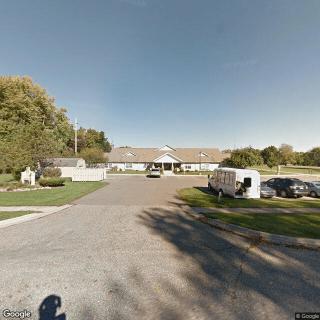



 Comprehensive Insights into Palliative Home Care: What It Is and What to Expect
 Skilled Nursing Facilities vs. Nursing Homes: Making Sense of the Differences
 A Detailed Examination of Nursing Home Costs Across the U.S.