
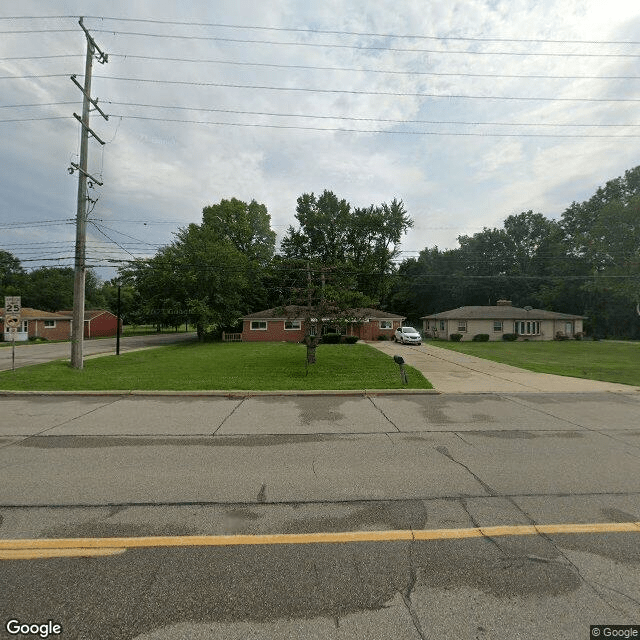
42901 Tyler Road, Belleville, MI 48111
To contact a resident: (734) 846-6988
For more information about senior living options: (866) 208-4318
The Tyler Home Costs & Pricing
The Tyler Home offers a competitive pricing structure for its services, particularly in comparison to the broader context of Wayne County and the state of Michigan. At $1,500 per month for a private room, The Tyler Home stands out as an affordable option, significantly lower than the county average of $3,335 and the state average of $3,675. This pricing not only reflects The Tyler Home's commitment to providing high-quality care at accessible rates but also highlights its value proposition in a market where costs can often be prohibitive for many families seeking care options. Overall, residents at The Tyler Home can expect to receive exceptional care without the financial burden typically associated with similar facilities in the area.
| Floor plans | The Tyler Home | Wayne County | Michigan |
|---|---|---|---|
| Private | $1,500 | $3,335 | $3,674 |
Senior living communities with a similar price nearby
-
About the same
Tendercare Residential Services
$1,500 to $3,095 / month15.4 miles away -
from -$200 / mo
Assure Residential Care
$1,300 to $2,000 / month24.6 miles away -
About the same
Mother Cabrini Home #1
$1,500 to $4,200 / month20.5 miles away -
from -$100 / mo
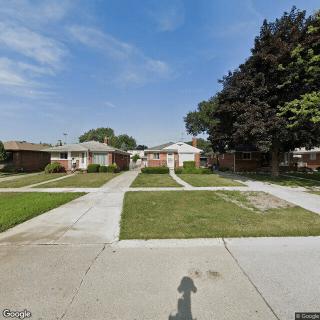
Better Life AFC
$1,400 / month10.9 miles away -
About the same
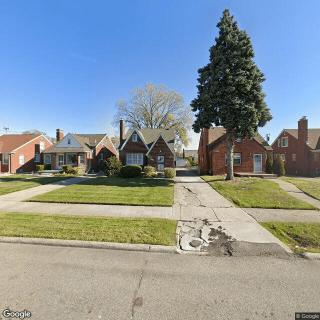
Blue Care Assisted Living
$1,500 to $2,000 / month19.6 miles away
Overall Review of The Tyler Home
Pros
 Hampton Manor is described as the most caring, considerate, and family-like facility.
 - Jose, Taylor, and Helen are praised for attentive and compassionate service.
- The environment is warm, welcoming, and feels like home, with residents treated with dignity, patience, and respect.
- The facility is clean, well maintained, modern, and beautiful.
- The staff are welcoming, competent, compassionate, and efficient.
- Meals and housekeeping are fantastic, with residents noting consistently good food.
- The facility offers appealing amenities, including a theater room and a wonderful chef.
Review
The Tyler Home in Belleville is best suited for families seeking a warm, home-like assisted living experience where staff come across as truly caring, the environment feels welcoming, and daily life centers on dignity and friendly engagement. When a community can deliver staff who listen, respond with patience, and treat residents like family, it becomes a practical extension of home for an aging loved one. This kind of atmosphere, combined with clean, well-maintained spaces, and meals that residents look forward to, addresses the core emotional needs of comfort, companionship, and reassurance for families navigating care decisions.
Those who may want to consider alternatives are typically driven by different care realities or setting preferences. If a loved one requires highly specialized memory care programs, intensive medical oversight, or 24/7 skilled nursing, a facility with a stronger clinical focus may be more appropriate. Budget constraints, a preference for a smaller, intimate setting, or the need for very targeted rehabilitation services can also point families toward options that prioritize different priorities. In short, if the expectation is a highly medicalized or highly home-sized environment, it pays to compare deeply with other communities that emphasize those strengths.
The strongest pros observed in well-run communities, profound staff compassion, patient communication, a clean and modern setting, and appealing dining, often offset most common drawbacks when they are consistently delivered. The reviews pointing to a family-like culture, courteous, competent teams, and a facility that feels welcoming demonstrate how these attributes translate into peace of mind for families. Cleanliness and maintenance, together with a robust menu and attentive housekeeping, create daily life that is predictable in comfort and high in quality. When these elements are present, they can offset the tedium of routine and any minor scheduling frictions, making daily living feel orderly and dignified.
Another critical factor is how a community handles visitation, social engagement, and resident autonomy. The same positive narratives highlight the value of generous visitor access, opportunities for family participation in events, and spaces that feel comfortable for guests. Look for a campus that supports a lively social calendar, suitable common areas, and staff who actively foster resident interaction without sacrificing privacy or dignity. If The Tyler Home offers similar openness and a strong emphasis on resident-led activities, these aspects become meaningful differentiators that strengthen overall quality and satisfaction.
Practical questions to anchor the touring process should focus on how these strengths are delivered day-to-day. Inquire about staff-to-resident ratios across shifts, and whether turnover is high or steady enough to sustain relationships with caregivers. Ask about menu variety, dietary accommodations, and the cadence of meals to ensure meals are not only nutritious but genuinely enjoyable. Verify the cleanliness of common areas, the availability of private spaces for family conferences, and the ease of arranging transportation for appointments or outings. Finally, confirm the scope of services for memory care and rehabilitation, and whether the community can scale care if needs evolve.
The bottom line is clear: for families prioritizing a warm, dignified living experience with responsive, compassionate staff, substantial cleanliness, and robust opportunities for family involvement, The Tyler Home stands as a compelling option in Belleville. If the care needs tilt toward specialized memory programming, higher medical acuity, or a smaller, more intimate setting, it would be prudent to compare with alternatives that foreground those strengths. In the end, the best choice aligns with a residence that consistently delivers a home-like atmosphere, real staff engagement, and a living environment that makes every visit and every meal feel reassuring and right for both resident and family.
 Board and Care Home
 Activities on-site
 Devotional services off-site
 Indoor common areas
 Private
 Detroit Metropolitan-Wayne County (6 miles away)
 Ambulatory care
 Diabetic care
 Meals provided

 Comprehensive Insights and Practical Strategies to Help Older Adults Avoid Falls
 6 Crucial Ways an Elder Law Attorney Assists Families
 Navigating the Tax Landscape of Caregiving: Credits, Deductions, and Beyond