
1109 16Th Street, Bay City, MI 48708
For more information about senior living options: (866) 208-4318
Overall Review of Premier Care Assisted Living
Cons
 It is a health hazard because the resident keeps fish tanks in poor condition.
- She has kept multiple goldfish and bettas in poor conditions for a while.
- Every time a fish dies, she buys a new one and calls them “rescues.”
- This has caused outrage in many aquarium groups because experienced fishkeepers know goldfish need a minimum of 75 gallons to live long, healthy lives.
- People have tried helping her care for the fish properly, but she does not listen.
- A fish tank kept in poor conditions in a group home full of vulnerable people poses a huge risk of mycobacterium infections that would require surgery and possibly amputation and are extremely difficult to cure.
- It is probably best that the fish tanks are removed and that she no longer be allowed to keep fish tanks there anymore.
- There’s no phone number to call this facility.
Review
Premier Care Assisted Living in Bay City, MI is best suited for budgeting families seeking a straightforward, home-like assisted living experience where cost matters more than a polished, corporate operation. The community likely appeals to residents who are comfortable with a smaller, less formal environment and who value a neighborly feel over high-end amenities. It works for those who prioritize affordability and a simple care routine, provided safety and communication remain reliable.
Families should explicitly consider alternatives if strong, transparent governance is non-negotiable. For seniors needing robust safety oversight, clear incident tracking, and consistently responsive administration, this community may fall short. Also, if easy access to staff and administrators by phone or online is essential for peace of mind, other options with documented, reliable communication channels deserve emphasis. If strict infection-control practices and proactive management of resident-driven activities are top criteria, it is prudent to look at facilities with more formalized policies and better public reporting.
The positive elements that do surface in the favorable reviews suggest the setting can offer warmth and companionship when things run smoothly. A small-scale operation can translate into more personal attention and a homier daily rhythm, which many families value. When staff engagement appears steady and residents feel connected, that relational warmth can be meaningful, especially for individuals who prioritize social continuity and a familiar, low-pretension atmosphere over institutional precision.
Yet the most salient, tangible concerns overwhelm the potential upside. A resident-driven hobby, keeping fish tanks, emerged as a serious safety hazard due to poor maintenance and the risk of cross-contamination in a setting with vulnerable populations. The message here is clear: without rigorous supervision, even well-intentioned activities can create health risks that overshadow any perceived coziness or affordability. Additionally, the absence of a direct, easily reachable phone number to contact the facility signals a governance gap that makes family involvement and rapid problem resolution uncertain. When these gaps align with credibility questions about staff and communication, risk tolerance must be sharply tested.
From a practical decision-making perspective, the pros can’t reliably offset the main cons without a meaningful shift in operations. Warmth and cost savings are worth little if safety governance is inconsistent and lines of communication are opaque. Prospective families should demand concrete policies: documented safety procedures for resident activities, a clear point of contact for concerns, regular incident reporting, and verifiable staffing plans. Tour the facility with a checklist that probes how problems are escalated, how quickly administrators respond, and who bears accountability when safety or cleanliness lapses occur. Compare this against other Bay City options that publish policies, provide transparent pricing, and demonstrate steady, proactive management.
In the end, Premier Care Assisted Living is not a blanket endorsement for every family. It offers a budget-conscious, intimate option that may suit residents who can tolerate occasional governance hiccups in exchange for lower costs and a homier atmosphere. For families with high standards for safety oversight, visible leadership, and reliable, easy communication, alternatives are strongly advised. The decisive move is to visit multiple communities, scrutinize safety protocols and incident handling, and insist on written policies before committing. A robust decision involves weighing the comfort of a small, affordable setting against the non-negotiable need for dependable safety, transparency, and responsiveness.
 6 resident community capacity
 Assisted Living
 Cable or satellite TV
 Dining room
 Fully furnished
 Garden
 Housekeeping services
 Move-in coordination
 Outdoor space
 Telephone
 Wi-Fi/high-speed internet available
 Mbs International (11 miles away)
 24-hour supervision
 Activities of daily living assistance
 Assistance with bathing
 Assistance with dressing
 Assistance with transfers
 Diabetes diet
 Meal preparation and service
 Medication management
 Special dietary restrictions
 Transportation arrangement (medical)
 Transportation to doctors appointments
 Small, personalized care with comprehensive services.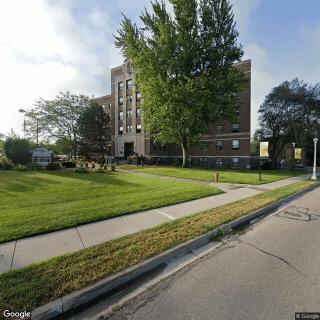




 8 Key Indicators That Suggest It May Be Time to Transition from Assisted Living to Skilled Nursing Care
 Vibrant Senior Living: A Comprehensive Guide for Active Older Adults
 When to Transition from Assisted Living to Memory Care: Key Indicators, Steps, and Finding the Right Community