
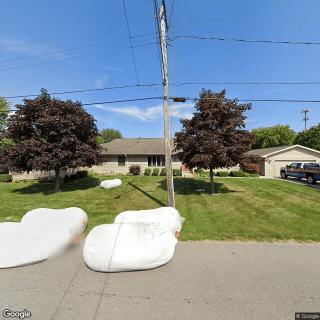
4443 Jean Street, Bay City, MI 48706
For more information about senior living options: (866) 208-4318
Overall Review of Jean Road Adult Foster Care
Pros
 The care given to Lottie was excellent.
- Autumn Ridge is described as the best home for a loved one, with Paula and her team treating residents like family from the moment they arrive.
- The home and its caregiving team are highly loved and highly recommended for quality care.
- The care at Autumn Ridge is amazing, with a loving and attentive staff focused on each resident’s needs.
- The staff at Autumn Ridge Gardens are amazing, treating everyone like family and continually going above and beyond.
- They are personable, compassionate, knowledgeable, and promptly address residents’ needs.
- Caregivers handle caregiving with style and grace, making the experience positive.
- Autumn Ridge is a family-owned home with clean facilities, homemade meals, activities, and outings.
- The staff are caring and professional, and the home feels like family.
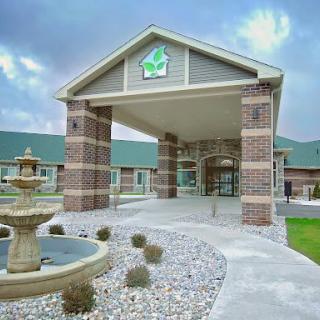
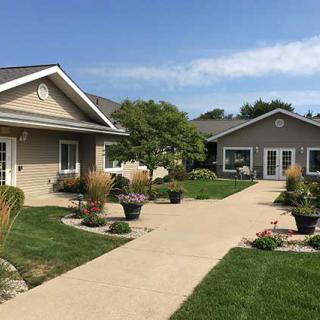
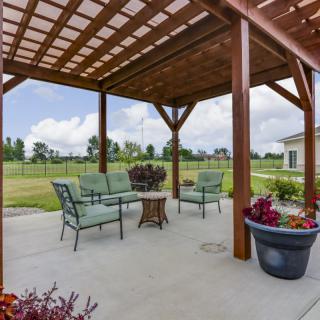
- The environment is beautiful, comfortable, and safe for residents.
Review
This Bay City area AFC home is best suited for families seeking a small, intimate, family‑run setting where residents receive exceptionally personalized, hands‑on care. The model here centers on a close, caregiving team led by the owner, with staff members who feel like extended family. Residents benefit from daily routines that emphasize warmth, home cooking, and meaningful interactions, all delivered in a clean, comfortable space. If the priority is a truly human-scale environment where staff know every resident’s needs and preferences and respond with immediacy, this community stands out as an excellent fit.
Those considering alternatives are wise to note that this option may not be ideal for every situation. Families needing robust, around‑the‑clock licensed nursing coverage, complex medical oversight, or highly specialized therapies may want to explore larger facilities with on‑site nursing staffs and dedicated dementia or rehab programs. For residents with advanced medical needs or requiring comprehensive clinical services, a bigger setting could offer more formal resources. Similarly, if privacy, a highly modern facility design, or highly structured programming aligned to specific clinical goals is essential, some other AFC or assisted living options may serve better.
The strongest positives here are the deeply caring relationships that come from a family‑owned model. Caregivers and the owner are repeatedly described as loving, attentive, and genuinely invested in each resident’s well‑being. The environment feels like a home, not a clinic, with meals prepared in‑house and daily activities, holiday celebrations, and outings that foster connection and joy. This level of personal attention translates into residents who feel seen and secured, with families reassured by the visible dedication of staff who know preferences, histories, and routines. Such warmth often reduces anxiety and enhances quality of life beyond what larger, more impersonal settings can deliver.
Equally important are practical strengths that support ongoing stability. The home is portrayed as consistently clean and well maintained, with management that remains accessible and responsive. The staff, many of whom express a long‑standing commitment, can coordinate care promptly, addressing both physical and emotional needs in a timely fashion. The combination of a calm, well‑managed environment and proactive caregiving produces a reliable day‑to‑day experience: predictable meal times, safety‑conscious activities, and opportunities for meaningful engagement. Families can feel confident that their loved one is in a setting where dignity is prioritized and communication is straightforward.
A modest tradeoff accompanies these strengths. The intimate scale of a small AFC home naturally means fewer on‑site medical resources and less availability of highly specialized care than a larger facility. While the care team is exceptionally capable for routine needs and supportive services, residents with complex clinical requirements or those pursuing intensive rehab programs may outgrow the scope of what a single‑home model can sustain. Budget considerations may also be more variable here, as family‑run homes sometimes operate with different pricing structures or fewer luxury amenities than bigger operators. The upside is that the caregiving is personal; the downside is a potential limit on medical depth and program breadth.
For families weighing a decision, the verdict is clear: if a loved one thrives on a home‑like atmosphere, genuine affection from caregivers, and highly individualized attention, this Bay City AFC home warrants serious consideration. Pros offset cons when evaluated against priorities like daily companionship, predictable routines, and dependable emotional support. If, however, the priority leans toward highly specialized medical oversight, expansive therapy options, or a modern, clinical setting with extensive on‑site services, it would be prudent to evaluate alternatives side by side. A thorough visit, with questions about staffing ratios, care planning, and what happens when the needs scale, will illuminate the best path forward.
 6 resident community capacity
 Assisted Living
 Cable or satellite TV
 Dining room
 Fully furnished
 Garden
 Housekeeping services
 Move-in coordination
 Outdoor space
 Telephone
 Wi-Fi/high-speed internet available
 Mbs International (11 miles away)
 24-hour supervision
 Activities of daily living assistance
 Assistance with bathing
 Assistance with dressing
 Assistance with transfers
 Diabetes diet
 Meal preparation and service
 Medication management
 Special dietary restrictions
 Transportation arrangement (medical)
 Transportation to doctors appointments
 Social Security Benefits and Assisted Living: Navigating Options Across the U.S.
 An Extensive Exploration of the VA Aid and Attendance Benefit
 Senior Transition Services: Understanding Their Role, Cost, and Importance