
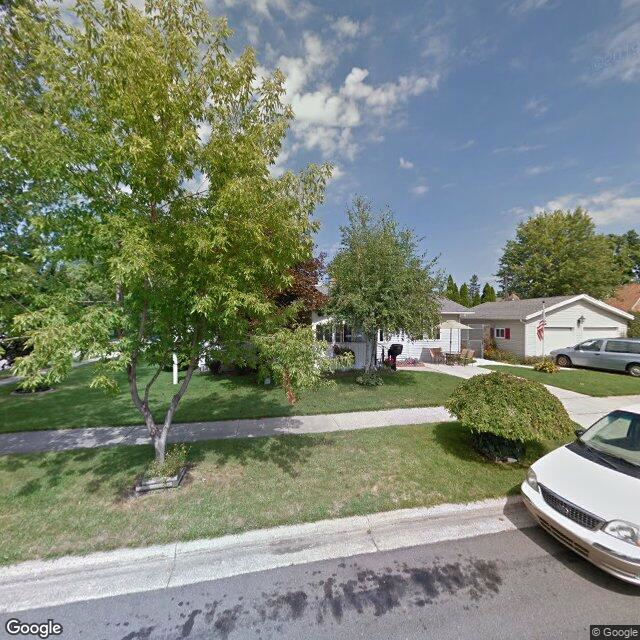
106 Campau St., Bay City, MI 48706
To contact a resident: (989) 894-0667
For more information about senior living options: (866) 208-4318
Birch Haven Costs & Pricing
At Birch Haven, the monthly costs for accommodations are notably competitive compared to both Bay County and the broader state of Michigan. For a semi-private room, residents benefit from a rate of $1,800, which is significantly lower than the county average of $2,851 and the state average of $3,191. Similarly, those opting for a private room will find Birch Haven's rate of $2,300 to be quite attractive when contrasted with Bay County's average of $3,108 and Michigan's higher average of $3,675. This pricing structure reflects Birch Haven's commitment to offering quality care and comfortable living arrangements at accessible rates within the community.
| Floor plans | Birch Haven | Bay County | Michigan |
|---|---|---|---|
| Semi-Private | $1,800 | $2,851 | $3,189 |
| Private | $2,300 | $3,108 | $3,674 |
Senior living communities with a similar price nearby
-
from +$350 / mo
New Hope Valley West
$2,150 to $3,500 / month10.0 miles away -
from +$195 / mo
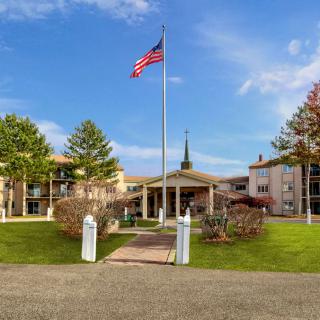
Holiday Winter Village
$1,995 to $3,289 / month19.1 miles away -
from -$356 / mo
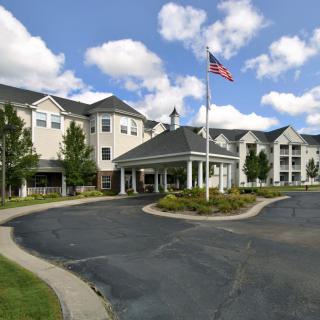
Swanhaven Manor
$1,444 to $1,644 / month14.7 miles away -
from +$91 / mo

Community Village
$1,891 to $2,201 / month11.7 miles away -
About the same
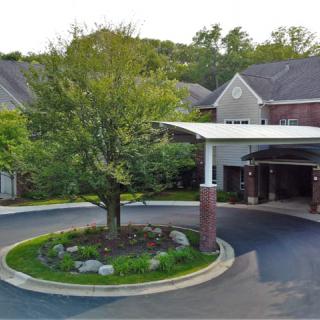
Woodhaven Senior Living at Bay City
$1,850 to $4,800 / month3.4 miles away
Overall Review of Birch Haven
Pros
 The place is nice.
- It has a small, close-knit group of six residents.
- A staff member was very willing to show visitors around and discuss what she had to offer.
Cons
 No outside activities are offered.
- Medicare or Medicaid support is not provided.
- Medications are locked up.
- The room costs are high (semi-private $1,750; private $2,000).
Review
Birch Haven in Bay City, MI is best suited for seniors who crave a small, home-like setting where staff can know residents by name and care can feel intimate rather than institutional. This community works best for someone who values privacy, a quiet pace, and direct access to a few caregivers who are willing to discuss what the facility offers. It is clearly built for private-pay living rather than for those counting on Medicare or Medicaid benefits.
The major upside is the close-knit feel in a tiny resident group, about six people, which can translate into more personalized attention and less chaos. A visitor was met with a straightforward, welcoming guide who was eager to explain offerings. The presence of weekly housekeeping from outside help and the routine of weighing residents daily signal a basic, practical approach to maintenance and health monitoring. The arrangement to lock up medications reflects an emphasis on safety and control, which may reassure families concerned about security. There is some light social activity, such as occasional card games, which helps a bit with companionship in a very small setting.
However, the shortcomings are pronounced and nontrivial. There is no outside activities program, and social engagement appears limited to sporadic card play among a small group, which can quickly feel isolating for residents who thrive on more robust stimulation or regular excursions. The absence of Medicare or Medicaid support is a critical constraint for many families, effectively narrowing the pool to private-pay residents and limiting options for those who rely on public funding. Room rates, about $1,750 per month for semi-private and $2,000 for private, are explicit, but the value proposition hinges on what else is included; the lack of clear, ongoing programming and medical oversight raises questions about long-term affordability and appropriateness for those with evolving care needs.
Despite these cons, the pros can somewhat offset the downsides for the right person. The tiny community size cultivates a sense of safety and predictability that larger campuses struggle to match, with staff who are approachable enough to discuss offerings and tailor conversations to individual preferences. Regular housekeeping can reduce family burden, while daily weight checks provide a tangible signal of health trends without requiring constant clinician visits. The secure medication setup adds a layer of peace of mind for both residents and families. In a setting where social opportunities are scarce, the trade-off is a quieter, more predictable daily rhythm that can suit residents who prefer low-stimulation environments and steady routines.
That said, Birch Haven should be weighed against clear alternatives. Families seeking a livelier social calendar, more frequent organized activities, or access to government-funded care will want to look elsewhere. Residents with evolving medical needs or those who require straightforward access to on-site nursing, therapy, or transportation for appointments may find the current setup undersized. For families evaluating Birch Haven, the prudent move is to request a detailed activity schedule, a precise breakdown of what the monthly rate covers (meals, transportation, personal care services), and a tour that includes conversations with current residents and staff about daily routines and emergency care protocols.
In the end, Birch Haven represents a deliberate choice for a very specific senior who prizes intimacy, safety, and private-pay predictability over a bustling calendar and broad care capabilities. It is not a fit for those who need robust programming, frequent social opportunities, or coverage through Medicare/Medicaid. The decision hinges on whether the resident will actively create social engagement within a small group or rely on a larger community for stimulation and support. For families convinced that the quiet, personal attention of a six-resident home setting aligns with their loved one’s temperament and care goals, Birch Haven warrants a serious, in-person evaluation, complete with a tour, a candid discussion of care limits, and a clear sense of value for the investment.
 Board and Care Home
 Private
 Mbs International (9 miles away)
 Ambulatory care
 Diabetic care
 Incontinence care
 Supportive Employee Benefits That Help Caregivers Attain Better Work-Life Harmony
 Top Cars for Senior Drivers and Essential Safety Innovations
 A Closer Look at Private Pay Home Care