
254 Central Street, Battle Creek, MI 49017
For more information about senior living options: (866) 208-4318
Overall Review of Unique Care Group Home
Pros
 The staff are nice and very caring.
- The environment is very home-like and clean.
- The Cretsinger family and their staff do a great job all around.
- They treat residents like family.
- The staff are friendly, kind and helpful, and know the residents well.
- People would highly recommend this facility.
Cons
 The owners and staff are described as very rude.
- It is claimed that the facility only hires ex- or current drug users.
- It is alleged that the staff target people they don’t like.
- The management is described as not good, with a very high employee turnover.
- The pay is said to be not good and employees are overworked due to understaffing.
- It is claimed that residents are placed there who should not be, because there isn’t enough experienced staff to provide proper care.
- The reviewer advises others to thoroughly investigate the place before placing a loved one there.
Review
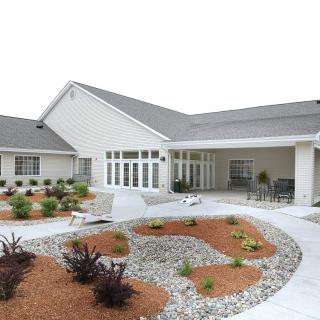
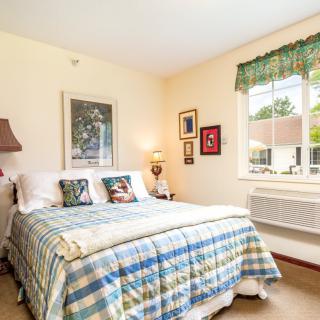
This community is best suited for seniors who crave a warm, family-style home atmosphere in Battle Creek and who value personal, hands-on attention from caregivers. It shines for residents who respond well to a small, intimate setting where staff form relationships and neighbors feel like extended family. For short-term stays or respite care, the home-like vibe can be particularly reassuring, with staff who are accessible and generally responsive to family inquiries.
Families considering alternatives should note that this is not the pick for those requiring steady, highly skilled clinical oversight or rigorous administrative stability. The reviews flag concerns about management quality, high turnover, and understaffing, all of which can translate into uneven levels of care. If a loved one needs dedicated behavioral management, complex medical supervision, or highly structured routines, other facilities with stronger governance and deeper clinical support may deliver more consistent outcomes.
The strongest positives center on the lived-in, homey environment and the perceived kindness of frontline caregivers. Several accounts describe staff who treat residents with genuine warmth and make family members feel welcomed and informed. When care teams know individual residents, what they like, what they need, and how their day has gone, the daily experience feels personal and reassuring. This human connection is the core strength, and it often compensates for other gaps in operation.
However, the main drawbacks are real and consequential. Management quality, turnover, and combined staffing pressures appear repeatedly in the feedback, suggesting that consistency over time is not guaranteed. Understaffing can leave caregivers stretched thin, potentially compromising supervision and timely response to residents’ needs. Reports of residents being admitted who may require more experienced oversight, plus concerns about how ownership treats families and staff, create an undercurrent of risk that cannot be ignored.
These positives and negatives coexist in a tension that families must weigh carefully. The home-like culture and the ability to form close bonds with caregivers can offset some anxieties about routine lapses, but they cannot fully compensate for sustained staffing gaps or leadership instability. The most meaningful guardrail here is a clear and proactive care plan, combined with transparent, frequent communication and a tight, evidence-based approach to resident match and supervision. Without those, warmth alone cannot sustain safety and quality over time.
Practical decision steps follow for any family evaluating this option. Visit the facility with specific questions in hand: request to meet frontline caregivers and observe interactions with residents; ask for current staff-to-resident ratios and how shifts are staffed; review any recent incident logs or care plans to gauge responsiveness and attention to individual needs. Verify licensing status, any state or local complaints, and seek recent references from other families who have placed loved ones there. If possible, arrange a short-term respite stay to gauge daily rhythms, responsiveness, and compatibility with the resident’s routines. Finally, compare against facilities with stronger clinical programs or more stable governance to determine whether the home-like charm justifies the trade-offs in staffing stability and administrative consistency.
In the end, this community offers a compelling value for families prioritizing warmth, personal attention, and a truly home-like feel. It is less suitable for those demanding unwavering staffing continuity, rigorous clinical oversight, or flawless administrative harmony. For residents whose needs align with intimate, person-centered care and for whom a strong, trusting relationship with caregivers is paramount, this option can be a fit, provided the family conducts a thorough vetting and remains prepared to address leadership and staffing questions head-on.
 6 resident community capacity
 Assisted Living
 Cable or satellite TV
 Dining room
 Fully furnished
 Garden
 Housekeeping services
 Move-in coordination
 Outdoor space
 Telephone
 Wi-Fi/high-speed internet available
 Kalamazoo County (21 miles away)
 24-hour supervision
 Activities of daily living assistance
 Assistance with bathing
 Assistance with dressing
 Assistance with transfers
 Diabetes diet
 Meal preparation and service
 Medication management
 Special dietary restrictions
 Transportation arrangement (medical)
 Transportation to doctors appointments

 Exploring the Path to Senior Living: A Comprehensive Look at Independent Living and Assisted Living
 Is Assisted Living Deductible on Your Taxes? Understanding the Complexities of Assisted Living Expenses and Deductions
 Assisted Living Support for Veterans: A Complete and Detailed Overview