

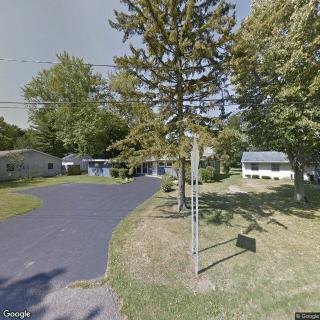
632 N Avenue, Battle Creek, MI 49017
To contact a resident: (269) 721-3792
For more information about senior living options: (866) 208-4318
Overall Review of Pennfield Premier Living North
Pros
 The staff are nice and very caring.
- It feels very home-like.
- The Cretsinger family and their staff do a great job all around.
- Their other homes are also really nice.
- The staff were friendly, kind, and helpful, and they knew the resident well.
Cons
 The owners and staff are very rude, and they allegedly hire ex- or current drug users and target people they dislike.
- The management is not good here, with a very high employee turnover.
- The pay is not good, and employees are overworked due to consistent understaffing.
- They consistently place residents who should not be there because there aren’t enough experienced staff to provide proper care.
- The reviewer cautions others to thoroughly investigate the facility before placing a loved one there.
Review
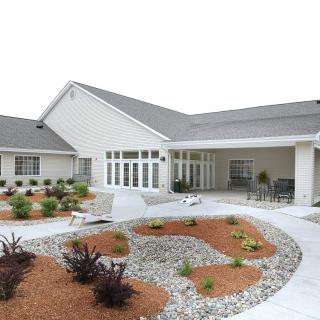
Pennfield Premier Living North is best suited for families seeking a warm, home-like environment where caregivers strive to treat residents like family and where personal, day-to-day connections matter. It fits better for short-term respite stays or for loved ones who place a premium on kindness, accessibility of information, and a setting that feels domestic rather than institutional. Those who want a highly structured, tightly regulated care spine, with relentless staffing consistency and rigorous clinical oversight, should consider other options.
A notable strength emerges in the everyday experience described by families who visited or stayed with loved ones: a genuinely homey atmosphere and staff who come across as caring and approachable. Several accounts praise the staff’s demeanor, the sense that residents are known by name, and the impression that care comes with a personal touch. The Cretsinger family’s leadership is repeatedly credited with fostering a friendly, family-forward culture, and several narratives note that information about a resident’s day or status can be obtained with ease. For families seeking a place where staff form bonds with residents and where visitors feel welcomed, these elements matter.
Yet the positives ride alongside significant cautions that cannot be ignored. The strongest cautions center on management and staffing stability: frequent turnover, concerns about pay and workload, and the perception that the facility is consistently understaffed. Reviewers raise questions about whether the right mix of experienced caregivers is always on hand to meet residents’ needs, and they flag the risk that an insufficiently staffed environment may expose residents to care gaps. There are even troubling claims about recruitment and resident placement that would demand careful, independent verification before making any commitment. Taken together, these concerns undermine reliability, especially for residents with complex medical or daily living needs.
In weighing the pros against the cons, the home-like atmosphere and prisoner-to-family care model somewhat offset what those concerns might otherwise destroy. When staff connections are strong, communication is open, and families feel informed, the care experience can be meaningful and comforting. However, the reality of high turnover and staffing gaps can erode that advantage quickly: consistency of caregivers, continuity of daily routines, and the capacity to respond promptly during emergencies are all vulnerable to repeated changes in personnel. The respite and short-term care stories show what the facility can deliver in a well-supported moment, but those snapshots may not translate into sustained quality for longer stays if staffing pressures persist.
Families weighing options should cut through the surface impressions with targeted questions and careful observation. Ask for current staffing ratios by shift, inquire about on-site medical oversight (whether an RN is available around the clock, and how medications are managed), and request recent inspection or citation records to understand any formal concerns. During tours, observe how the staff talk to residents, how they handle a common task like a meal or a bathroom assist, and whether residents are engaged or simply supervised. It also makes sense to discuss a trial period or respite stay to gauge fit in real time, given the mixed reports. For those prioritizing professional governance, risk controls, and consistent staffing, alternatives with stronger continuity and fewer red flags may be worth pursuing.
Overall, Pennfield Premier Living North presents a trade-off: warmth and a family atmosphere on one side, with serious questions about management stability and staffing on the other. The community will appeal to families who value emotional connection, transparent communication, and a home-like setting over clinical rigidity. However, for anyone whose top priorities include dependable staffing, predictable care standards, and a robust safety net, exploring other communities with stronger staffing discipline and clearer oversight is advisable. The decision should hinge on how much weight is given to the intimate, caregiver-driven experience versus the necessity for steady, professionally managed care.
 Assisted Living
 Activities on-site
 Devotional services off-site
 Indoor common areas
 Kalamazoo County (20 miles away)
 Ambulatory care
 Diabetic care
 Meals provided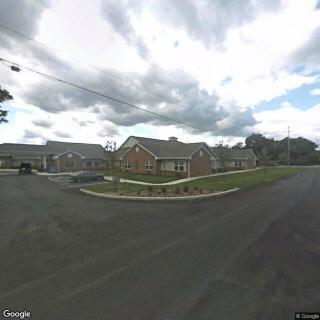




 8 Key Indicators That Suggest It May Be Time to Transition from Assisted Living to Skilled Nursing Care
 Vibrant Senior Living: A Comprehensive Guide for Active Older Adults
 When to Transition from Assisted Living to Memory Care: Key Indicators, Steps, and Finding the Right Community