S & A Transitional Living in Battle Creek, MI

59 Greenwood Avenue, Battle Creek, MI 49037

For more information about senior living options: (844) 490-3973

4.3 from 30 reviews
5 stars
23
4 stars
2
3 stars
0
2 stars
2
1 stars
3

Assisted Living

Overall Review of S & A Transitional Living

Pros

  • pro It is a great place providing services to men seeking help with alcohol and drug addiction, including therapists, financial and job advisors, recovery coaches, group sessions, and sober house options.
  • pro They offer ongoing support that helps individuals thrive as they transition back into society.
  • pro The program has been excellent, with helpful therapists.
  • pro The staff are understanding, encouraging, and engaged through the different phases of recovery.
  • pro It is a comprehensive, one-stop shop for outpatient services, covering housing, clinical 1:1 support, in-house drug testing, and peer support.
  • pro The leadership is engaged and focused, with a post-treatment program that keeps families connected to resources.
  • pro The staff at RSU consist mainly of people in recovery, which enhances the supportive environment.

Cons

  • pro Sobriety court is described as the second most miserable time of one's life.
  • pro The program staff overreacted, chased the reviewer out, and threatened them unprofessionally; the reviewer was removed for asking about insurance issues caused by the office's errors.
  • pro The service is careless and fails to keep track of receipts and sign-in pages, with staff often absent when clients arrive.
  • pro The case manager lacked communication, never calling as promised, leaving the reviewer feeling as though they were begging for help.
  • pro The hours were changed so the facility is now closed on weekends, which can jeopardize court-ordered drug tests.
  • pro Prospective costs are problematic: patients may be asked to pay about $1,800 for a three-month stay, with Medicaid not covering everything indefinitely.

Review

S&A Transitional Living in Battle Creek is best suited for adults stepping out of rehab who need a practical, structured, transitional path into daily life, with a built-in network of supports that extend beyond detox or inpatient care. This community targets the ongoing recovery journey, offering therapy, life-skills training, housing, and family-oriented post-treatment resources all in one place. Financial realities matter: Medicaid won't cover everything indefinitely, and a three-month stay can run about $1,800, making sustained funding a key consideration. It is a strong fit for families or supporters who can bridge the gap during a critical transition, rather than for individuals seeking a fully covered, long-term arrangement or purely clinical supervision.

The program's strongest advantage is its integrated aftercare ecosystem. Therapists provide dedicated substance-use support, while recovery coaches, group sessions, and peer networks create a durable accountability structure. Financial and job-advising services help chart a path back into work and independent living, and sober-house options give practical housing continuity. In-house drug testing, a court-approved component, and a broad spectrum of supports reduce the fragmentation common to post-treatment care. Leadership is frequently described as engaged and focused, and the post-treatment track is designed to keep families connected. For many, those components translate into a credible, navigable route back to community life.

Yet, several concrete drawbacks temper the overall value. Administrative friction appears repeatedly: billing questions can linger for months, and insistence on timely, firm responses has led to tense exchanges and, in some cases, removal from programs over disputes about insurance. Record-keeping gaps - missing receipts or inconsistent sign-ins - can sow confusion and erode trust. Individual case management has shown variability, with reports of miscommunication and missed calls. Operational details - such as hours and weekly availability - have fluctuated, which matters when court-ordered testing or regular services are scheduled. Taken together, these issues create a layer of risk that can complicate a vulnerable transition if not managed carefully.

Still, the program's deep service array does offset many of these administrative rough edges. The core strength lies in the sustained access to therapy, recovery coaching, and practical life-skills supports, plus family-inclusive post-treatment resources that help stabilize outcomes over time. The integrated model minimizes the need to assemble ad hoc providers, while housing options anchored in accountability provide a tangible daily framework. When the organizational kinks are tolerated or addressed, the fundamental recovery infrastructure remains solid and credible, offering a credible pathway to ongoing sobriety and re-entry.

For families evaluating alternatives, there are clear triggers to look elsewhere. If budget constraints are the deciding factor, or Medicaid coverage is the sole financing lens, cheaper or shorter-commitment options may be preferable. If administrative reliability, consistent case management, and predictable hours are non-negotiable, other providers or outpatient programs may deliver a smoother experience. For those seeking a strictly clinical, medically supervised setting rather than a transitional housing model with recovery supports, different facilities could be a better match. In short, when a program requires robust funding flexibility and tolerance for administrative turbulence, exploring other avenues in Battle Creek or nearby regions can prevent avoidable friction.

Bottom-line guidance centers on preparation and clarity before enrollment. Verify current hours and availability, particularly for services tied to court requirements, and map out exactly what Medicaid covers versus what remains out-of-pocket. Demand a named case manager and establish clear expectations for responsiveness and communication. Build a realistic three-to-six-month budget that includes housing, therapy, and program fees, and insist on a detailed overview of all supports offered, including family involvement options. With these checks in place, S&A Transitional Living presents a practical, recovery-forward environment that combines substantive clinical supports with a clear re-entry pathway, making it a strong choice for those who need structure, accountability, and a sustained network to keep sobriety progressing.

Features

Housing

  • 6 resident community capacity 6 resident community capacity

Types of Care

  • Assisted Living Assisted LivingAssisted living facilities provide crucial support and care for seniors who may need help with daily tasks such as medication management, bathing, and meal preparation. These communities offer a safe and comfortable environment where seniors can maintain their independence while receiving the assistance they need to thrive in their golden years.

Amenities

  • Cable or satellite TV Cable or satellite TVCable or satellite TV is important for seniors because it provides entertainment, news, and companionship, helping to combat loneliness and boredom. It also offers a wide range of programming options tailored to different interests and preferences.
  • Dining room Dining roomDining rooms are important for seniors as they provide a space for socialization, connection, and nutritious meals. They offer opportunities for residents to bond over shared meals, foster a sense of community, and promote healthy eating habits. Dining rooms also ensure that seniors have access to well-balanced meals tailored to their dietary needs and preferences.
  • Fully furnished Fully furnishedFully furnished senior living communities are important for seniors because they provide convenience, comfort, and a hassle-free moving experience. Seniors can easily settle into their new living space without the stress of having to buy and move furniture. This allows them to focus on enjoying their new home and community.
  • Garden GardenGardens are important for seniors as they provide a peaceful and therapeutic environment for relaxation, physical activity, and socialization. Being in nature has been shown to reduce stress, improve mood, and promote overall well-being. Gardens also offer opportunities for seniors to engage in gardening activities, which can improve mobility, flexibility, and cognitive function. Additionally, gardens create a sense of community and connection with others who share a passion for plants and outdoor spaces.
  • Housekeeping services Housekeeping servicesHousekeeping services are important for seniors because they help maintain a clean and safe living environment, promote independence, and reduce the risk of accidents or illnesses. Additionally, having assistance with household chores can alleviate physical strain and allow seniors to focus on other aspects of their well-being.
  • Move-in coordination Move-in coordinationMove-in coordination is important for seniors because it helps ease the transition into their new living environment. It ensures that all logistics, such as packing, organizing movers, and setting up utilities are taken care of, allowing seniors to focus on settling in and adjusting to their new home. Having a smooth move-in process can alleviate stress and anxiety, making the transition smoother and more enjoyable for seniors.
  • Outdoor space Outdoor spaceOutdoor spaces are important for seniors as they provide opportunities for physical activity, social interaction, exposure to natural light and fresh air, and a sense of connection to nature. Having access to outdoor spaces can improve overall well-being and quality of life for older adults living in senior communities.
  • Telephone TelephoneTelephones are important for seniors as they provide a lifeline for communication with loved ones, emergency services, and healthcare providers. They offer a sense of security and independence, enabling seniors to stay connected and access assistance when needed.
  • Wi-Fi/high-speed internet available Wi-Fi/high-speed internet availableWi-Fi/high-speed internet is important for seniors to stay connected with loved ones, access online resources, and participate in virtual activities to combat feelings of loneliness and isolation. It also allows them to easily manage healthcare needs, access entertainment, and engage in lifelong learning opportunities.

Transportation

  • Kalamazoo County (20 miles away) Kalamazoo County (20 miles away)

Care Services

  • 24-hour supervision 24-hour supervision24-hour supervision is important for seniors to ensure their safety, well-being, and access to immediate assistance in case of emergencies or health issues. This constant support provides peace of mind for both seniors and their loved ones, allowing them to age in place with dignity and security.
  • Activities of daily living assistance Activities of daily living assistanceActivities of daily living assistance are important for seniors because they provide essential support with tasks such as eating, bathing, dressing, and mobility. This assistance helps seniors maintain their independence, dignity, and overall quality of life as they age.
  • Assistance with bathing Assistance with bathingAssistance with bathing is crucial for seniors as it helps maintain personal hygiene, prevents infections, and ensures their overall well-being and comfort. It also provides a sense of dignity and independence for seniors who may struggle with this task on their own.
  • Assistance with dressing Assistance with dressingAssistance with dressing is important for seniors because it helps maintain their independence, promotes personal hygiene, prevents accidents and injuries, and improves overall quality of life. This service ensures that seniors can continue to dress comfortably and confidently, despite any physical limitations they may have.
  • Assistance with transfers Assistance with transfersAssistance with transfers is crucial for seniors as it helps prevent falls and injuries, maintains their independence, and ensures they can safely navigate their living environment. It also provides peace of mind for both seniors and their loved ones.
  • Coordination with health care providers Coordination with health care providersCoordination with health care providers is crucial for seniors to ensure proper medical care, medication management, and overall well-being. This collaboration helps prevent overlapping treatments, track progress more effectively, and provide comprehensive support tailored to individual needs.
  • Diabetes diet Diabetes dietA diabetes diet is crucial for seniors as it helps manage blood sugar levels, reduce risks of complications, and improve overall health and well-being. By following a balanced and nutritious diet tailored to their specific needs, seniors can better control their diabetes and enhance their quality of life.
  • Meal preparation and service Meal preparation and serviceMeal preparation and service are crucial for seniors as they may have limited mobility or energy to cook nutritious meals. Having access to healthy and convenient food options can ensure they are getting the proper nutrition needed to maintain their overall health and well-being.
  • Medication management Medication managementMedication management is crucial for seniors to ensure they are taking the right medications at the correct dosages and times. This helps prevent adverse drug interactions, reduces the risk of medication errors, and promotes overall health and well-being. Proactive management also allows for adjustments as needed based on changing health conditions or new prescriptions.
  • Special dietary restrictions Special dietary restrictionsSpecial dietary restrictions are important for seniors because age-related changes in metabolism and health conditions can make it difficult for their bodies to process certain foods. By following a diet tailored to their specific needs, seniors can maintain their overall health and well-being, manage chronic conditions, and reduce the risk of complications such as malnutrition or food interactions with medications.
  • Transportation arrangement (medical) Transportation arrangement (medical)Transportation arrangements for medical purposes are essential for seniors as they may have difficulty driving themselves to appointments or accessing public transportation. Having reliable and safe transportation options ensures that seniors can receive timely medical care and maintain their health and well-being.
  • Transportation to doctors appointments Transportation to doctors appointmentsTransportation to doctors' appointments is crucial for seniors as it ensures they have access to necessary medical care and support for their health needs. Without reliable transportation, seniors may struggle to attend important appointments, leading to potential delays in treatment and health complications. Providing transportation services helps seniors maintain their overall well-being and quality of life.

Dining

  • Diabetes diet Diabetes dietA diabetes diet is crucial for seniors as it helps manage blood sugar levels, reduce risks of complications, and improve overall health and well-being. By following a balanced and nutritious diet tailored to their specific needs, seniors can better control their diabetes and enhance their quality of life.
  • Special dietary restrictions Special dietary restrictionsSpecial dietary restrictions are important for seniors because age-related changes in metabolism and health conditions can make it difficult for their bodies to process certain foods. By following a diet tailored to their specific needs, seniors can maintain their overall health and well-being, manage chronic conditions, and reduce the risk of complications such as malnutrition or food interactions with medications.

Activities

  • Community-sponsored activities Community-sponsored activitiesCommunity-sponsored activities are important for seniors as they provide opportunities for social interaction, mental stimulation, and physical activity. These activities can help improve overall well-being, combat loneliness and isolation, and promote a sense of belonging and purpose among older adults.
  • Scheduled daily activities Scheduled daily activitiesScheduled daily activities are important for seniors because they provide structure, socialization, mental stimulation, and physical activity. Engaging in regular activities can improve overall well-being and quality of life for seniors living in a community setting.

Description

S & A Transitional Living in Battle Creek, MI is a fully furnished assisted living community that offers a range of amenities and care services to meet the needs of its residents. The community provides a comfortable and homely environment with a dining room where nutritious meals are served, catering to special dietary restrictions.

Housekeeping services ensure that residents can enjoy a clean and well-maintained living space. The community also offers move-in coordination assistance to make the transition as smooth as possible for new residents.

Outdoor spaces and gardens provide opportunities for residents to enjoy fresh air and natural surroundings. Wi-Fi/high-speed internet access is available throughout the community, allowing residents to stay connected with loved ones and access online resources.

The care services offered at S & A Transitional Living include assistance with activities of daily living such as bathing, dressing, and transfers. Coordination with healthcare providers ensures that residents receive necessary medical attention. Medication management is provided to help residents stay on top of their medication schedules.

The community offers scheduled daily activities for residents to engage in socialization, entertainment, and recreation. Nearby amenities include cafes, parks, pharmacies, restaurants, places of worship, theaters, hospitals, and transportation options for medical appointments.

S & A Transitional Living aims to provide a supportive and nurturing environment where seniors can receive the care they need while maintaining their independence and enjoying an active lifestyle.

Nearby Places of Interest

Hospitals

  • Fieldstone Center (0.1 miles)
  • Bronson Battle Creek Hospital (0.1 miles)
  • Fieldstone Center-Call Bchs Department of Psychiatry and Behavioral He (0.1 miles)
  • Select Specialty Hospital of Battle Creek (0.7 miles)
  • Battle Creek Health System (0.7 miles)
  • Bronson Battle Creek Hospital (0.7 miles)
  • Bronson Battle Creek Asthma Education Services (0.7 miles)

Physicians

  • Family Health Center of Battle Creek (0.2 miles)
  • Grace Health Specialty Services (0.2 miles)
  • Asthma Allergy Centers Of Southwest Michigan (0.6 miles)
  • Dr Sudhir Desai, MD (0.7 miles)
  • Parkside Medical (0.7 miles)
  • North Avenue Podiatry Service (0.7 miles)
  • Nephrology Center (0.7 miles)

Places of Worship

  • Bethlehem Temple-Pentecostal Church (0.6 miles)
  • Koinonia_FCCBC (1 miles)
  • St Joseph Catholic Church (2.3 miles)
  • General Conference Of Seventh-Day Adventists (3.3 miles)
  • Church of Jesus Christ of Latter Day Saints (3.6 miles)
  • Faith Baptist Church (4.6 miles)

Pharmacies

  • Savemax Pharmacy (0.7 miles)
  • Walgreens (0.8 miles)
  • Rite Aid (0.9 miles)
  • Hydro Meds (1.6 miles)
  • Capital Ave Pharmacy (1.9 miles)
  • Walgreens (1.9 miles)
  • Rite Aid (2.1 miles)

Restaurants

  • Handmap Brewing (0.7 miles)
  • Arby's (0.8 miles)
  • Clara's on the River (0.9 miles)
  • Griffin Grill & Pub (0.9 miles)
  • Jimmy John's (1 miles)
  • Nina's Taqueria (1.2 miles)
  • Mr. Don's Restaurant (1.7 miles)

Parks

  • Leila Arboretum Society (1.1 miles)

Cafes

  • Starbucks (3.1 miles)

Transportation

  • W K Kellogg Airport (BTL) (3.6 miles)

Theaters

  • W. Columbia 7 (3.6 miles)

Frequently Asked Questions

Where is S & A Transitional Living?

Nearby Communities

  • Pioneer Manor

    Pioneer Manor

    Battle Creek, MI

    4.8 from 14 reviews
     

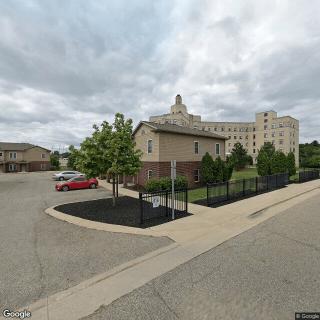
    pro 24/7 supervision with personalized care, on-site meals, and a garden.
  • Westbrook Place

    Westbrook Place

    Battle Creek, MI

    2.2 from 6 reviews
     

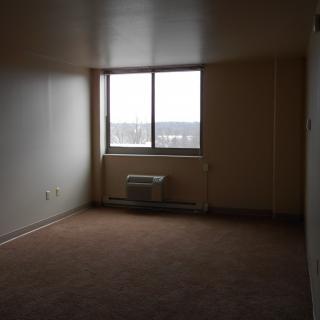
    pro Efficient move-in process with helpful staff; spacious, bright apartments.

  • Springview Tower

    Springview Tower

    Battle Creek, MI

    3 from 25 reviews
    $536 / month

    pro Active management working to improve the community; convenient location with on-site services.

  • Rhema Home Adult Foster Care

    Rhema Home Adult Foster Care

    Battle Creek, MI


    pro Small, intimate 12-bed facility with comprehensive 24/7 care, medication management, diabetes-friendly meals, and transportation to medical appointments.

  • Heartland Health Care Center - Battle Creek

    Heartland Health Care Center - Battle Creek

    Battle Creek, MI

    4.5 from 47 reviews
    $1,600 to $2,495 / month

    pro Affordable pricing relative to county/state averages with diverse room options

  • Michigan Care

    Michigan Care

    Battle Creek, MI


    pro Fully furnished apartments with meals and 24/7 support plus care coordination.

  • NorthPointe Woods

    NorthPointe Woods

    Battle Creek, MI

    4.7 from 87 reviews
    $2,319 to $4,413 / month

    pro Friendly, responsive staff with well-maintained facilities and engaging activities.

  • Bickford of Battle Creek

    Bickford of Battle Creek

    Battle Creek, MI

    3.9 from 91 reviews
    $3,346 to $3,954 / month

    pro Friendly, caring staff; clean, well-decorated facilities with engaging activities.

  • Marshall Comfort Care

    Marshall Comfort Care

    Marshall, MI

    4.2 from 64 reviews
    $3,225 to $3,725 / month

    pro Renovated, clean facility with friendly staff, engaging activities, and multiple care options (assisted, independent, memory care).

Related Resources

  • how to pay for assisted livingSecuring Financial Support for Assisted Living: A Comprehensive Overview

    Assisted living facilities offer crucial support for older adults needing help with daily activities but come with varying and significant costs, which can be financed through personal savings, government assistance programs, long-term care insurance, and home equity options. Professional guidance from experts can aid families in navigating these financial complexities to establish a sustainable budgeting approach for assisted living services.

  • assisted living for seniors on social securitySocial Security Benefits and Assisted Living: Navigating Options Across the U.S.

    Assisted living costs often exceed Social Security benefits, necessitating a combination of funding sources like state aid and Medicaid. Understanding the interaction between Social Security programs and available financial support is essential for affording such care.

  • aid and attendance vaAn Extensive Exploration of the VA Aid and Attendance Benefit

    The VA Aid and Attendance benefit provides financial support to veterans needing assistance with daily living due to medical conditions or disabilities, augmenting standard VA pensions for services like in-home care. Eligibility is based on service duration, wartime status, income, and medical needs, with a detailed application process required to access funds for caregiving and home modifications.