
11370 Calendar Road, Battle Creek, MI 49014
For more information about senior living options: (866) 208-4318
Overall Review of Eastside Adult Foster Care Home
Pros
 They provide awesome care.
- They offer great meals.
- They are family oriented.
- Bernie and Sharon are great people.
- They do an excellent job with loved ones.
Review
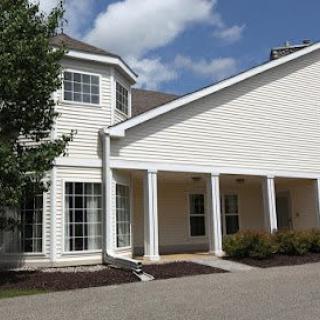
Eastside Adult Foster Care Home in Battle Creek is best suited for families seeking a small, home-like setting where residents receive highly personalized attention. The community works best for seniors who thrive on steady routines, close caregiver contact, and a sense of belonging fostered by a domestic atmosphere. With Bernie and Sharon actively involved, residents benefit from a family-oriented approach that tends to translate into consistent care, clear communication, and a noticeable level of warmth in daily interactions.
Those evaluating alternatives should consider who may not be a perfect fit. If the priority is robust clinical oversight, a wide array of on-site activities, or formal memory-care specialization, this small home may feel limited. For residents with complex medical needs, or families requiring extensive transportation logistics, larger assisted-living facilities with dedicated nursing staff and structured programming may offer a better match. The intimate model excels in warmth and familiarity but can fall short for needs that demand intensive clinical management or expansive social schedules.
The strongest positives here are meaningful and track with family expectations. Care is described as awesome, with a strong emphasis on nutrition, comfort, and daily well-being. Meals are a notable strength, often cited as satisfying and well-prepared, which matters for long-term health and enjoyment. The environment is distinctly family oriented, and Bernie and Sharon’s hands-on leadership translates into a sense of trust and accountability. Residents benefit from the familiarity of long-tenured staff and a culture that treats them like members of the caregiving family, not just occupants of a room.
Even so, the main drawbacks flow from the same intimate size. With a smaller operation, there can be fewer staff on any given shift and less capacity for an expansive activity calendar or on-site specialist care. Privacy and personal space may feel more constrained than in larger communities, and families should anticipate a higher need to coordinate transportation or ancillary medical services if needed. These factors aren’t fatal, but they matter when the decision hinges on day-to-day cadence, emergency responsiveness, and the breadth of services available within the building.
The key trade-off is clear: the pros of a warm, closely supervised, home-like setting with excellent meals and direct owner involvement largely offset the limited scale of resources. For families prioritizing safety through familiar routines, quick problem-solving, and the emotional comfort of a small, caregiver-led home, Eastside offers a compelling value proposition. The practical takeaway is that this option shines for residents who do not require aggressive medical management or a full menu of on-site programs, and who value continuity, trust, and a nurturing atmosphere over breadth of services.
Actionable next steps for families: schedule a detailed visit to observe daily interactions and ask pointed questions about staffing patterns, including staff-to-resident ratios across shifts, and how emergencies are managed. Inquire about meal planning specifics, consistency of dietary accommodations, and the degree of resident input in daily routines. Clarify transportation options, availability of memory-care or specialized services if needs evolve, and any respite care or temporary stays. Finally, assess budget implications and long-term affordability, confirming licensing status and the scope of services covered under typical assisted-living arrangements. This disciplined check will reveal how well Eastside aligns with the senior’s care goals, family expectations, and practical logistics.
 6 resident community capacity
 Assisted Living
 Cable or satellite TV
 Dining room
 Fully furnished
 Garden
 Housekeeping services
 Move-in coordination
 Outdoor space
 Telephone
 Wi-Fi/high-speed internet available
 24-hour supervision
 Activities of daily living assistance
 Assistance with bathing
 Assistance with dressing
 Assistance with transfers
 Diabetes diet
 Meal preparation and service
 Medication management
 Special dietary restrictions
 Transportation arrangement (medical)
 Transportation to doctors appointments


 8 Key Indicators That Suggest It May Be Time to Transition from Assisted Living to Skilled Nursing Care
 Vibrant Senior Living: A Comprehensive Guide for Active Older Adults
 When to Transition from Assisted Living to Memory Care: Key Indicators, Steps, and Finding the Right Community