
17332 11 Mile Road, Battle Creek, MI 49014
For more information about senior living options: (866) 208-4318
Overall Review of Countryside Adult Foster Care
Pros
 The small, intimate home receives lots of individual attention.
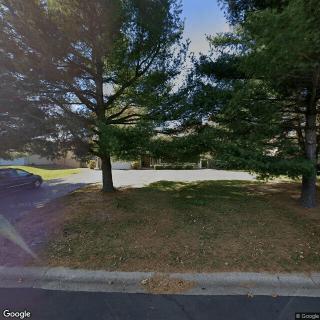
- It is out in the country with a nice deck where guests can sit and watch animals at a nearby farm.
Review
Countryside Adult Foster Care in Battle Creek is best suited for seniors who crave a small, home-like setting over a clinical or campus-style environment. The arrangement reads as an intimate caregiving arrangement where staff can deliver personalized attention rather than a one-size-fits-all approach. Being out in the country, with a deck that invites residents to sit and watch animals from a nearby farm, creates a calm, low-stress everyday life. This is the kind of place where routines feel predictable, staff can notice subtle shifts in mood or mobility, and residents aren’t treated as numbers. It works well for those who value privacy, gentle companionship, and a slower pace that preserves dignity and independence.
Those who may want to consider alternatives include families with residents who require higher levels of medical oversight or frequent therapy, or those seeking a more robust activity calendar and diverse programming. The rural, single-family-home format typically means fewer on-site services, limited transportation options, and a narrower range of daily activities. If a resident needs consistent memory care, rapid access to specialists, or a bustling social scene across a larger community, this setting can feel limiting. For couples aiming to participate in a broader activity mix, or for families prioritizing easy access to a wide network of medical resources, exploring larger facilities is a prudent step.
On balance, the key pros here offset some of the natural limitations. The small scale translates into genuine, individualized attention; caregivers learn residents’ routines, preferences, and health nuances, which fosters trust and reduces miscommunications. The country setting and outdoor space offer meaningful variation outside indoor common areas, providing moments of relaxation and fresh-air time that support mood and overall well-being. Residents often experience smoother transitions between activities because staffing is intimate and familiarity with each person’s needs is the norm. Yet the main cons are real: fewer on-site amenities, a less varied activity slate, and the potential for staffing gaps during off-peak hours. The question is whether the personal tone and calm atmosphere compensate for those gaps.
In practical terms, this community is ideal for seniors who prize a private, homelike daily rhythm, where names and preferences are known, and where health nuances are managed with a steady, hands-on touch. It suits individuals who prefer quiet companionship with a small circle of peers and caregivers rather than a crowded, program-driven calendar. The rural setting also appeals to those valuing frequent, low-key family visits and a connection to nature as part of daily life. For someone who has thrived in or longed for a smaller environment, Countryside offers a distinctive sense of belonging that larger facilities can struggle to replicate.
To evaluate fit with confidence, bring a practical, questions-focused mindset to a visit. Key questions should cover staffing levels and shifts, caregiver training, and how emergencies are handled overnight. Clarify how medications are administered, monitored, and reconciled with medical providers, and who coordinates care with physicians. Inquire about meals, typical offerings, dietary accommodations, and flexibility for preferences or cultural needs. Assess transportation options for appointments or social outings, plus the availability and structure of activities, including any memory-care supports or gentle exercise programs. Observe interactions during tour: determine whether staff seem engaged, patient, and responsive, and whether residents appear relaxed and well-supported. The lone negative review, if discussed, should prompt specific questions about safety, consistency, and responsiveness to concerns.
Bottom line: Countryside Adult Foster Care stands out for families seeking an intimate, homey setting where attention is genuinely individualized and the outdoors contributes to daily life. It delivers clear value when the priority is dignity, calm, and personalized care over breadth of services or a bustling social scene. For residents with higher care needs, or for families seeking more structured programming, readily accessible medical resources, or a wider network of activities, exploring alternative communities is wise. A deliberate, in-person assessment will reveal whether the rural charm and close-knit staffing align with the resident’s needs and family expectations. When alignment exists, this setting provides a reassuring, almost tailor-made living arrangement that supports a comfortable, respectful senior life.
 6 resident community capacity
 Assisted Living
 Board and Care Home
 Memory Care
 Cable or satellite TV
 Dining room
 Fully furnished
 Garden
 Housekeeping services
 Move-in coordination
 Outdoor space
 Telephone
 Wi-Fi/high-speed internet available
 Kalamazoo County (25 miles away)
 24-hour supervision
 Activities of daily living assistance
 Assistance with bathing
 Assistance with dressing
 Assistance with transfers
 Diabetes diet
 Hospice waiver
 Meal preparation and service
 Medication management
 Mental wellness program
 Special dietary restrictions
 Transportation arrangement (medical)
 Transportation to doctors appointments
 Delving into the Inner World of Dementia: Insights into Thoughts and Awareness
 Five Subtle Dementia Indicators to Observe: An In-Depth Guide to Understanding “Does My Mom Have Dementia?”
 Dementia, Paranoia, and Caregiver Guidance: Understanding the Connection