
1425 East Michigan Avenue, Battle Creek, MI 49017
For more information about senior living options: (866) 208-4318
Overall Review of Cretsinger East
Pros
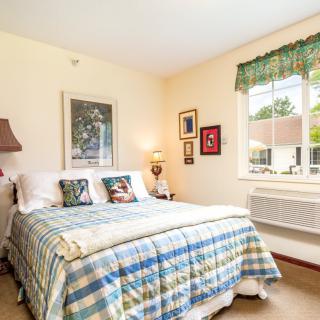
 The facility is very home-like.
- The staff are nice and very caring.
- The Cretsinger family and their staff do a great job all around.
- The husband received the utmost care.
- Each caregiver treated him with kindness and care.
- The environment is very home-like and clean.
- The reviewer would not hesitate to place his father there again.
Cons
 The owners and staff are very rude, and they allegedly only hire ex- or current drug users, targeting people they donā€™t like.
- The management is not good here, with a very high employee turnover.
- The pay is not good, and the employees are overworked due to understaffing.
- They consistently place residents there who should not be there because they lack enough experienced staff to provide proper care.
Review
Cretsinger East in Battle Creek, MI is best suited for families seeking a genuinely home-like environment where seniors are treated with personal warmth and a family-style approach. This community shines for residents who value daily interactions that feel individualized, transparent communication, and a sense that staff know each resident by name and story. It works well for those who want to be able to check in easily and feel welcomed at any time, with a focus on making care feel like an extension of home. However, it is not the obvious choice for families prioritizing strict clinical oversight, ultra-stable staffing, or an unmistakably polished corporate operation. Alternatives should be on the table for those who need high staffing consistency and rock-solid medical management.
On the positives, Cretsinger East earns trust through a noticeably homey atmosphere and consistently kind, caring staff. Several reviewers describe care that feels deeply personal, with caregivers who treat residents like family and staff who take pride in the overall environment. The Cretsinger family and their team are frequently praised for friendliness and approachability, and families report being able to obtain information about their loved one at any time. The care culture described by residents and families emphasizes attentiveness, courtesy, and a sense that the facility is more than a building, it's a supportive, familial setting where day-to-day life can feel calm and predictable.
Yet the flip side is hard to ignore. Multiple reviewers allege serious concerns about ownership and management, painting a picture of rude interactions and questions about hiring practices. The claims include a perception that staff are drawn from questionable backgrounds and that targeting or bias can occur, which understandably unsettles families assessing safety and respect. Compounding this impression are comments about high employee turnover, underinvestment in pay, and consistent understaffing, factors that can undermine reliability and the ability to deliver the level of care families expect, especially for residents with escalating needs.
These tensions between strong, personal care and operational instability must be weighed carefully. The compelling, home-forward advantages, genuine warmth, frequent personal updates, and care that feels personalized, can offset some concerns when staffed consistently and treated with respect. However, when staffing remains volatile and managerial issues persist, the risk shifts toward inconsistent care, delayed responses, and potential misalignment between resident needs and staff experience. Families should question: who has the shift responsibility, what is the actual turnover rate, and how are difficult days or challenging behaviors handled in practice? The answer to these questions often clarifies whether the warmth remains reliable.
Who should consider alternatives? Families prioritizing clinical rigor, predictable staffing, and a proven track record of consistent, well-trained care may want to look elsewhere. If a resident requires higher-level medical oversight, complex daily routines, or a setting where management is clearly accountable and proactive, Cretsinger East may not meet those expectations. In such cases, comparing with other local options that emphasize stable staffing ratios, ongoing professional development, and more rigorous admission criteria can yield a safer, more transparent fit. The decision should hinge on whether the living experience can be trusted to remain steady under inevitable staffing pressures.
Practical next steps involve a thorough, first-hand assessment. Schedule a visit during a typical shift to observe interactions between staff and residents, paying close attention to responsiveness, tone, and whether families are kept informed without prompting. Ask for current staffing ratios, turnover data, and how often new caregivers rotate onto a given floor. Request to see example care plans and daily schedules, and speak with multiple staff members about training and supervision. If respite care or short-term stays are relevant, inquire about the availability, terms, and whether temporary residents are integrated with the same level of attention. Finally, seek conversations with current families or residents to gauge consistency over time, and compare these findings against other nearby communities to determine whether Cretsinger East truly aligns with the desired balance of warmth and reliability.
 12 resident community capacity
 Assisted Living
 Cable or satellite TV
 Dining room
 Fully furnished
 Garden
 Housekeeping services
 Move-in coordination
 Outdoor space
 Telephone
 Wi-Fi/high-speed internet available
 Kalamazoo County (23 miles away)
 24-hour supervision
 Activities of daily living assistance
 Assistance with bathing
 Assistance with dressing
 Assistance with transfers
 Diabetes diet
 Meal preparation and service
 Medication management
 Special dietary restrictions
 Transportation arrangement (medical)
 Transportation to doctors appointments

 Comprehensive Insights into Activities of Daily Living (ADLs) and Their Assessment
 Medicare Coverage for Assisted Living: An In-Depth Exploration
 Your Comprehensive Guide to Luxury Assisted Living: Elevated Facilities, Amenities, and Costs