16396 M-89, Augusta, MI 49012
For more information about senior living options: (866) 208-4318
Overall Review of Lakewood Assisted Living
Pros
 The reviewer regards Lakewood as a top-quality, caring place for anyone in need of assistance.
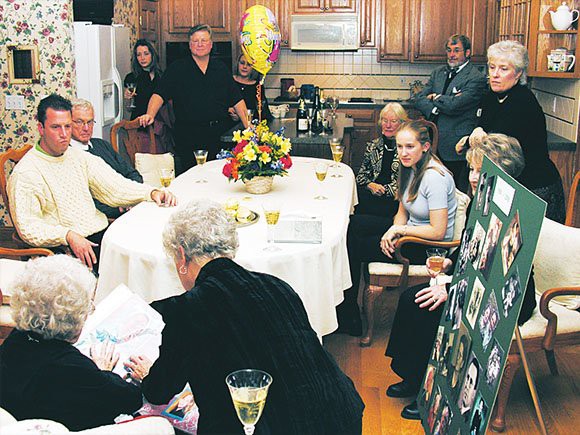
- The facility is described as a large, beautiful home with a very small clientele, creating a personal atmosphere.
- The staff, led by owner RN Becky, take the time to know every aspect of each resident’s personality and needs.
- The residents eat the same meals that Becky and her family eat, reinforcing a home-like environment.
- The mother-in-law’s room is large and private, and family members can stay and share meals at a reasonable cost.
- The staff are friendly and proactive with the resources they have, making Lakewood feel different from places that are more budget-driven.
Cons
 Some places have staff who are rude and only care about money.
- Other facilities are described as potentially worse because of rude, money-focused staff.
Review
Lakewood Assisted Living in Augusta, MI is best suited for families seeking an intimate, home-like setting where an elderly loved one receives constant, personalized attention rather than a broad, impersonal care model. The community excels for residents who need daily assistance but don’t require a large medical campus or a rigid, factory-style activity schedule. Led by Becky, a registered nurse and owner, the operation emphasizes continuity of care and a hands-on approach that translates into real understanding of each resident’s personality, routine, and preferences. The living spaces and dining atmosphere feel more like a private home than a facility, contributing to a sense of dignity, comfort, and security.
This is not the right choice for every situation. Families needing a larger campus with abundant programming, on-site specialists, or memory-care corridors may want alternatives. For residents requiring extensive medical oversight, frequent therapy, or highly structured daily activities, a bigger community with broader staffing will likely be more suitable. Distance can also matter; the reviewer notes Lakewood would have to be chosen even if it is on the far side of the state, suggesting that travel and visiting logistics could be a deciding factor for some families.
The strongest draw is the small, almost familial scale. With only a handful of residents, staff can know each person’s history and preferences intimately. The owner-operator model, anchored by Becky, yields a level of accountability and warmth that shows up in everyday interactions. Meals are shared experiences, mirroring what Becky and her family eat, which reinforces a sense of normalcy and belonging. Private, spacious rooms and the option for family to dine together at a very reasonable cost further reduce isolation and reinforce connection. The care team’s proactive use of available resources builds trust that families crave when placing a loved one in care.
On the downside, the same small scale that fuels personalized care can limit social options and formal programming. With only a few residents, there may be fewer companions for activities, and families should verify that the offerings align with the loved one’s interests and energy levels. The facility’s resource footprint, while deliberately intimate, implies reliance on leaner staffing and equipment; families evaluating long-term needs should ask about access to medical oversight, transportation, and emergency planning. For those requiring continuous 24/7 medical monitoring or more complex care needs, this setting may feel undersized.
Yet the pros offset these potential drawbacks in meaningful, practical ways. The close-knit environment cultivates safety, trust, and a level of attentiveness rarely found in larger communities. The ability to maintain familiar meals and even share private dining fosters emotional well-being and reduces the loneliness that often accompanies care transitions. A large private room preserves privacy and dignity, essential for quality of life in late years. In short, Lakewood converts the downside of limited size into a purposeful advantage through engaged staff, deep familiarity, and family involvement.
This community earns a strong recommendation for families prioritizing personalized attention, a true home-like atmosphere, and hands-on nursing leadership. It excels when the goal is to minimize care fragmentation and maximize the resident’s sense of belonging. For those who need more extensive medical services, richer social programming, or greater institutional scale, exploring alternatives with broader resources is prudent. The decision should hinge on a direct assessment: visit, meet the staff, observe interactions, and determine how well the setting aligns with the resident’s daily rhythms, privacy needs, and the family’s ability to participate. Lakewood is not merely a place to live; it is a partner in sustaining comfort, dignity, and meaningful connection.
 6 resident community capacity
 Assisted Living
 Cable or satellite TV
 Dining room
 Fully furnished
 Garden
 Housekeeping services
 Move-in coordination
 Outdoor space
 Telephone
 Wi-Fi/high-speed internet available
 Kalamazoo County (16 miles away)
 24-hour supervision
 Activities of daily living assistance
 Assistance with bathing
 Assistance with dressing
 Assistance with transfers
 Diabetes diet
 Meal preparation and service
 Medication management
 Special dietary restrictions
 Transportation arrangement (medical)
 Transportation to doctors appointments

 Assisted Living Support for Veterans: A Complete and Detailed Overview
 Exploring the Contrasts Between Assisted Living and Skilled Nursing
 8 Key Indicators That Suggest It May Be Time to Transition from Assisted Living to Skilled Nursing Care