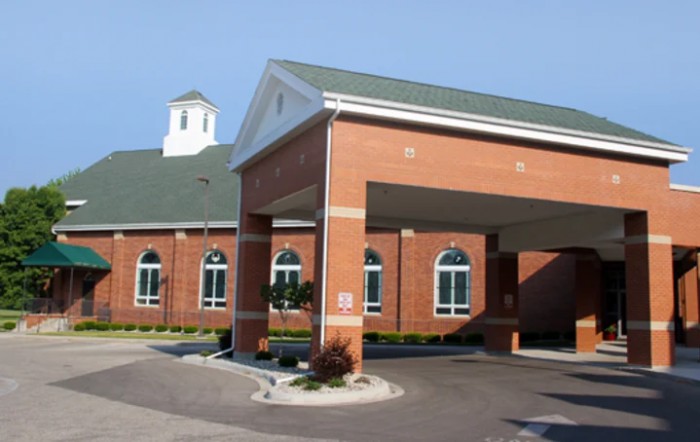


1200 Wright Ave, Alma, MI 48801
To contact a resident: (989) 466-3849
For more information about senior living options: (866) 208-4318
Michigan Masonic Home Costs & Pricing
At the Michigan Masonic Home, the monthly costs for various room types present a competitive alternative to both Gratiot County and statewide averages. For instance, a two-bedroom unit is priced at $1,405, aligning directly with Gratiot County but significantly lower than the state average of $3,523. Meanwhile, studio apartments are listed at $2,850, which is more economical than the county's $3,547 and quite close to the state average of $3,824. The one-bedroom option at Michigan Masonic Home is set at $3,780; although it exceeds Gratiot County's price of $4,485, it remains lower than the broader Michigan average of $3,384. Overall, these rates reflect an attractive proposition for residents seeking quality care while considering financial implications in comparison to local and state benchmarks.
| Floor plans | Michigan Masonic Home | Gratiot County | Michigan |
|---|---|---|---|
| 2 Bedrooms | $1,405 | $1,405 | $3,523 |
| Studio | $2,850 | $3,547 | $3,824 |
| 1 Bedroom | $3,780 | $4,485 | $3,384 |
Assisted Living communities with a similar price nearby
-
About the same
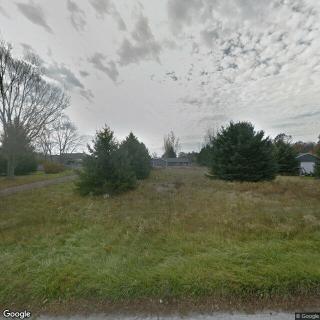
The Roosevelt House
$1,425 to $2,399 / month20.3 miles away -
from -$105 / mo
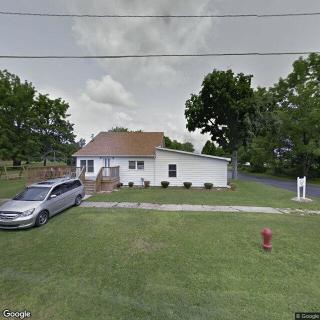
Ithaca AFC
$1,300 to $1,500 / month7.3 miles away
Overall Review of Michigan Masonic Home
Pros
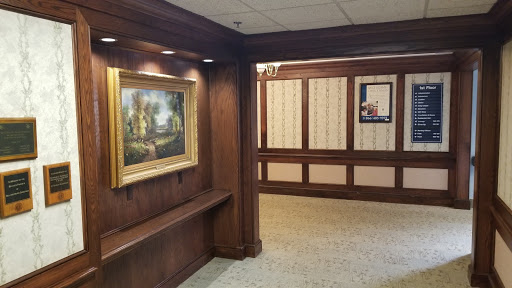
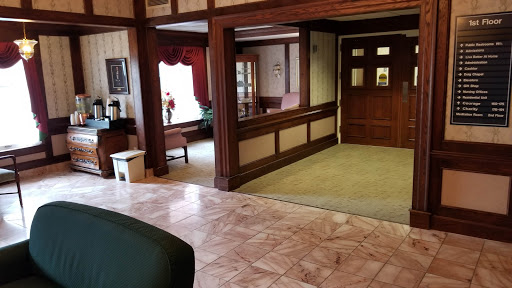
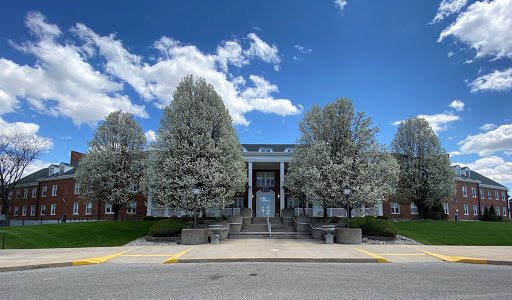
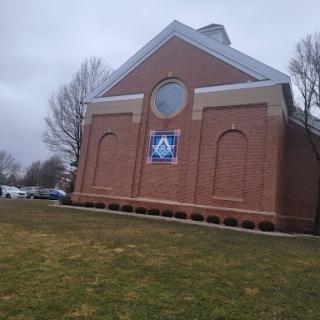
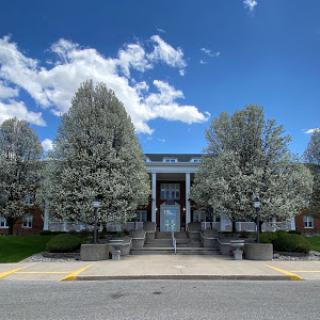
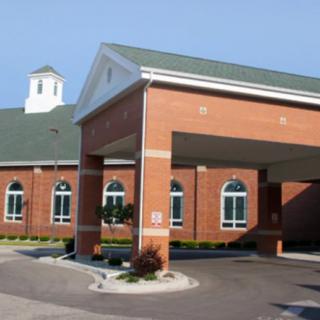
 The facility is absolutely beautiful with first-rate facilities and great staff.
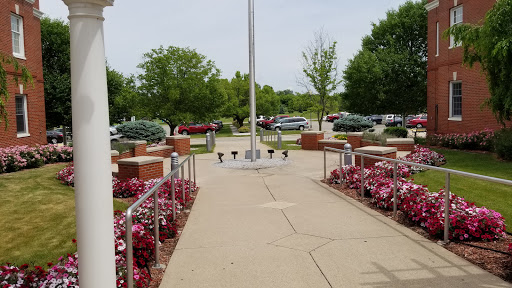
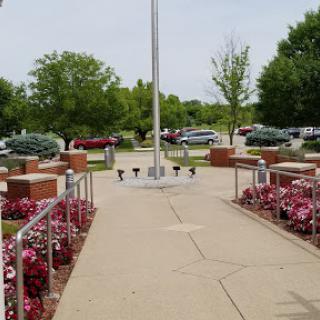
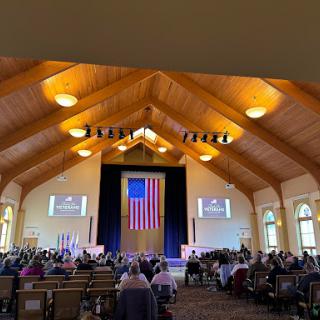
- The campus features beautiful grounds, multiple dining rooms, a chapel, and a wide range of resident activities.
- The on-site health clinic and doctors provide convenient, comprehensive care.
- The rooms are professionally laid out, and the building offers independent, assisted, and total care.
- The food is consistently praised, with a variety of options and even quick-service seating.
- The staff are helpful, knowledgeable, and dedicated to residents' well-being.
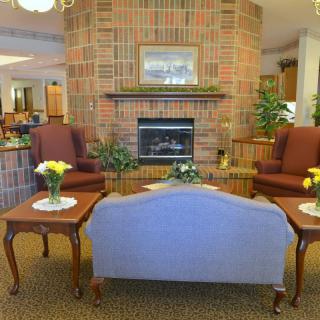
- The environment is clean, well-maintained, and feels welcoming and home-like.
- Families report excellent care, compassionate staff, and positive experiences.
Cons
 The care was not as top-notch as the building itself.
- The sheer volume of residents and the constantly floating staff made the care feel less personal.
- It was difficult to learn the staff's names and to have concerns followed up.
- The small issues took much longer to be resolved than they should have.
- They could not get a reliable Internet connection.
- It was too large of a home for her to manage by herself.
- It was very expensive.
- The care left something to be desired.
- Minor day-to-day errors occurred occasionally, detracting from overall quality.
Review
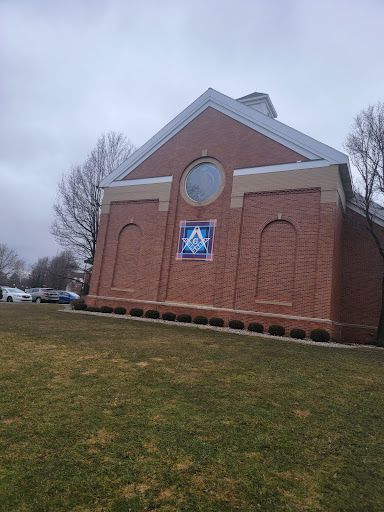
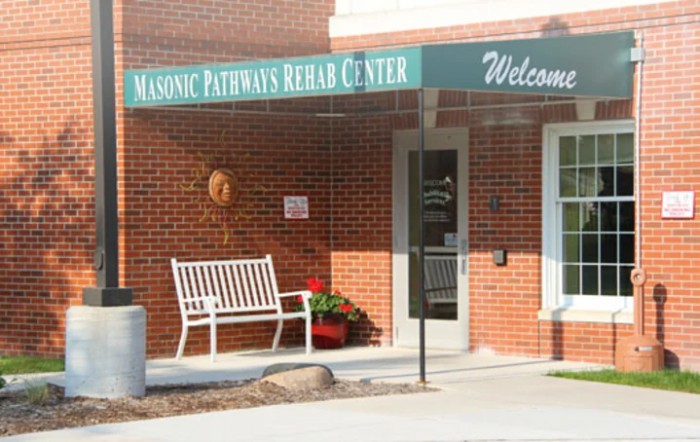
Michigan Masonic Home in Alma is best suited for families seeking a large, upscale senior campus that delivers a wide spectrum of care on one site and values a fraternal affiliation as part of the resident experience. It works well for seniors who want independence but also desire ready access to assisted living, skilled nursing, rehab, and on-site medical specialists. The combination of a robust amenities package, multiple dining options, and a strong activity calendar makes it a practical choice for those who prize social engagement and convenience. The arrangement also appeals to families who can leverage Masonic Pathways pricing to offset costs, even though the overall price tag remains meaningful.
Alternatives are worth considering for anyone prioritizing a smaller, more intimate living environment or a tighter budget. A few reviewers describe the campus as large enough to feel impersonal, with staff turnover and “floating†staffing that can slow response times. For residents who require highly individualized, hands-on attention or specialized memory-care that feels more personal than a sprawling campus can sustain, smaller communities with a steadier staff-to-resident ratio may deliver the consistency those needs demand. In short, affordability and the preference for a boutique feel tilt the balance away from this campus.
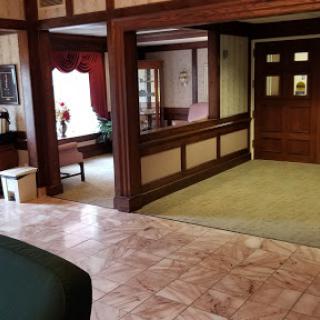
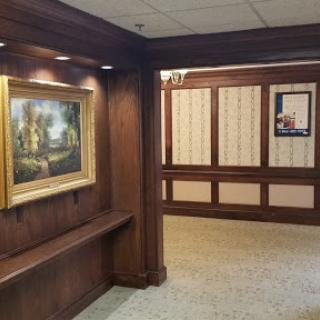
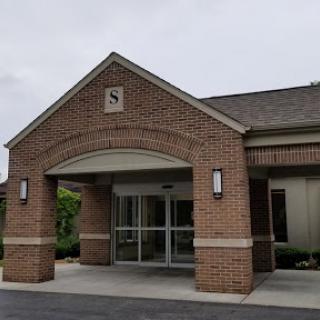
On the strength side, the facility’s key draws are formidable. The grounds and interiors carry a polished, welcoming look, with multiple living options including apartments and private rooms, plus a chapel and three dining venues plus a casual on-site cafe, an arrangement that reduces meal-time friction and fosters social interaction. The on-site health clinic, with visiting doctors and on-site specialists, creates a rare level of medical continuity, and rehab and therapy services are embedded into the campus. Residents rarely have to chase care beyond the doors, and the culinary variety is repeatedly praised, supporting both nutrition and morale. Cleanliness and well-maintained spaces reinforce a sense of reliability and safety.
Those advantages matter most when the main risks of a large campus are weighed. The strongest offset comes from integrated care: the ability to transition from independent living to assisted or skilled nursing without uprooting the resident is a meaningful safeguard for families planning long trajectories. The presence of multiple dining rooms and activity programs, along with on-site medical access, mitigates the sense of isolation that can accompany a big community and helps sustain independence longer for many residents. The financial edge tied to Masonic affiliation is a tangible, practical benefit for those able to access it, making the campus more competitive within a premium segment.
Yet cautions remain worth flagging. The size can translate into less personalized attention for some residents, with staff turnover and busy floors slowing follow-through on small concerns. A few families note that the care experience did not feel as “top notch†as expected given the facility’s prestige, especially when compared to denser, more intimate settings. For memory care or highly dependent situations, it’s essential to tour the specific unit and interview staff about ratios, routines, and responsiveness. Internet connectivity and other practical irritants appeared in some accounts, underscoring the importance of verifying how the campus supports communication devices and daily needs for residents with special requirements.
In the end, Michigan Masonic Home stands out as a practical, well-resourced option for families prioritizing breadth of services, on-site medical access, and a lively, socially engaged environment, especially for those who can take advantage of Masonic pricing. It is less compelling for families seeking a small-town, low-cost, or ultra-personalized care setting where every staff interaction can feel tailor-made. Pros offset the potential downsides when the care plan emphasizes staying on the campus for preventive health, rehab, and routine medical needs, and when financial considerations align with the Masonic Pathways framework. For best outcomes, schedule a thorough tour, scrutinize the specific unit of interest, and insist on conversations about staffing, response times, and the exact mix of services included in the rate.
 1-bedroom apartments
 Assisted Living
 Independent Living
 Memory Care
 Skilled Nursing Facility
 Activities on-site
 Beautician on-site
 Cable or satellite TV
 Cafe
Cafe Computer center
 Devotional services off-site
 Dining room
 Financial aid
 Full kitchen
 Garden
 Golf
Golf Guest parking
 Hiking trails
 Housekeeping services
 Indoor common areas
 Laundry
 Respite or short term stays offered
 Wi-Fi/high-speed internet available
 Transportation & parking
 Ambulatory care
 Assistance with bathing
 Assistance with dressing
 Hospice care
 Meal preparation and service
 Medication management
 Physical therapy
 Walking wheelchair assistance
 Arts and crafts
 Educational speakers / life long learning
 Fitness programs
 Games
Games English

 Memory Care Pathways: A Holistic Guide to Dementia Support
 Comprehending Evening Confusion in Dementia: Causes, Manifestations, and Support
 Delirium and Dementia: Unraveling the Key Differences