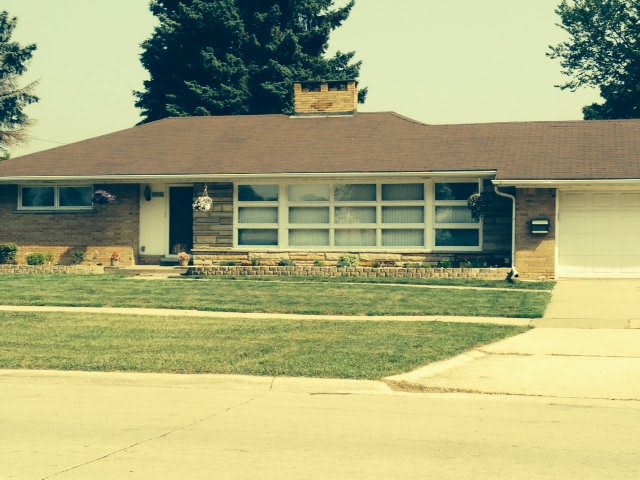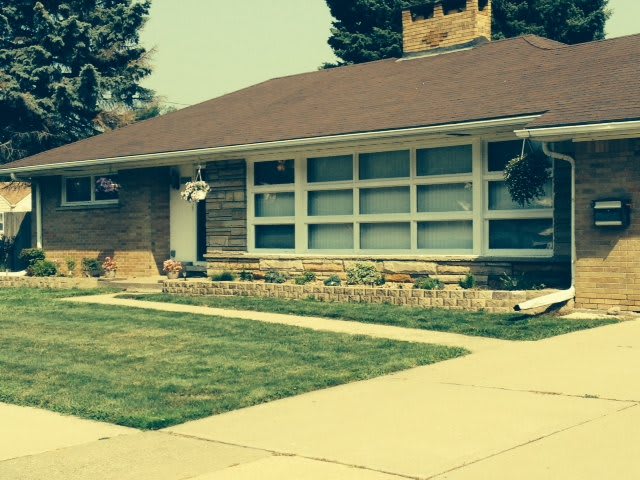
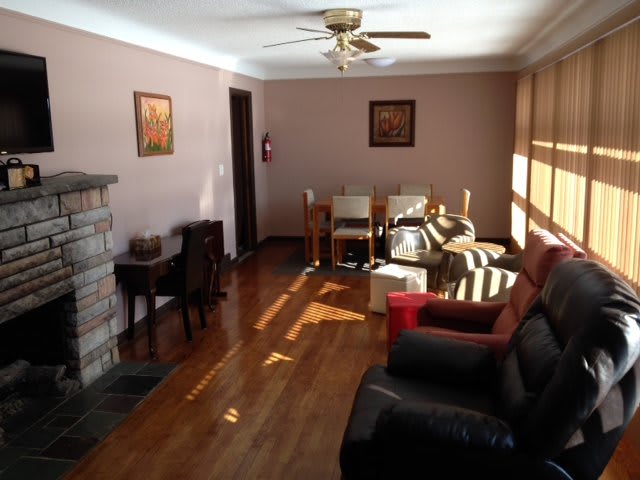
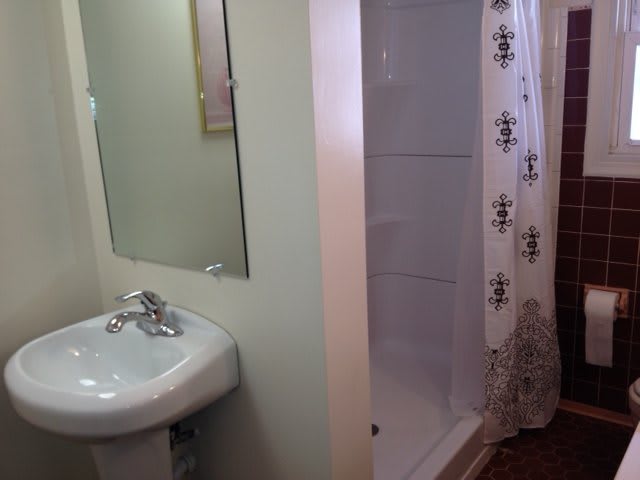
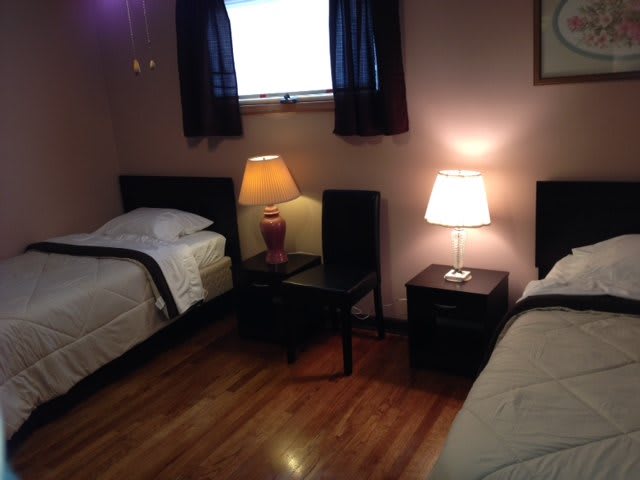
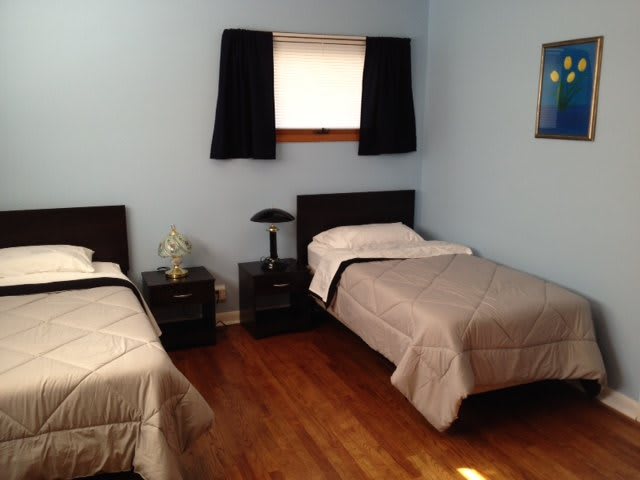
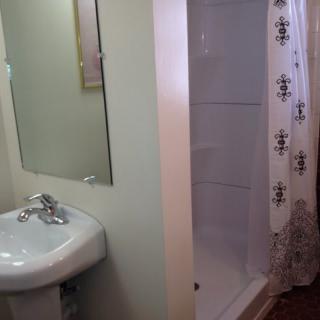

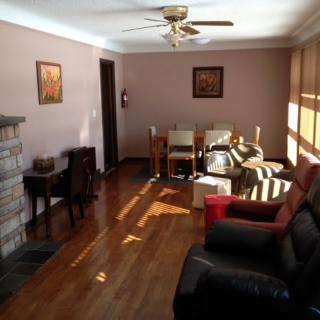
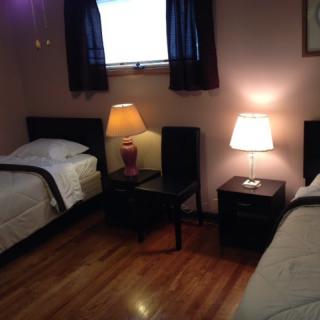
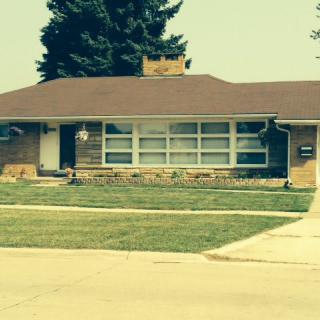
19330 Champaign, Allen Park, MI 48101
For more information about senior living options: (866) 208-4318
Allen Park Community Living Center Costs & Pricing
At the Allen Park Community Living Center, monthly costs for resident accommodations reflect a balance between local and state averages. For those opting for semi-private rooms, the rate is set at $3,000, which is slightly higher than Wayne County's average of $2,860 but below Michigan's overall average of $3,191. Meanwhile, residents choosing private rooms will find the cost at $5,500 - a significant increase compared to both Wayne County's average of $3,335 and Michigan's statewide average of $3,675. These figures suggest that while Allen Park offers competitive pricing for semi-private accommodations, the rates for private rooms may be perceived as premium in comparison to neighboring areas and overall state metrics.
| Floor plans | Allen Park Community Living Center | Wayne County | Michigan |
|---|---|---|---|
| Semi-Private | $3,000 | $2,860 | $3,189 |
| Private | $5,500 | $3,335 | $3,674 |
Memory care communities with a similar price nearby
-
About the same
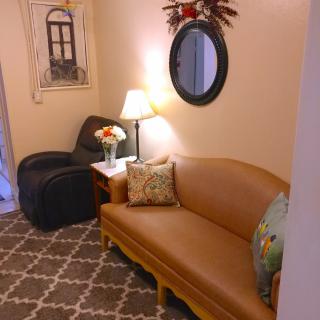
Hutcheson Manor
$3,000 to $4,500 / month14.9 miles away -
from +$200 / mo
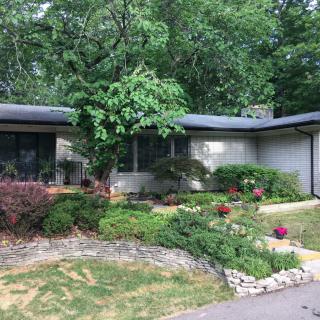
Vicky's Place
$3,200 to $6,000 / month19.3 miles away -
from +$500 / mo
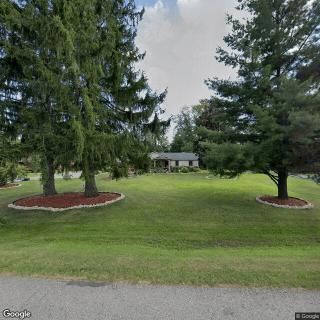
Briar Hill Assisted Living
$3,500 to $4,500 / month16.2 miles away -
About the same
Butternut Hill Senior Living
$3,000 to $4,000 / month22.6 miles away -
About the same

Fostered Hearts
$3,000 / month22.0 miles away
Overall Review of Allen Park Community Living Center
Pros
 The staff is caring and capable.
- It feels like home and provides high-quality care.
- Truly home-cooked meals are provided.
- The cost is much lower than a nursing home.
- It’s a gem that families are glad they found.
- The environment is a beautiful home with friendly, competent staff.
Cons
 One reviewer wished they could give negative stars.
- One reviewer warned that the facility would violate HIPAA by discussing the details.
Review
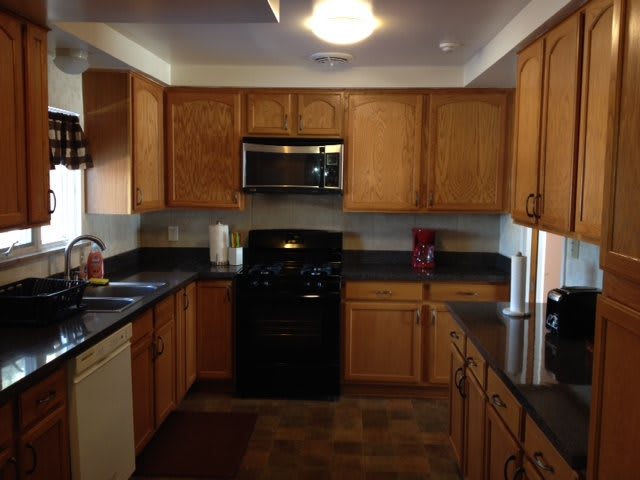
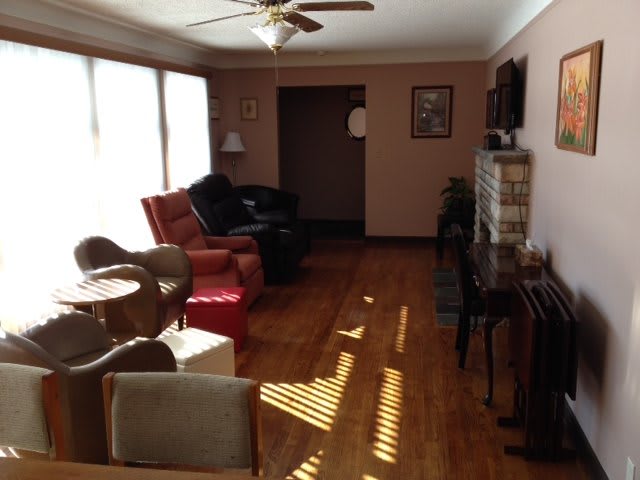
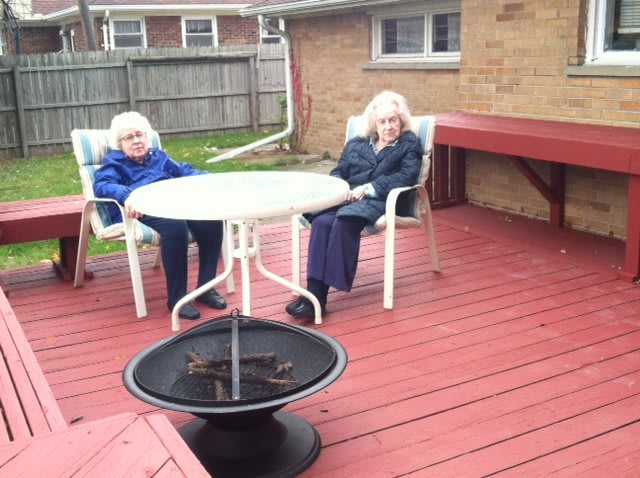
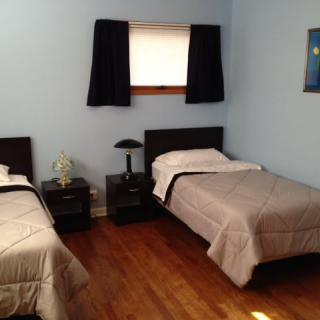
This community is best suited for families seeking a warm, home-like setting where daily personal attention, home-cooked meals, and affordability carry real weight. Across multiple accounts, Allen Park Community Living Center stands out as a place where loved ones feel welcomed and cared for by staff who are described as loving, engaged, and capable. Residents often appear comfortable, and families frequently highlight the “at-home” feel, the friendliness of the environment, and the sense that care is individualized. The standout draw is affordability relative to a nursing home, paired with a genuine, personal touch that makes daily life feel manageable and dignified for seniors who do not require intensive medical interventions around the clock.
That clarity, however, also points to who may want to consider alternatives. For anyone prioritizing highly structured medical oversight, 24/7 skilled nursing services, or strict, formal privacy protections, this setting can feel underwhelming. The mix of reviews includes serious warnings about inconsistent experiences and privacy concerns, including an explicit HIPAA-related complaint that some readers will weigh heavily. With several one- and two-star voices alongside a handful of five-star endorsements, the overall experience reads as highly variable. In short, those who need robust medical management or airtight privacy safeguards should explore other options with stronger clinical capabilities and clearer compliance practices.
The strongest positives here, the staff’s caring attitude, the perceived capability to meet daily needs, and the home-like atmosphere, easily offset many of the potential drawbacks for the right resident. Families repeatedly praise caregivers who “took good care” of loved ones, noting daily attention to needs and consistent appearance and well-being during visits. The home-like ambiance and the sense of personal connection with caregivers are more than mere niceties; they contribute to stability and comfort for residents who thrive on routine, regular interaction, and predictable routines. When meals are described as truly home-cooked, that is not a minor comfort but a meaningful factor for quality of life and overall satisfaction for many seniors who value familiar, satisfying nourishment over institutional fare.
That said, the cons carry sufficient gravity to affect decisions for certain residents. The marked variability in reviews signals that not all experiences are equal, and there may be days or weeks where communication falls short or where the care team’s consistency isn’t as reliable as hoped. The privacy-related remark is not trivial; if a family’s priority is spotless confidentiality and a culture of strict information governance, this is a critical issue to verify directly during tours and conversations with staff and current families. In any case, prospective residents should demand a clear, written outline of care plans, daily routines, and how updates are shared with family members, as well as direct opportunities to observe caregiver-resident interactions.
Practical due diligence can meaningfully sharpen the alignment between a resident’s needs and what Allen Park Community Living Center delivers. Seek a candid tour that includes time with front-line caregivers, not just administrators, and request to speak with multiple families about consistency of care and communication. Ask for a current menu, a sample weekly activity calendar, and explicit details on staffing levels during day, evening, and weekend shifts. Inquire about privacy safeguards, staff training, incident reporting practices, and any recent inspection outcomes. If discounts and cost control are a priority, request a transparent breakdown of what is included in the monthly rate and what would count as add-ons.
The bottom line is clear. Allen Park Community Living Center can be an excellent fit for seniors who prize a home-like setting, personal warmth from a dedicated staff, and cost-conscious living without extensive medical interventions. It is less suited for residents requiring intensive clinical oversight or for families with uncompromising expectations around privacy and formalized, uniform care standards. For those who fit the former profile, the positives, genuine care, daily life feeling comfortable and familiar, and comparatively affordable pricing, often outweigh the downsides. For those who don’t, alternatives offering stronger medical resources and tighter governance are worth pursuing to avoid unmet needs and lingering privacy concerns.
 6 resident community capacity
 Assisted Living
 Board and Care Home
 Memory Care
 Activities on-site
 Air-conditioning
 Bath tubs
 Cable or satellite TV
 Devotional services off-site
 Dining room
 Fully furnished
 Garden
 Ground floor units
 Housekeeping services
 Indoor common areas
 Move-in coordination
 Outdoor common areas
 Private
 Private bathrooms
 Respite or short term stays offered
 Telephone
 Wheelchair accessible showers
 Wi-Fi/high-speed internet available
 Detroit Metropolitan-Wayne County (7 miles away)
 24-hour supervision
 Ambulatory care
 Assistance with bathing
 Assistance with dressing
 Assistance with transfers
 Diabetes diet
 Diabetic care
 High acuity care
 Incontinence care
 Meal preparation and service
 Medication management
 Special dietary restrictions
 Transportation arrangement (medical)
 Transportation to doctors appointments
 Birthday parties
 Karaoke
 Stretching classes
 Wii bowling



 Memory Care Pathways: A Holistic Guide to Dementia Support
 Comprehending Evening Confusion in Dementia: Causes, Manifestations, and Support
 Delirium and Dementia: Unraveling the Key Differences