
312 Trowbridge Street, Allegan, MI 49010
For more information about senior living options: (866) 208-4318
Overall Review of Allegan Enrichment Center II
Pros
 Tiny Tigers is an awesome daycare with caring staff.
- The daycare provides healthy meals and fun activities for the kids.
- Communication with parents about the child’s day is excellent, with photos showing what the child is learning.
- The daycare is worth the wait and has been fantastic.
- The staff are sweet and take excellent care of the children.
- Families receive frequent updates about their child’s day, including meals and activities, with photos of their child’s day.
Cons
 None found.
Review
This community appears best suited for families evaluating a care option that emphasizes warmth, daily structure, and transparent, ongoing communication. The reviewed staff are described as attentive and genuinely caring, with caregivers who participate in meaningful activities and create a reassuring daily rhythm. Healthy meals paired with engaging programming help residents feel valued and connected, while frequent updates, often with photos, let families see what a typical day looks like. In practice, these elements deliver a reliable, experiential sense of security for loved ones who thrive on routine and social engagement, and for families who cannot be on site every day.
Those who may want to consider alternatives are families whose loved ones require more intensive medical oversight or specialized care. If skilled nursing, memory-care programming, 24/7 supervision, or highly regulated healthcare protocols are non-negotiable, this setting may not meet those needs. Transportation to appointments, complex medication management, or residents requiring ongoing clinical monitoring are areas where alternatives with licensed nursing staff and clearly defined medical support should be explored. The reviews do not address these higher-acuity requirements, so prudent families will want confirmation of capabilities beyond what the current observations capture.
The core pros, caring staff, consistent communication, nutritious meals, and structured enrichment, do a meaningful job of offsetting potential gaps for a certain resident profile. The warmth of caregivers and the predictability of daily routines reduce family anxiety and increase resident comfort, which in turn supports morale and participation. The downside is the lack of explicit information about medical staffing, emergency procedures, and elder-specific programming. For residents who are medically stable and socially oriented, these strengths create a compelling value proposition. For those with complex health needs, the absence of visible clinical supports cannot be ignored.
From a decision-making standpoint, prospective families should ask pointed questions before committing. How robust is the staffing model, staff-to-resident ratios, turnover, and training in elder care versus child-care? What licenses, certifications, and on-site medical capabilities exist? How are meals tailored to senior nutrition, diabetes-friendly menus, or dietary restrictions? What enrichment offerings are available for seniors (art, music, exercise, memory-care activities), and how are mobility or cognitive needs accommodated? What is the family communication protocol, daily updates, photos, incident reporting, and accessibility to care coordinators?
The resident profile most likely to flourish here includes socially inclined seniors who value companionship and routine, and who benefit from predictable days and visible caregiving. Independent or lightly assisted residents who enjoy activities and snacks of social significance will likely find reassurance in the regular updates and family-friendly transparency. This setting can also function as a practical landscape for respite or day-program options, where families seek consistent caregiving without the full requirements of around-the-clock nursing care. Those relying on specialized medical oversight would want to pair such benefits with a clearly defined plan for clinical support.
Bottom line: for families prioritizing dependable, communicative care and engaging daily life, the described strengths offer tangible value and can make a compelling case for Allegan Enrichment Center II as a supportive option. Yet for residents with complex medical needs, memory-care demands, or transportation-heavy requirements, it is essential to pursue facilities with robust elder-care credentials and on-site healthcare services. The key is aligning the program’s demonstrated warmth, meals, and daily structure with the resident’s medical, cognitive, and mobility realities, and verifying that medical and adaptive supports are in place before making a final commitment.
 6 resident community capacity
 Assisted Living
 Cable or satellite TV
 Dining room
 Fully furnished
 Garden
 Housekeeping services
 Move-in coordination
 Outdoor space
 Telephone
 Wi-Fi/high-speed internet available
 24-hour supervision
 Activities of daily living assistance
 Assistance with bathing
 Assistance with dressing
 Assistance with transfers
 Diabetes diet
 Meal preparation and service
 Medication management
 Special dietary restrictions
 Transportation arrangement (medical)
 Transportation to doctors appointments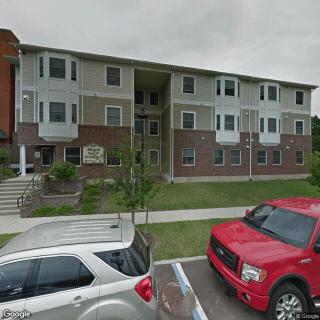


 Choosing the Right Senior Care: A Detailed Exploration of Assisted Living and Nursing Homes
 Understanding the True Cost of Assisted Living in 2025: A Comprehensive Guide
 Understanding Medicaid Coverage for Assisted Living: A Comprehensive Guide