
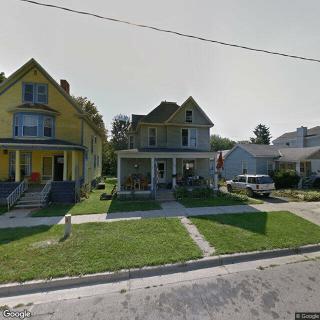
1050 Laberdee Road, Adrian, MI 49221
For more information about senior living options: (866) 208-4318
Overall Review of Whispering Pines Adult Foster Care
Pros
 Whispering Pines took care of her mom for five years.
- She was very happy there.
- They made her feel right at home.
- They’re the best.
Cons
 Bad quality of care.
- Dishonest and unprofessional.
Review
Whispering Pines Adult Foster Care in Adrian, MI is best suited for families seeking a small, home-like environment where a resident receives steady, personalized attention from a tight-knit caregiving team. The setting is clearly designed for long-term placement, with an emphasis on everyday familiarity, routine, and emotional warmth. Residents who value being treated like a member of a family, who thrive on consistent caregiver relationships, and who do not require intensive 24/7 medical nursing will likely feel most comfortable here. The intimate scale tends to translate into a sense of belonging and predictable days, which can be a powerful anchor for seniors who prioritize comfort and stability over institutional amenities.
Those weighing alternatives should note who may want to look elsewhere. For seniors with high medical needs, frequent skilled-nursing oversight, or complex memory-care requirements, Whispering Pines may fall short of expectations. A cautious eye should be kept on the potential for inconsistent care quality or professionalism, especially in a small operation where staffing and governance are less visible than in larger facilities. The feedback landscape here is uneven: two reviews celebrate years of happy, home-like care, while a single strong critique raises questions about standards and trust. This split should prompt thorough due diligence rather than mere acceptance of the positive impressions.
The strongest actionable positives point to a family-centered, affectionate caregiving approach. Reviewers describe “loving care,” a sense that the resident is made to feel at home, and a long tenure of care that builds trust and familiarity. In practice, that translates into caregivers who learn a resident’s routines, preferences, and small signals for help, resulting in meals, activities, and daily rhythms that feel tailored rather than generic. For families, these aspects can reduce anxiety about daily oversight, encourage resident happiness, and support consistent engagement with activities and social interaction, elements that often determine quality of life just as much as medical support.
On the downside, one review explicitly casts doubt on quality and professionalism, signaling a risk that should not be dismissed. Combined with the otherwise positive experiences, this suggests a potential inconsistency in performance or governance that families must actively verify. The main risk in such a setting is that gaps in oversight or communication could leave a discrepancy between what is promised and what is delivered, especially if a resident’s needs shift over time. The offset here relies on proactive transparency: clear caregiver-to-resident ratios, documented care plans, and straightforward channels for reporting concerns and escalating issues when they arise.
For families deciding whether Whispering Pines is the right fit, the decision hinges on balance. If the priority is steady, affectionate, long-term companionship within a small, home-like atmosphere, this community can deliver meaningful peace of mind. If instead the expectation includes rigorous clinical oversight, robust memory-care programming, or a track record of unassailable professionalism in every interaction, alternatives with larger staffing, formalized governance, and established complaint resolution processes may be more appropriate. Whispering Pines can serve as a strong, nurturing option for a suitable profile, while others should keep a few doors open for more structured care environments.
The practical next move is clear: visit with a plan. Families should request a tour, observe caregiver-resident interactions, and speak directly with current residents and families about day-to-day responsiveness and consistency. Ask for the staffing schedule, ratio of caregivers to residents, and the exact credentials of those providing hands-on care. Request a copy of the state license, a sample care plan, and a written policy on issue resolution, medication administration, and billing transparency. If a trial period or a staged transition is possible, that can illuminate real-world performance beyond initial impressions. In the end, Whispering Pines is a compelling choice for warmth and continuity, provided diligence confirms that the care quality, professionalism, and governance align with family expectations and resident needs.
 6 resident community capacity
 Assisted Living
 Cable or satellite TV
 Dining room
 Fully furnished
 Garden
 Housekeeping services
 Move-in coordination
 Outdoor space
 Telephone
 Wi-Fi/high-speed internet available
 Toledo Express (24 miles away)
 24-hour supervision
 Activities of daily living assistance
 Assistance with bathing
 Assistance with dressing
 Assistance with transfers
 Diabetes diet
 Meal preparation and service
 Medication management
 Special dietary restrictions
 Transportation arrangement (medical)
 Transportation to doctors appointments




 Understanding Medicaid Coverage for Assisted Living: A Comprehensive Guide
 How and When Medicaid May Cover Assisted Living Costs
 A Detailed Exploration of Assisted Living Medicaid Waivers Across the United States