
507 Dennis, Adrian, MI 49221
For more information about senior living options: (866) 208-4318
Overall Review of Cates Afc Home
Cons
 They let residents smoke weed on the awning over the porch and on the roof, which seems unsafe.
- The practice appears unsafe and poorly managed.
- This policy raises safety concerns about the property.
Review
This community is best suited for families seeking a compact, home-like setting where care is delivered in a small, intimate environment rather than in a bustling campus. It may appeal to seniors who prioritize privacy, a simple routine, and a lower-stimulation backdrop over the assurances of a larger, more formal facility. Prospective residents who can tolerate a lean operation and value direct, uncomplicated living arrangements will find this AFC home fits their preference for a less institutional feel in Adrian, Michigan. The appeal hinges on personal comfort with a small-scale model of care where neighbors and staff interactions are more immediate, provided safety and oversight are not compromised.
Those weighing alternatives should focus on residents who require strong, predictable safety measures, explicit policy enforcement, and robust, around-the-clock supervision. Families needing a strict smoke-free environment, rigorous fire safety protocols, comprehensive medication management, or consistent documentation of policies will likely find this options landscape more reliable elsewhere. Larger assisted living facilities with formal licensing histories, visible staffing benchmarks, and clear incident-reporting processes typically provide the level of accountability that this single-review setting did not demonstrate. For residents with memory issues, high fall risk, or behavioral complexities, the absence of documented safeguards should push families toward more established programs.
The lone review paints a stark picture: a risk-laden outdoor smoking scenario that involves weed on an awning over a porch, and even on a roof. That detail is not a minor quirk; it signals potential gaps in safety protocols, fire risk, and supervision. In a setting serving seniors, such lapses are magnified by vulnerability to poor judgment, impaired mobility, and respiratory sensitivities. If management tolerates or fails to correct hazardous outdoor practices, the rest of the care framework, the staffing responsiveness, medication administration, and emergency readiness, cannot be assumed to be consistently reliable. In practical terms, this raises immediate red flags about daily risk management and licensing compliance.
The potential benefits of a small, homey environment, closer staff attention, flexible routines, and a quieter living pace, do not automatically offset the significant safety concerns raised. The absence of explicit strengths highlighted in the available information makes the risk calculus straightforward: until safety and policy enforcement are visibly sound, the main cons significantly dominate. Families should not assume that a one-star review represents the full story, but the severity of the reported practice warrants careful verification. Any decision should hinge on tangible proof of safer operating practices, not hopeful assumptions about intimate settings.
Before choosing, families should demand concrete answers to a disciplined set of questions: What is the exact smoking policy for residents, visitors, and staff, especially around outdoor spaces and egress routes? Are outdoor areas and the roof areas secured and monitored, with clear fire-safe practices and restricted access for residents with mobility or cognitive challenges? What licensing citations, if any, exist, and how has administration addressed past safety concerns? What are the staff-to-resident ratios by shift, and how are medications managed and supervised? How are emergencies, fall incidents, and routine safety drills documented, reviewed, and communicated to families? What are meal quality, activity availability, transportation options, and staffing stability week to week?
In short, this community carries a serious safety caveat that cannot be ignored. It is not the first option for seniors who depend on consistent policy enforcement and visible, proactive risk management. It may be considered only for those families who can commit to rigorous oversight, demand transparent safety records, and are prepared to pursue alternative placements if the facility proves unable to align practice with perfectly reasonable safety expectations. For most, the prudent move is to explore options with clearly documented safety standards, stronger regulatory alignment, and a track record of maintaining fire-safe, smoke-regulated outdoor areas before making any commitment.
 12 resident community capacity
 Assisted Living
 Board and Care Home
 Respite Care
 Cable or satellite TV
 Dining room
 Fully furnished
 Garden
 Housekeeping services
 Move-in coordination
 Outdoor space
 Telephone
 Wi-Fi/high-speed internet available
 Toledo Express (24 miles away)
 24-hour supervision
 Activities of daily living assistance
 Assistance with bathing
 Assistance with dressing
 Assistance with transfers
 Diabetes diet
 Meal preparation and service
 Medication management
 Special dietary restrictions
 Transportation arrangement (medical)
 Transportation to doctors appointments
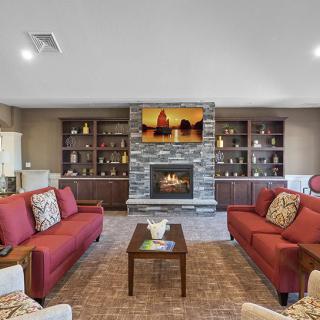
 Clean, welcoming atmosphere with friendly staff, engaging activities, and affordable pricing.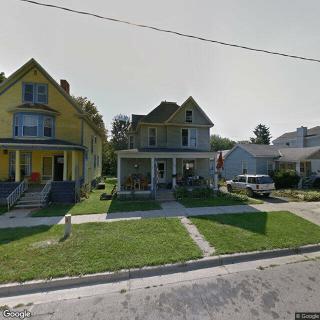



 Vibrant Senior Living: A Comprehensive Guide for Active Older Adults
 When to Transition from Assisted Living to Memory Care: Key Indicators, Steps, and Finding the Right Community
 Assisted Living and Memory Care: Understanding Their Core Differences