Windrose at Woburn offers unique pricing structures for its accommodations, reflecting the quality of care and amenities provided. For a semi-private room, the monthly cost is set at $7,450, which is notably higher than both the Middlesex County average of $6,395 and the Massachusetts state average of $5,805. This premium pricing indicates a focus on enhanced services and facilities designed for resident comfort and well-being. Additionally, for those considering studio apartments, Windrose's rate is $8,450 - a significant increase compared to the county's average of $5,867 and the state's average of $5,312. These costs suggest that Windrose positions itself as a premium choice in an otherwise competitive landscape, appealing to individuals seeking elevated living options within assisted living environments.
Floor plans
Windrose at Woburn
Middlesex County
Massachusetts
Semi-Private
$7,450
$6,395
$5,805
Studio
$8,450
$5,867
$5,312
Memory care communities with a similar price nearby
Families mention frequent updates and quick responses from the community relations director.
Several families highlight support around the transition and say they received frequent updates, photos, and easy-to-reach communication. Reviews also point out that questions and concerns were answered promptly. A few residents’ families describe comfort from these check-ins when they couldn’t be there daily.
common6 reviews mention this
Meals are a frequent highlight
Residents’ families often praise the quality of meals and meal service.
Dining comes up repeatedly, with reviewers describing meals as delicious and enjoyable, including mentions of options at each meal. Some families also reference a structured dining experience with multiple courses or consistent meal timing. One reviewer did note that food could be bland and overcooked, and that more variety or improvement would help.
common10 reviews mention this
Activities keep residents engaged
Many reviews describe daily activities that help residents stay social and active.
Multiple families say the community keeps residents engaged with scheduled activities and social time. Reviews mention group events and resident participation, including crafts and discussion-style activities, as well as times when residents were entertained instead of staying inactive. A reviewer looking for more movement also suggested increased exercise would be beneficial for at least one loved one.
caveat3 reviews mention this
Care feels right, but reviews vary
A small number of reviews raise concerns about care consistency.
Most reviews describe safe, caring, and clean day-to-day experiences, but a few are sharply negative. One reviewer described serious problems during a difficult period and questioned how care worked when things were tough. Another reviewer reported concerns about room size and cleanliness, while a third mentioned gaps in wellness communication alongside dissatisfaction with food and activity levels.
How we summarize
Counts show how many written reviews mention each theme; a review can touch several themes, and only frequently mentioned themes are displayed.
Features
Housing
35 resident community capacity
Studio apartments
Types of Care
Assisted Living
Memory Care
Amenities
Activities on-site
Air-conditioning
Beautician on-site
Beauty salon
Cable or satellite TV
Devotional services on-site
Dining room
Fully furnished
Garden
Ground floor units
Handicap accessible
Housekeeping services
Indoor common areas
Kitchenette
Move-in coordination
Outdoor common areas
Outdoor space
Private bathrooms
Respite or short term stays offered
Restaurant-style dining
Small library
Telephone
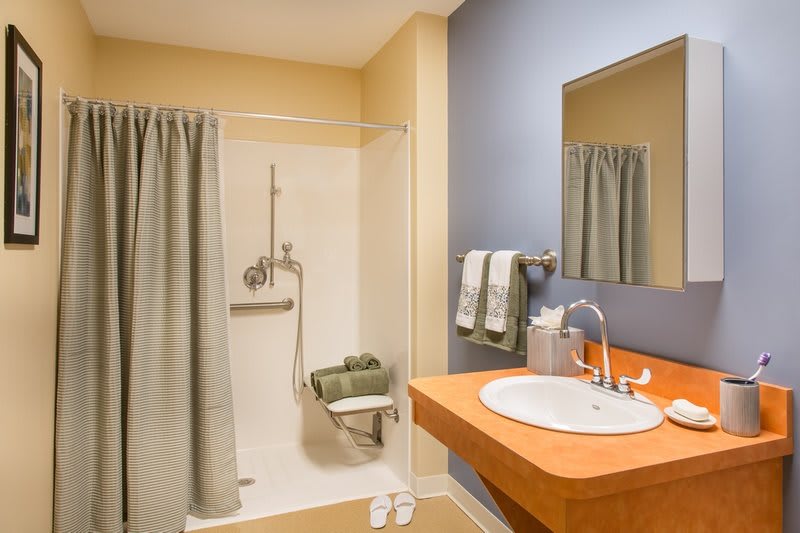
Wheelchair accessible showers
Wi-Fi/high-speed internet available
Transportation
Gen Edw L Logan International (12 miles away)
Care Services
24-hour call system
24-hour supervision
Activities of daily living assistance
Assistance with bathing
Assistance with dressing
Assistance with transfers
Diabetes diet
High acuity care
Incontinence care
Meal preparation and service
Medication management
Mental wellness program
Special dietary restrictions
Dining
Diabetes diet
Guest meals
Low / no sodium
Meals provided
No Sugar
Restaurant style dining
Special dietary restrictions
Special dining programs
Vegetarian
Activities
Art classes
Catholic services
Community-sponsored activities
Cooking classes
Day trips and outings
Devotional activities on-site
Educational speakers / life long learning
Happy hour
Jewish services
Karaoke
Live dance or theater performances
Live musical performances
Resident-run activities
Scheduled daily activities
Visiting chaplain or priest
Nearby Places of Interest
This part of Woburn, Massachusetts offers a variety of amenities and services that cater to senior living. With several pharmacies located within close proximity, access to medication and healthcare needs is convenient. There are also numerous restaurants offering diverse dining options for seniors looking to enjoy a meal out. Additionally, the presence of hospitals and medical facilities like Lahey Clinic ensures quality healthcare is easily accessible. For recreational activities, there are several parks nearby such as Mary Cummings Park and Middlesex Fells Reservation providing opportunities for outdoor exercise and leisure. Transportation options like the Ballardvale Mbta Station allow for easy travel around the area. Overall, this part of Woburn provides a mix of essential services, dining options, medical facilities, and recreational activities making it a desirable location for senior living.
Windrose at Woburn offers unique pricing structures for its accommodations, reflecting the quality of care and amenities provided. For a semi-private room, the monthly cost is set at $7,450, which is notably higher than both the Middlesex County average of $6,395 and the Massachusetts state average of $5,805. This premium pricing indicates a focus on enhanced services and facilities designed for resident comfort and well-being. Additionally, for those considering studio apartments, Windrose's rate is $8,450 - a significant increase compared to the county's average of $5,867 and the state's average of $5,312. These costs suggest that Windrose positions itself as a premium choice in an otherwise competitive landscape, appealing to individuals seeking elevated living options within assisted living environments.
The range of services offered at Windrose at Woburn is designed to enhance the quality of life for residents with dementia or Alzheimer's disease, providing essential support tailored to their unique needs. Around-the-clock supervision ensures that residents are safe and secure at all times, while assistance with activities of daily living--such as bathing, dressing, and transfers--promotes dignity and fosters independence. Incontinence care addresses a common challenge faced by many individuals in these stages, alleviating discomfort and anxiety. Meal preparation and service are managed to ensure that residents receive nutritious meals that cater to their preferences, supporting both physical health and social engagement during mealtimes. Medication management helps maintain proper health regimens, reducing the risk of confusion or missed doses. Finally, the mental wellness program focuses on cognitive engagement, promoting mental stimulation through tailored activities that can enhance mood and overall well-being for those in various stages of cognitive decline.
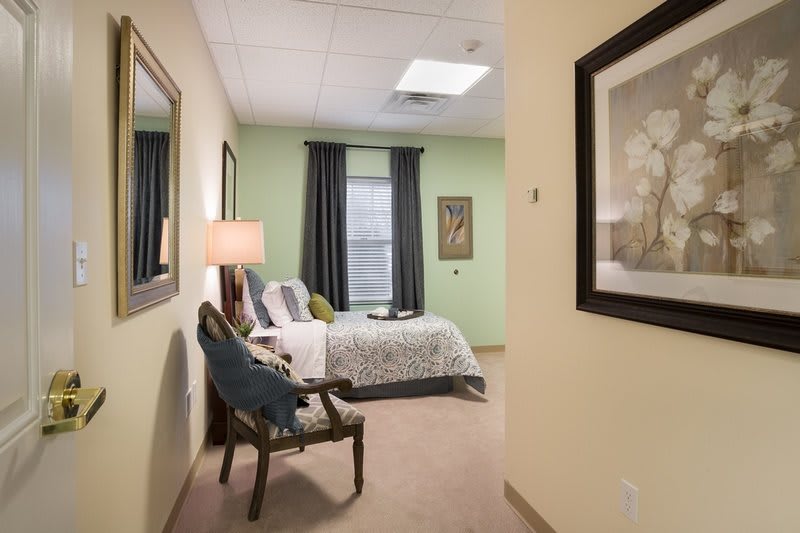
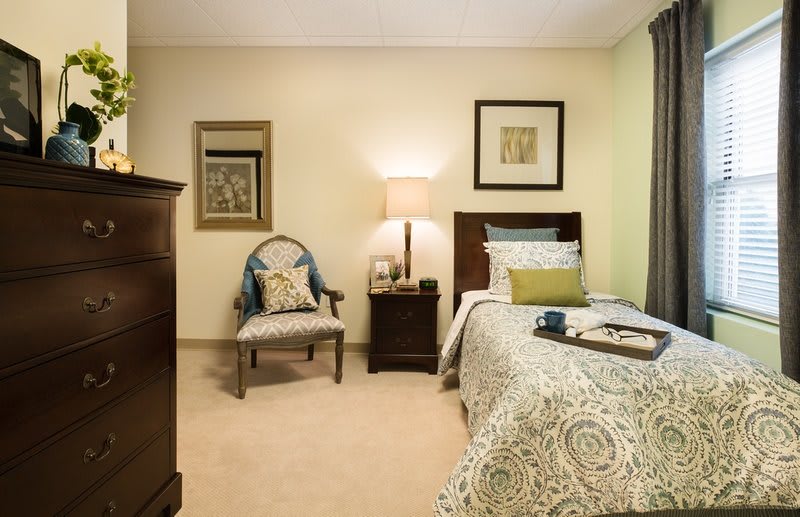
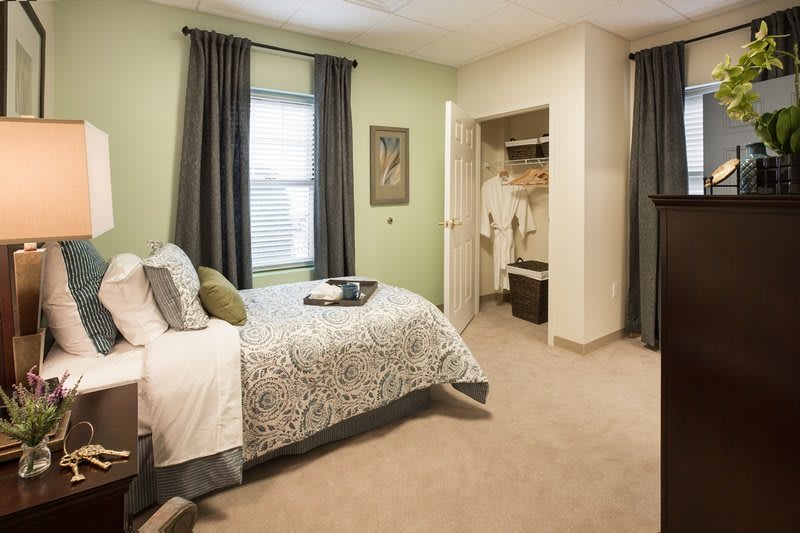
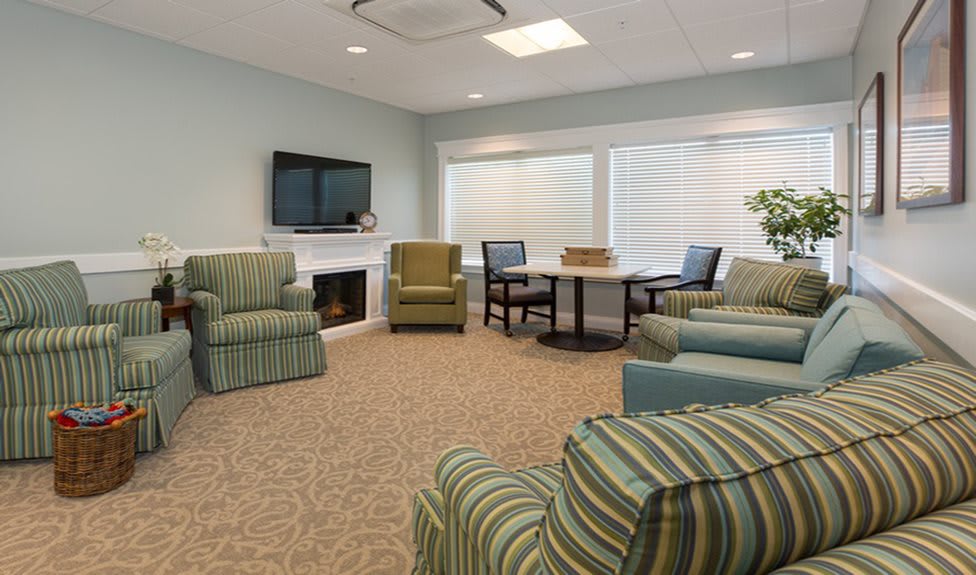
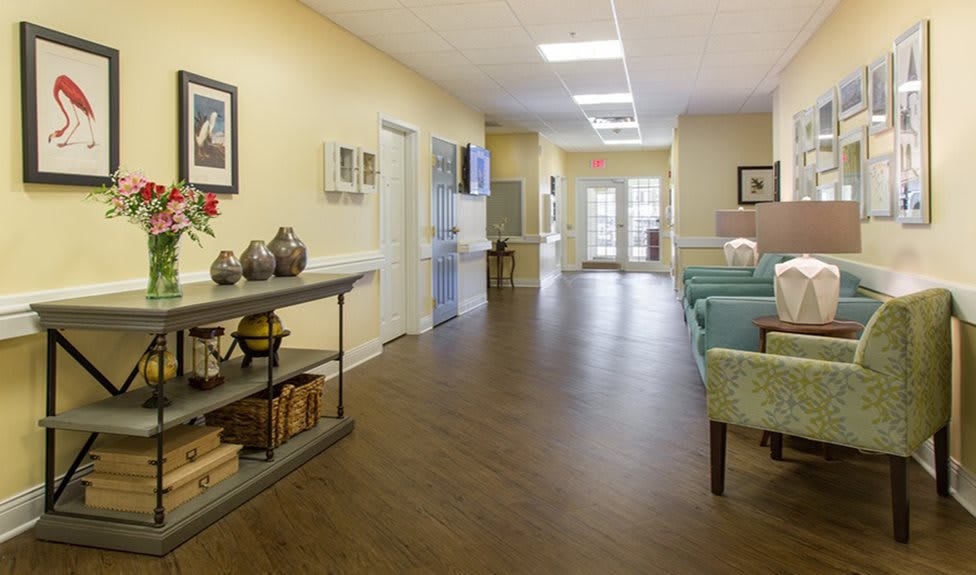
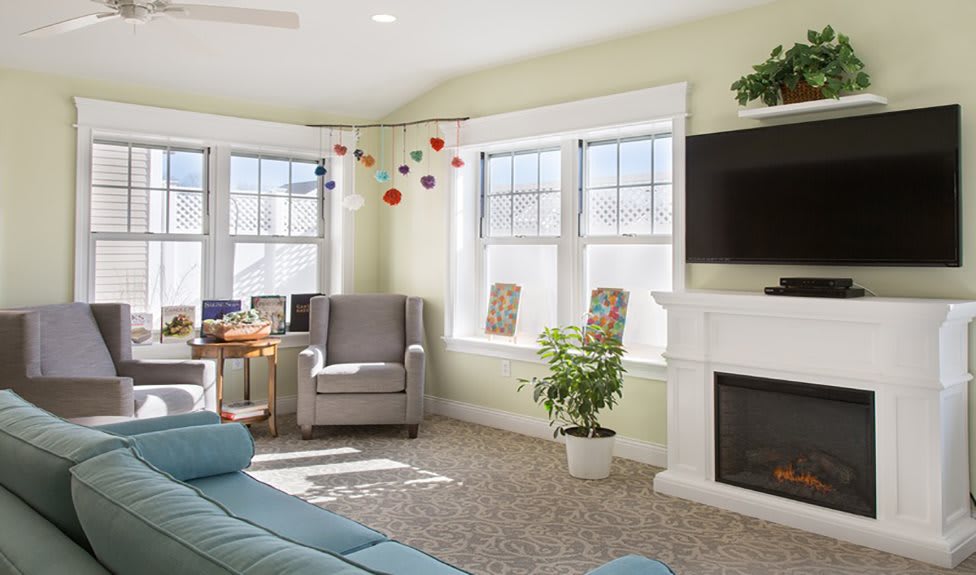
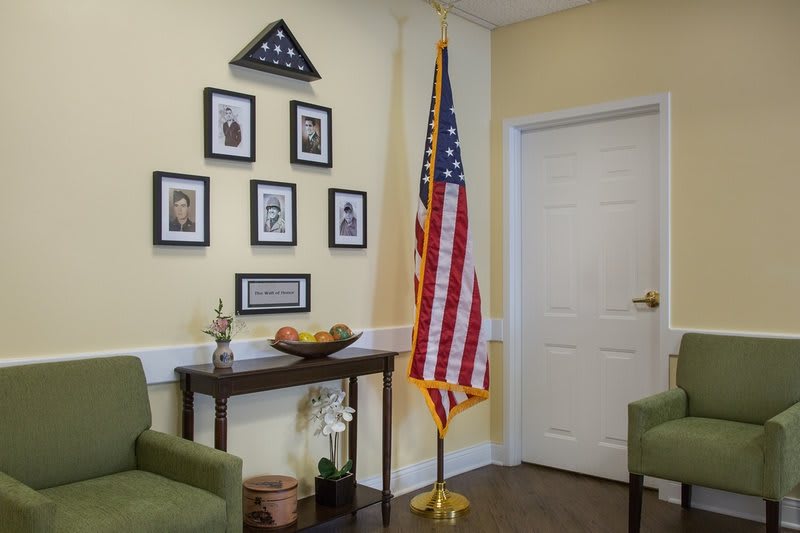
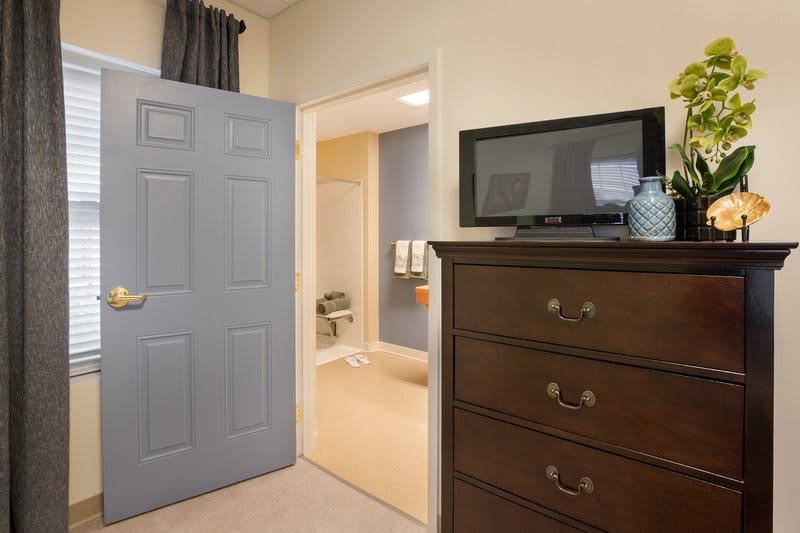
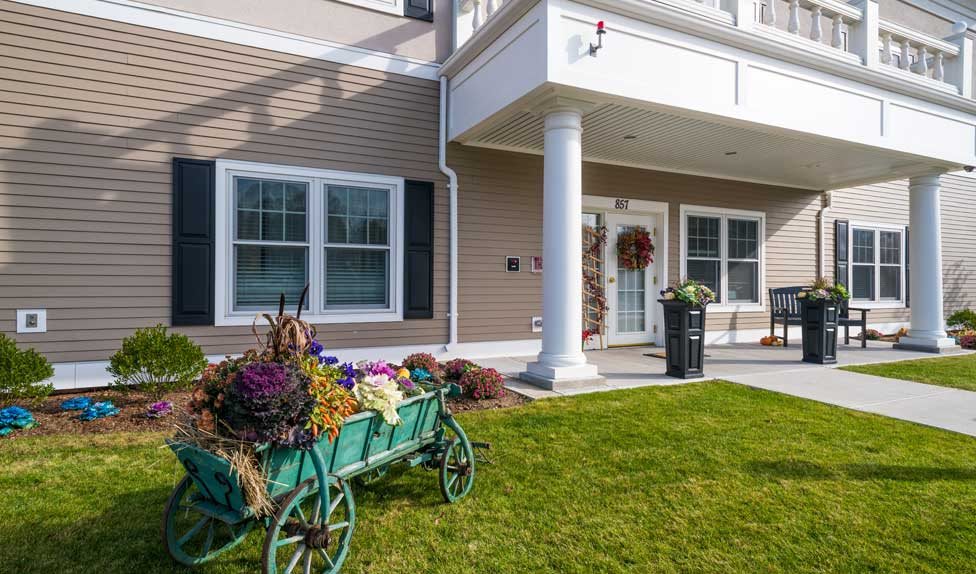
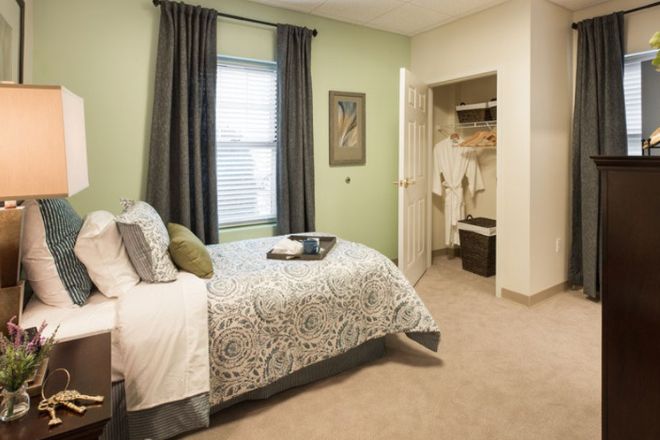
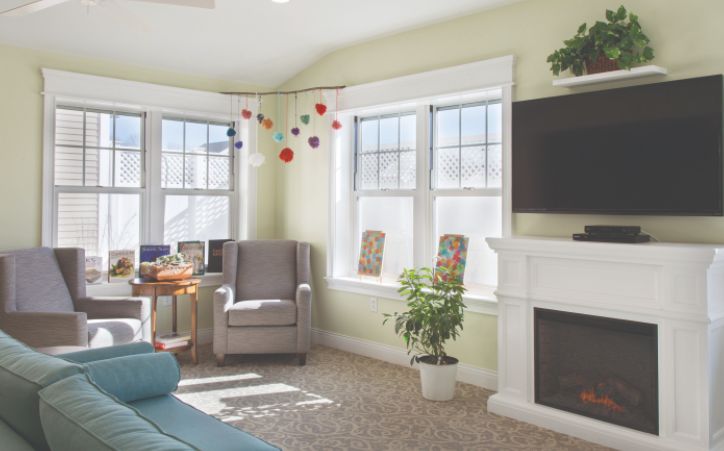
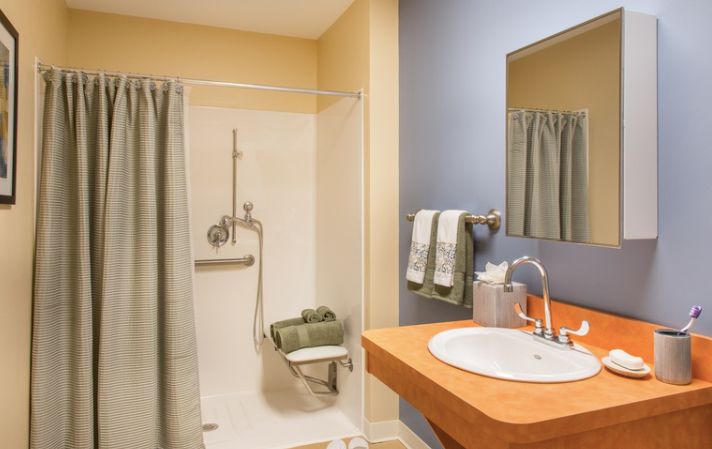
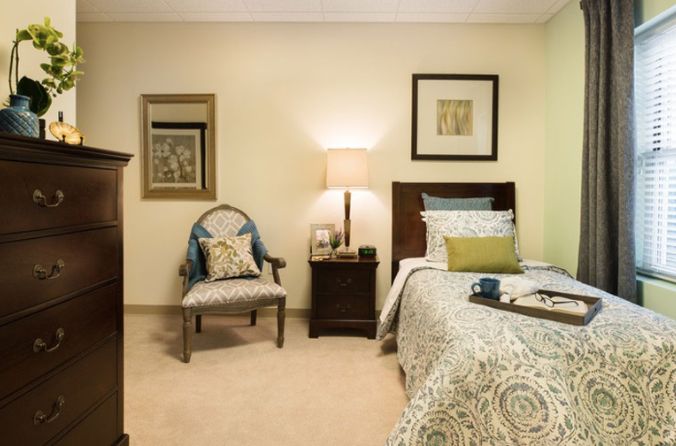
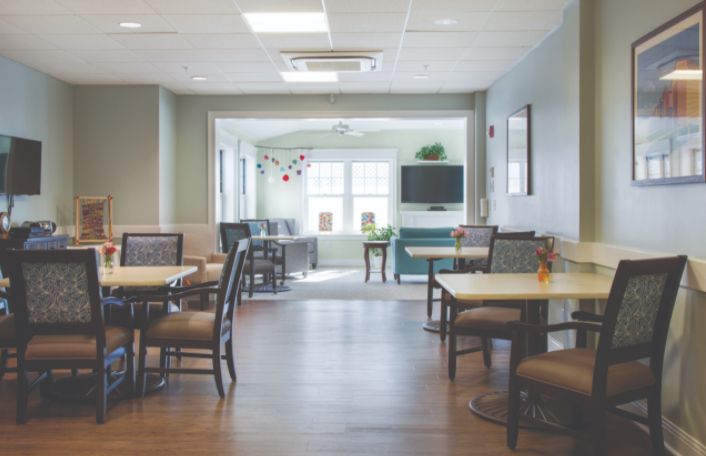
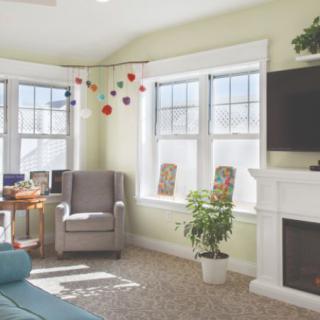
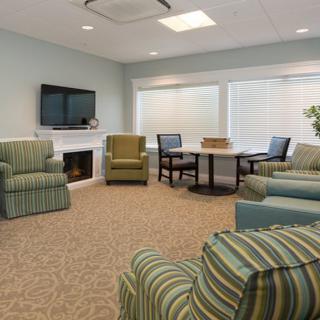
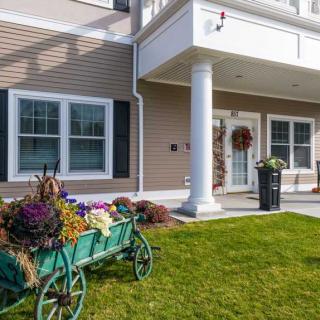
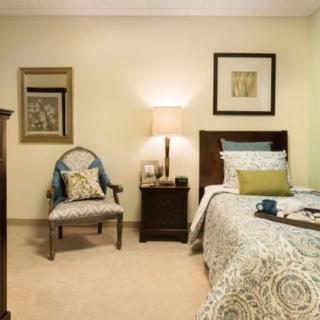
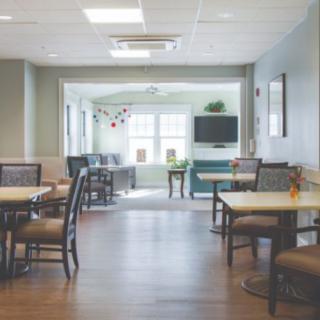
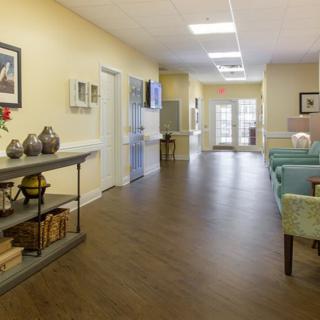
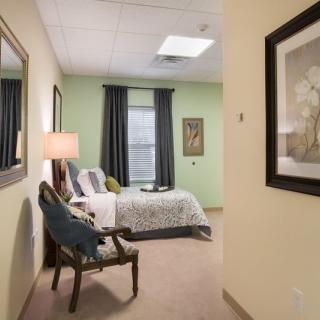
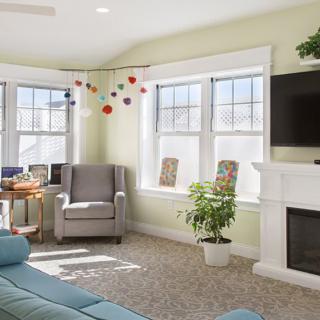
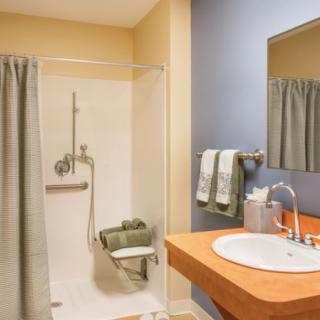
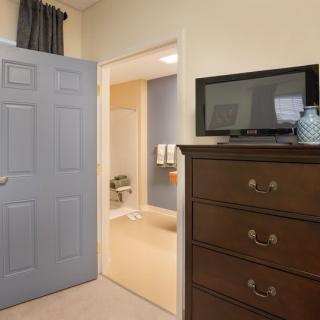
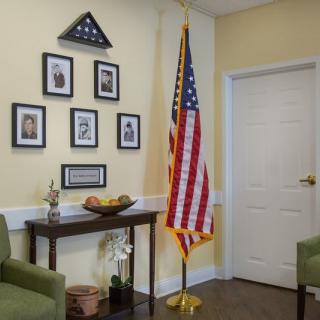
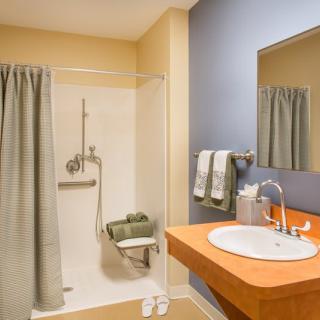
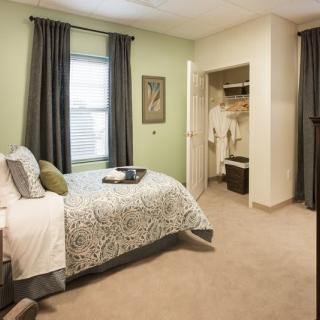
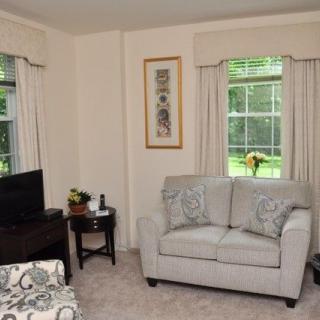
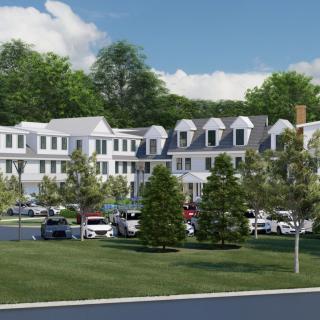
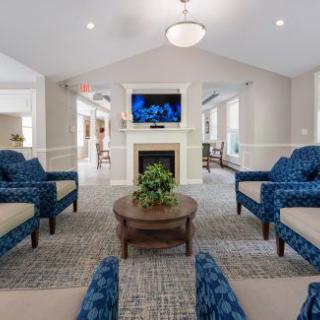
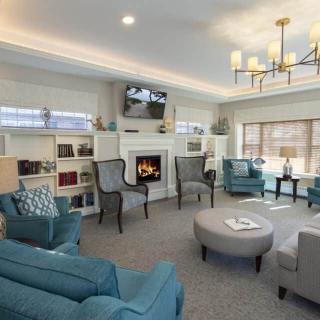
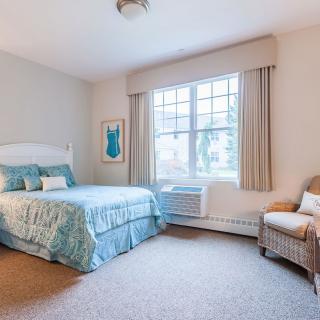
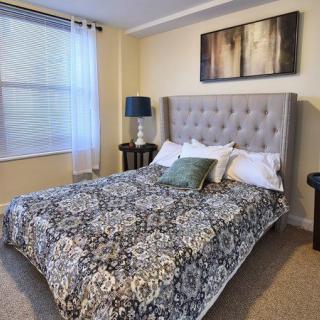
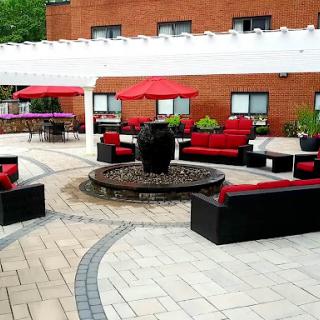
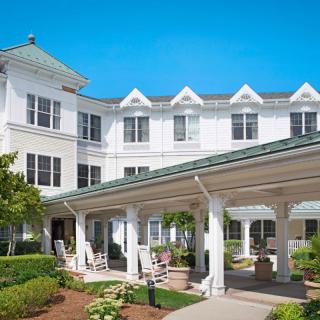
Windrose at Woburn on seniors.fyi includes 16 photos including images showing interior, bedroom, decor, bathroom, windows, television, living room, fireplace, and more.
Nearby Communities
Tidd Home Inc
Woburn, MA
$2,700 / month
Affordable private accommodations with nearby amenities.
Alerion
Woburn, MA
Small, intimate community with 24-hour supervision, medication management, and a wide range of amenities.
The article examines the link between certain medications and increased dementia risk, particularly in older adults, emphasizing that long-term or high-dose use of anticholinergics, benzodiazepines, and other drug classes can exacerbate cognitive impairment. It calls for careful medication evaluation and shared decision-making to mitigate these risks while managing treatment efficacy.
The article emphasizes the significance of establishing a power of attorney for elderly parents to enable an agent to make decisions on their behalf regarding health and finances, especially during cognitive or physical decline. It outlines various types of power of attorney, the importance of consulting legal professionals, and the responsibilities and challenges faced by agents, while also discussing alternatives and common misconceptions.
Caregiver support groups are crucial for providing emotional and practical assistance to those caring for loved ones, offering resources, coping strategies, and a sense of community through various organizations and platforms. These groups help alleviate isolation and burnout while addressing the unique challenges faced by caregivers of individuals with specific conditions.
Get PricingAsk A QuestionSchedule A TourContact Senior Advisor
By clicking submit, you agree to our Partner's Terms of Use. You
also consent to receive calls and texts, which may be autodialed, from our Partner. Your consent is not a condition to
using our Partner's service. Please visit our Partner's Privacy Policy for information about their privacy practices.


 35 resident community capacity
 Studio apartments
 Assisted Living
 Memory Care
 Activities on-site
 Air-conditioning
 Beautician on-site
 Cable or satellite TV
 Devotional services on-site
 Dining room
 Fully furnished
 Garden
 Ground floor units
 Handicap accessible
 Housekeeping services
 Indoor common areas
 Kitchenette
 Move-in coordination
 Outdoor common areas
 Private bathrooms
 Respite or short term stays offered
 Restaurant-style dining
 Small library
 Telephone
 Wheelchair accessible showers
 Wi-Fi/high-speed internet available
 Gen Edw L Logan International (12 miles away)
 24-hour call system
 Assistance with bathing
 Assistance with dressing
 Assistance with transfers
 Diabetes diet
 High acuity care
 Incontinence care
 Medication management
 Mental wellness program
 Special dietary restrictions
 Art classes
 Catholic services
 Cooking classes
 Day trips and outings
 Educational speakers / life long learning
 Happy hour
 Jewish services
 Karaoke
 Live dance or theater performances
 Live musical performances
 Affordable private accommodations with nearby amenities.

 Medications Associated with Dementia Risk: A Comprehensive Overview
 Guiding Your Journey: Understanding Power of Attorney for Elderly Parents
 22 Remarkable Caregiver Support Groups Available Online and In-Person