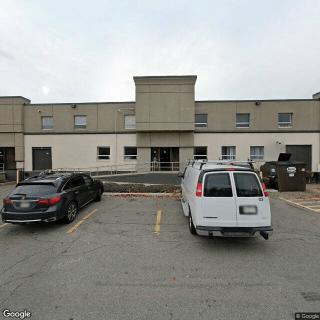
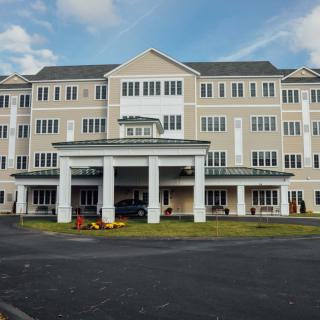
Woburn Nursing Center is a nursing home community in Woburn, MA.
Information last verified:
18 Frances Street, Woburn, MA 01801
For more information about senior living options: (866) 208-4318
3 from 51 reviews
5 stars
21
4 stars
4
3 stars
3
2 stars
1
1 stars
22
Overall Review of Woburn Nursing Center
caveat8 reviews mention this
Understaffing concerns drive complaints
Several families report understaffing and neglected care.
A recurring concern is that care did not feel consistent or responsive when it was needed. Multiple reviewers describe long waits or difficulty getting staff attention, including situations where call bells were not answered promptly or checks were not regular. Some also describe incidents they attribute to staffing problems, such as severe dehydration, oxygen being missed for hours, and delays communicating declines. A few reviews mention there are both good people and “bad apples,” but the negative experiences still stand out.
caveat6 reviews mention this
Food quality and special diets
Food quality and dietary handling draw mixed feedback.
Dining comes up often, with reviewers describing both problems and satisfaction. Several families report food that was inedible, served cold, or otherwise disappointing, and one reviewer directly ties food to high blood sugar for a diabetic resident. Others are more positive, including a short-term rehab review that says the resident loved the food and the food service was excellent. Taken together, the reviews suggest that meal experience may vary by situation and dietary needs.
common5 reviews mention this
Therapy and activities can be strong
Rehabilitation therapy and activities are frequently noticed.
Residents and families describe physical therapy support and the community helping with recovery. Multiple reviews mention therapy quality directly, including comments about PT being excellent and staff doing their best after surgery. Activities also show up as a positive for some families, including residents getting involved in special events and being able to attend scheduled activities. Even some reviews that are critical still acknowledge parts of the team working to help residents recover.
common9 reviews mention this
Staff compassion shows through
Many reviews highlight compassionate, attentive staff members.
Despite very negative reports from other families, many reviewers describe staff as caring, compassionate, and attentive. Several mention kindness and dignity in daily interactions, and a few single out specific staff members as being present when help was needed. Some reviews also praise nursing staff and therapists for professionalism during visits and rehab. The overall tone suggests the experience can depend heavily on the individuals and shift.
caveat3 reviews mention this
Medication communication issues appear
Some families describe medication and treatment communication problems.
A smaller but clear theme is trouble coordinating treatment details after care changes. One reviewer describes confusion about who was managing Coumadin when a resident was discharged, while another reports a slow process adjusting antidepressant medication and issues tracking daily compounded doses. A diabetic-related review also links care gaps to blood sugar outcomes, which raises concerns about medication- and diet-related management. These accounts point to moments where communication and follow-through did not go smoothly.
How we summarize
Counts show how many written reviews mention each theme; a review can touch several themes, and only frequently mentioned themes are displayed.
Senior move management provides specialized support for older adults relocating by assisting with logistics, emotional challenges, and downsizing decisions to ensure a smooth transition to new living environments. These services address the unique needs of seniors and have become increasingly important as baby boomers retire and seek to downsize.
Weight training is vital for seniors to maintain muscle mass, bone density, and overall health, combating age-related declines through customized resistance exercises that enhance balance and well-being. Safe routines should start with realistic goals and proper form, while emphasizing gradual progress and consultations with healthcare providers to ensure safety and effectiveness.
The Sandwich Generation comprises adults managing the dual responsibilities of caring for aging parents and raising children, leading to significant emotional, logistical, and financial challenges. This situation is exacerbated by longer life expectancies and cultural expectations, necessitating effective coping strategies and support resources to alleviate caregiver stress and burnout.
Get PricingAsk A QuestionSchedule A TourContact Senior Advisor
By clicking submit, you agree to our Partner's Terms of Use. You
also consent to receive calls and texts, which may be autodialed, from our Partner. Your consent is not a condition to
using our Partner's service. Please visit our Partner's Privacy Policy for information about their privacy practices.

 140 resident community capacity
 Skilled Nursing Facility
 Air-conditioning
 Beauty salon
 Cable or satellite TV
 Computer center
 Dining room
 Fitness room
 Fully furnished
 Gaming room
 Garden
 Housekeeping services
 Kitchenette
 Move-in coordination
 Outdoor space
 Private bathrooms
 Restaurant-style dining
 Small library
 Telephone
 Wellness center
 Wi-Fi/high-speed internet available
 Gen Edw L Logan International (11 miles away)
 Community operated transportation
 12-16 hour nursing
 24-hour call system
 Activities of daily living assistance
 Assistance with bathing
 Assistance with dressing
 Assistance with transfers
 Diabetes diet
 Medication management
 Mental wellness program
 Special dietary restrictions
 Concierge services
 Planned day trips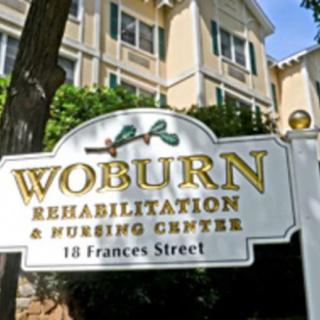
 Extensive nearby amenities (parks, pharmacies, dining, transportation, places of worship, theater) for convenience and social engagement.





 Senior Move Management: Understanding the Role, Value, and Associated Costs
 Weight Training for Seniors: Building Strength and Vitality
 Understanding the Sandwich Generation: Stress and Responsibilities for Multigenerational Caregivers