
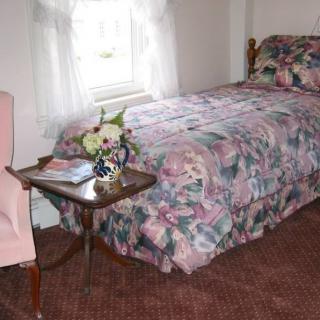
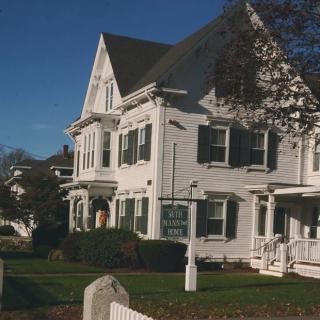
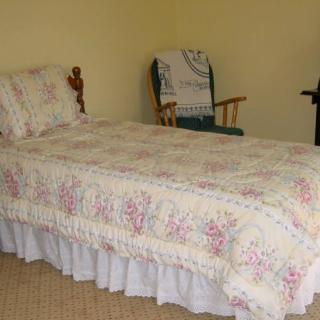
349 N Main, Randolph, MA 02368
To contact a resident: (781) 963-9116
For more information about senior living options: (866) 208-4318
Seth Mann 2 Costs & Pricing
Seth Mann 2 offers competitive pricing for its accommodations compared to the broader market in Norfolk County and Massachusetts. For semi-private rooms, residents pay $3,800 per month, which is significantly lower than the county average of $6,142 and the state average of $5,805. The cost of private rooms at Seth Mann 2 is also appealing at $4,500, particularly when juxtaposed against the county's average of $5,047 and a state average reaching up to $6,090. This pricing structure not only underscores the value of residing at Seth Mann 2 but also highlights its commitment to providing accessible care without compromising on quality.
| Floor plans | Seth Mann 2 | Norfolk County | Massachusetts |
|---|---|---|---|
| Semi-Private | $3,800 | $6,142 | $5,805 |
| Private | $4,500 | $5,047 | $6,090 |
Senior living communities with a similar price nearby
-
from +$700 / mo

Benchmark at Hanover
$4,500 to $7,500 / month10.9 miles away -
from +$535 / mo
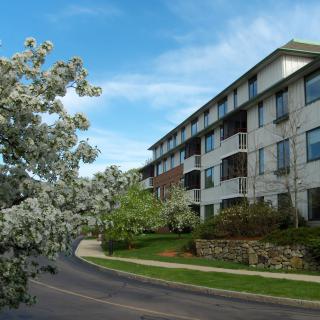
Orchard Cove Hebrew SeniorLife, a CCRC
$4,335 to $8,400 / month3.1 miles away -
from -$650 / mo

The Branches of North Attleboro
$3,150 / month19.0 miles away -
from +$400 / mo

Orchard Hill Assisted Living at Sudbury
$4,200 to $5,100 / month24.2 miles away -
from +$300 / mo
All American Assisted Living at Wrentham
$4,100 to $4,950 / month16.1 miles away
Overall Review of Seth Mann 2
Pros
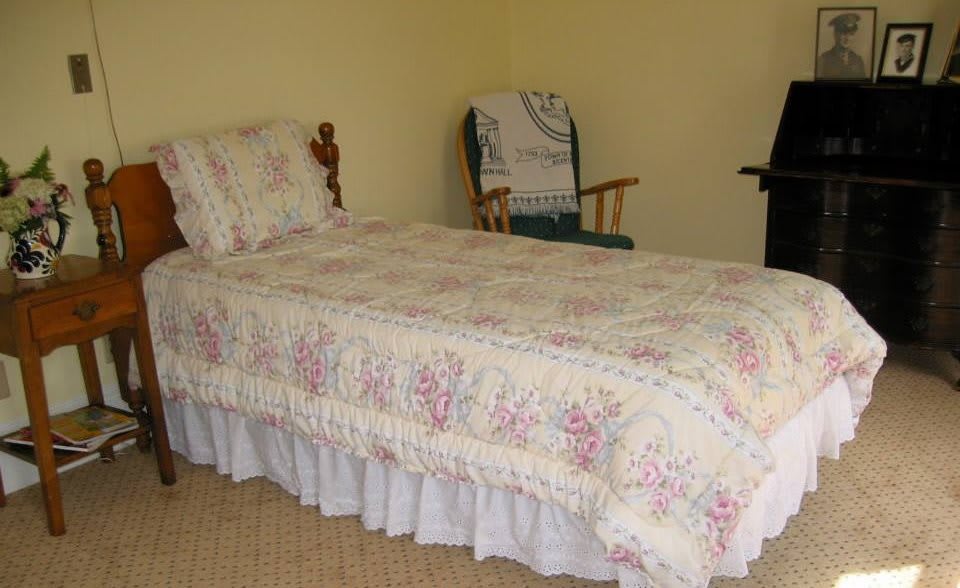
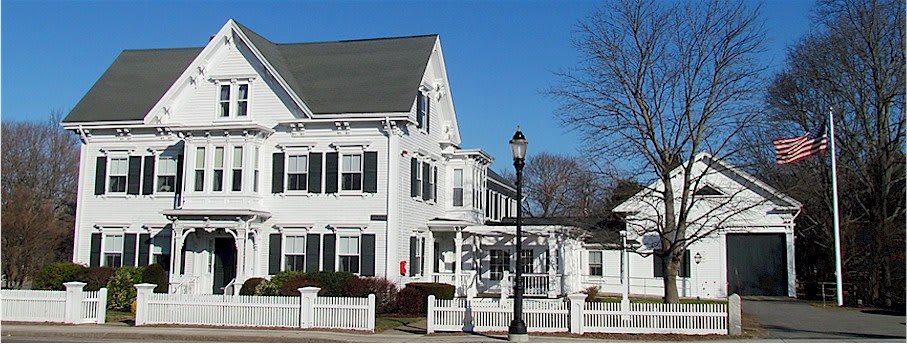
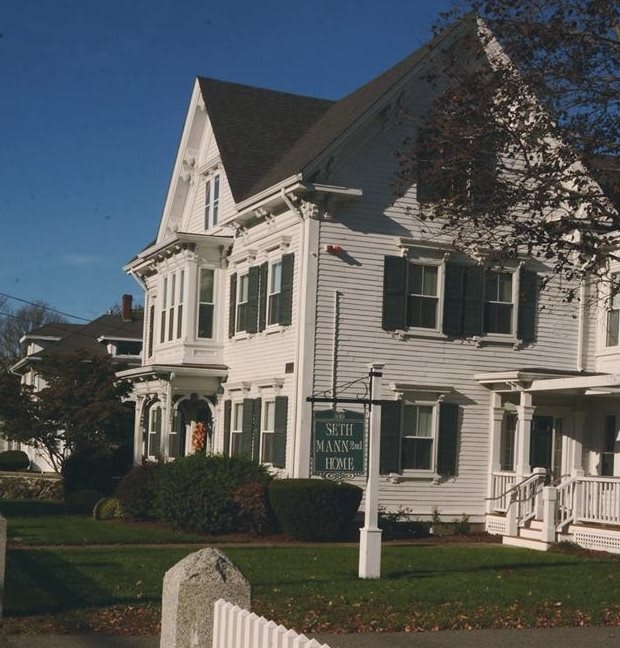
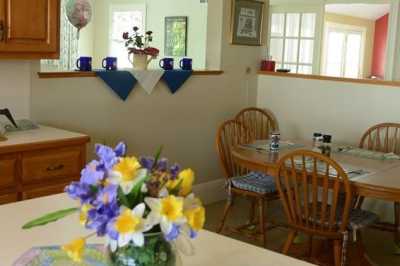
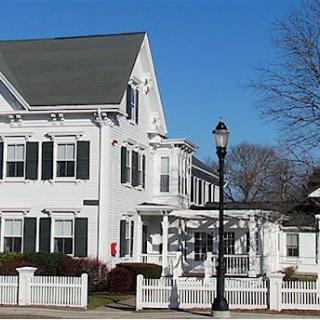
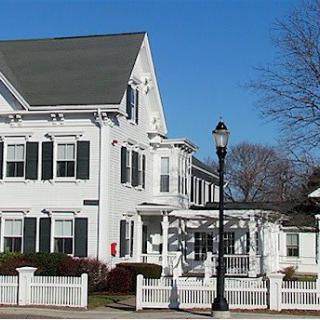
 The colonial-era prop is described as nostalgic, offering a great opportunity to engage with early American architectural estates and a strong historical flashback.
- The group home for older women is described as absolutely wonderful, clean, with staff who feel like family, providing an ideal respite-long term home.
- The staff are described as like family, underscoring a warm, welcoming atmosphere.
Review
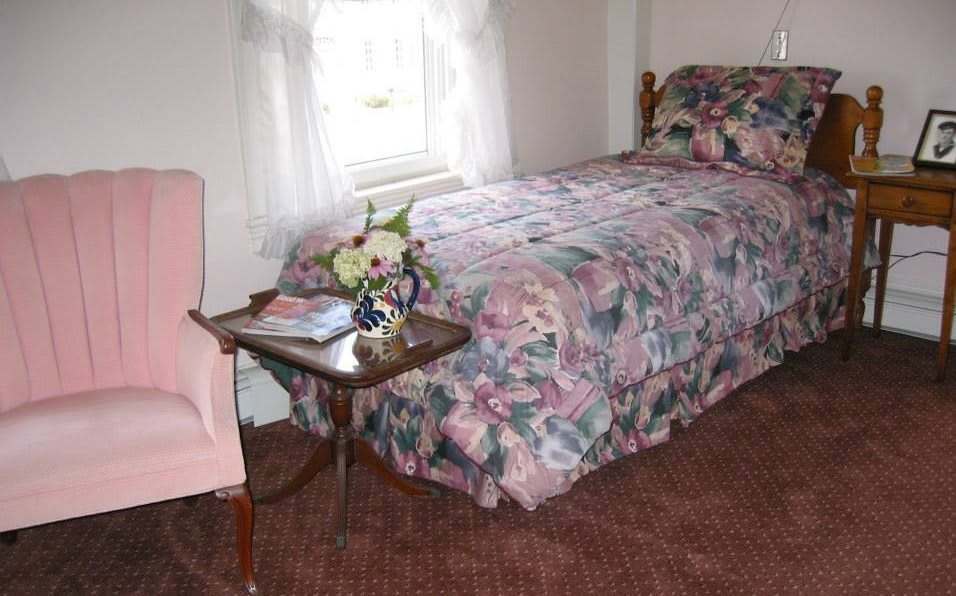
This community is best suited for older women who want a warm, home-like setting with a small, intimate footprint and staff who treat residents like family. Seth Mann 2 in Randolph, MA operates as a group home that prioritizes personal attention, routine, and a sense of belonging over a large, campus-style care model. The environment and staffing approach are ideal for residents who value comfort, familiar faces, and dependable daily rhythms more than expansive programming or high-level clinical oversight.
Those who may want to consider alternatives are clear: if memory care, advanced medical supervision, or round-the-clock clinical staffing are essential, this facility may not meet those needs. Families seeking a co-ed setting, expansive social calendars, or highly structured activities will likely find more compatibility elsewhere. The small-scale, women-only model also means fewer public spaces and a quieter, more contained atmosphere, which is not the right fit for residents craving a bustling community life or vigorous outcomes-oriented programming.
The strongest positives here begin with cleanliness and a staff ethos that feels like family. Residents report a genuine sense of warmth and reliability, with caregivers who foster a steady, homelike routine. The respite option is particularly appealing for caregivers seeking a short-term, stress-free transition for a loved one, while the long-term potential emphasizes continuity of care in a familiar environment. Practical amenities, such as the presence of a second bathroom upstairs, help ease everyday living and reflect careful attention to resident comfort within the compact layout.
On the downside, the small scale can translate into limited common areas, fewer on-site amenities, and a leaner menu of services compared with larger facilities. Prospective residents should anticipate a quieter setting with less emphasis on formal programming and fewer opportunities for a broad social calendar. For seniors who require robust mobility support, extensive rehabilitation services, or highly specialized care plans (beyond what a group home can provide), this model may feel restrictive. In short, the upside of intimacy comes with a trade-off in breadth of care options.
Still, the pros do a meaningful job offsetting the cons for the right resident. The home-like atmosphere and consistently caring staff create trust, reduce anxiety, and promote a predictable daily routine that can be tremendously reassuring for aging individuals and their families. The ability to stay in a familiar, intimate environment during respite periods or long-term stays often translates into better emotional well-being and less hospital-like stress. When paired with the small, manageable setting, these strengths can outperform a larger, less personal arrangement for residents who prize connection, stability, and modest but dependable care.
Bottom line: Seth Mann 2 is a strong fit for families seeking a trusted, intimate, women-only setting where staff treat residents like family, and where respite care or long-term residence can be pursued without the distractions of a bigger campus. It’s not the pick for those needing extensive medical oversight, executive-level activity programming, or memory-care specialization. Prospective movers should weigh the value of home-like comfort and consistent staff against the desire for broader services and more diverse activities. A site visit should center on staffing routines, meals, daily activities, transportation options, and a clear understanding of what level of assistance is realistically available on a day-to-day basis, ensuring the choice aligns with the resident’s care needs and the family’s expectations.
 Board and Care Home
 Activities on-site
 Bath tubs
 Devotional services on-site
 Indoor common areas
 Outdoor common areas
 Private
 Respite or short term stays offered
 Wheelchair accessible showers
 Gen Edw L Logan International (13 miles away)
 Ambulatory care
 Diabetic care
 High acuity care
 Incontinence care
 Medication management
 Meals provided



 9 Stimulating Memory Activities for Seniors: Puzzles, Cards, and Much More
 Managing Nursing Home Expenses After Medicare Coverage Ends
 Is a Geriatric Care Manager the Right Choice for Your Family?