
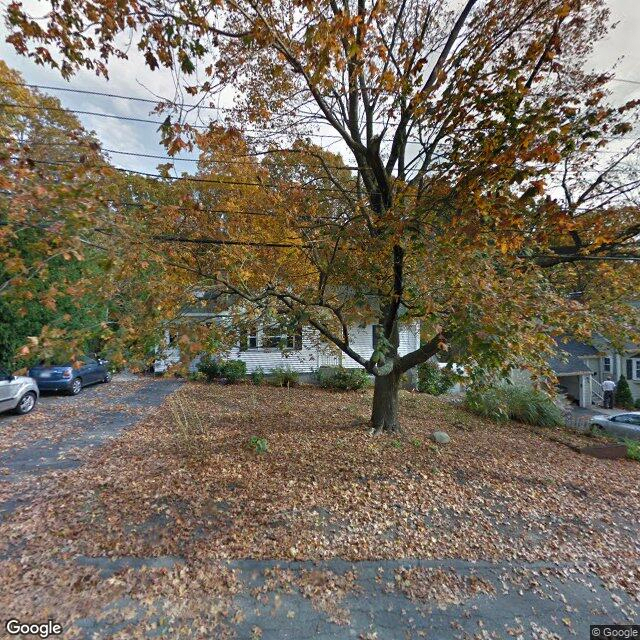
5 Fairland Street, Lexington, MA 02421
To contact a resident: (781) 652-8246
For more information about senior living options: (866) 208-4318
Overall Review of Homewatch Caregivers
Pros
 Tete and the entire team at Homewatch CareGivers of Malden provide compassionate, high-quality care for the elderly and those living with dementia.
- Families feel comfortable with the caregivers and form deep emotional bonds with them.
- Families feel reassured knowing their loved ones are in capable and caring hands.
- Families transitioning to assisted living often choose to retain a caregiver, reflecting trust and quality of care.
- The connection and trust built over time with Homewatch CareGivers are invaluable.
- The company treats clients and staff like family.
- Aletha is amazing, kind, and great with elderly clients, and families look forward to her visits.
- Tete and her team have exceeded expectations and provide outstanding care for years.
Review
This community is best suited for families seeking deeply personal, in-home eldercare with a proven emphasis on dementia support and relationship-based care. It excels when the goal is to keep a loved one at home, surrounded by familiar routines and trusted caregivers who become almost part of the family. The strongest asset is the continuity and emotional bond that caregivers cultivate; families repeatedly note that clients look forward to visits and form meaningful connections. When a caregiver can be a regular, familiar presence over months or years, it reduces anxiety for both the elder and the family, and it can simplify transitions that might otherwise feel disruptive.
However, potential clients should consider alternatives if a facility setting with built-in medical staff, around-the-clock supervision, and structured social programming is a priority. Home-based care cannot replicate the full spectrum of on-site resources available in assisted living or skilled nursing communities. Geographic realities matter, too: coordinating consistent 24/7 coverage from a remote location can be challenging, and families far from the care team may face gaps when schedules shift or a preferred caregiver is unavailable. For those needing a highly scheduled, medically supervised environment with on-site nurses and a broad calendar of activities, a traditional facility may be the better fit.
The standout pros translate directly into meaningful outcomes for families. The service consistently delivers compassionate, high-quality support that reduces caregiver burden and supports independent living at home for as long as possible. Caregivers are described as devoted and professional, with an ethos of treating clients like family. This leads to remarkable trust, families often choose to retain a caregiver even after a transition to assisted living, signaling the depth of the relationship and the reliability of the care team. In dementia care, the ability to maintain familiar routines and a steady caregiver presence can slow behavioral escalation and improve overall well-being, offsetting the inconvenience that accompanies home-based arrangements.
Still, the main drawbacks are practical and situational rather than intrinsic to the philosophy. Reliance on a relatively small team for intimate, 24/7 coverage can introduce continuity risks if a preferred caregiver becomes temporarily unavailable. While the service can and does provide extensive in-home care, families living far away may confront coordination complexities, especially when a higher level of supervision is needed or when rapid escalation of needs occurs. The home-care model does not automatically deliver the same medical oversight, incident reporting, or social programming that a full-service senior living community provides, so families must weigh the value of personal attention against institutional structure.
To decide with confidence, a family should map out the elderā€™s current and anticipated needs against what home-based care delivers. Confirm exact 24/7 coverage capabilities and the process for securing backup caregivers, particularly for overnight periods or weekends. Discuss how care plans adapt as conditions evolve, and whether a favorite caregiver can be scheduled consistently even if a transition to facility care is anticipated. Consider costs, potential for continuity during caregiver turnover, and the level of medical support that will be required in the near term. Importantly, recognize that the ability to preserve home-life independence while benefiting from a devoted caregiver team can be a decisive win for dementia and aging-in-place goals.
In the end, this Homewatch CareGivers location is a strong option for families who prize intimate, dependable home care and want to preserve autonomy and daily routines in a familiar environment. It shines most for those who seek meaningful personal connections, long-term caregiver continuity, and a respectful approach to dementia care. Alternatives become compelling when medical oversight, a highly structured daily environment, or on-site facility amenities are non-negotiable requirements. For families prioritizing trust, warmth, and the comfort of home without surrendering quality, this provider represents a thoughtful, capable choice.
 Gen Edw L Logan International (14 miles away)





 Navigating the Tax Landscape of Caregiving: Credits, Deductions, and Beyond
 Highly Beneficial Low-Impact Exercises for Senior Living Residents
 Is In-Home Healthcare Tax Deductible? Your Comprehensive Guide