
Carriage Lane, Duxbury, MA 02332
For more information about senior living options: (866) 208-4318
Overall Review of Duxbury Estates
Pros
 The Duxbury House feels like home, providing a comforting, family-oriented environment for residents and their families.
- The staff are compassionate, well-trained, welcoming, and know each resident by name, treating them with patience, respect, and dignity.
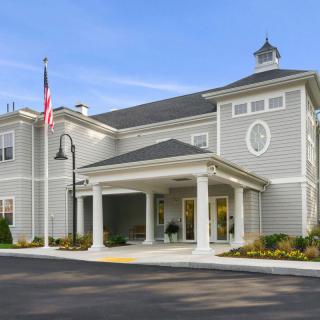
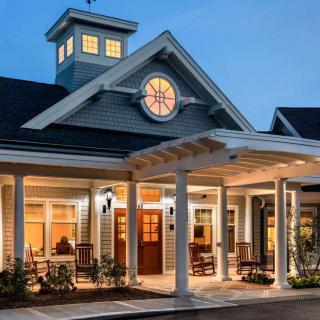
- The facility is clean, secure, and thoughtfully designed to feel like a home.
- Daily activities and social programs keep residents engaged, active, and socially connected with staff and volunteers.
- The care is consistently first-rate, with staff across roles delivering gentle, attentive, and compassionate support.
- The food is restaurant-quality, beautifully prepared and presented.
- Families feel relieved and grateful knowing their loved ones are cared for 24/7 by wonderful people in a warm, welcoming atmosphere.
Cons
 Moving a loved one into memory care is described as a difficult decision and an emotional process.
- There was initial nervousness that she would feel out of place moving from a small house in Pembroke to Duxbury.
Review
Duxbury House, within Duxbury Estates, is best suited for families seeking a dementia-focused memory care environment where residents live in a warm, home-like setting and are known by name by a consistently caring team. This community is designed for someone who thrives on daily structure, meaningful social interaction, and activities that feel less institutional and more individualized. The atmosphere is intimate enough to foster real relationships, yet large enough to support a steady flow of visitors, programs, and shared experiences. It’s an ideal fit for loved ones who need steady supervision, compassionate supervision, and a place that treats memory care as a daily, person-centered routine rather than a generic care plan.
Those weighing alternatives should consider options if the priority is broader medical oversight, independent living with occasional supports, or a more expansive campus with a wider continuum of care. Families evaluating a residence for someone who may require intensive clinical intervention, rapid access to diverse medical services, or transitions across multiple levels of care should compare facilities that offer a fuller medical footprint or larger on-site teams. Additionally, households seeking a larger, perhaps more bustling community, or one with a broader menu of independent and assisted living options under one umbrella, may find other communities more aligned with long-term planning and cost considerations.
The strongest pros here center on staff quality and the overall living experience. The team’s compassion, attentiveness, and personalized approach are repeatedly cited as standout strengths, ensuring residents feel valued and respected day after day. The home-like design, careful cleanliness, and secure environment all contribute to a sense of safety and dignity that families say makes a difficult transition feel manageable. An emphasis on meaningful engagement, ranging from in-house activities to outings and social events, creates ongoing opportunities for residents to socialize, form routines, and maintain a sense of purpose. These factors collectively offset the natural desire for independence by delivering reliable companionship and consistent care.
Food, atmosphere, and family involvement further amplify the positive dynamic. The restaurant-quality meals and thoughtful presentation, alongside well-curated activity schedules, reinforce a perception of normalcy and enjoyment in daily life. Families repeatedly note how welcoming the community is toward loved ones’ families, which reduces stress during visits and helps sustain a collaborative care approach. The ability to customize daily experiences, whether venturing to the beach, enjoying a movie, or sharing a quiet moment in common areas, adds a layer of choice that many memory care settings struggle to provide. In short, the environment supports both residents’ emotional well-being and families’ peace of mind.
The primary tradeoff is this is a memory-care-focused setting, which means those seeking independent living, minimal supervision, or a broader medical infrastructure may need to look elsewhere. The intimate scale is a strength for one-on-one attention but can limit the breadth of on-site services that a larger campus might offer. There is no indication of a sprawling medical department or a wide-ranging continuum of care in the reviews, so families with high-acuity needs or evolving care plans should verify the level of clinical staffing and hospital partnerships before committing. Still, for families prioritizing warmth, dignity, and consistent dementia-specific programming, these gaps are manageable and offset by the outstanding caregiver culture.
For decision-making, prospective families should visit with a clear checklist in hand: observe staff interactions with residents, inquire about how dementia programming adapts to different stages, assess the food and dining experience, and ask about access to additional services (therapy, respite options, family conferences). If the goal is a memory-care home where residents genuinely feel at home and families feel supported, Duxbury House presents a compelling, practical choice. If, however, a broader continuum of care, independence-oriented living, or deeper on-site medical resources are non-negotiable, it is wise to broaden the search and compare experiences against several alternatives to find the best long-term fit.
 6 resident community capacity
 Active Adult Communities (55+)
 Housekeeping services
 Telephone
 Wi-Fi/high-speed internet available
 Assistance with dressing
 Meal preparation and service
 Medication management
 Diabetes diet
 Special dietary restrictions






 A Closer Look at Private Pay Home Care
 Comprehensive Approaches for Arthritis: A Detailed Guide to Symptoms, Causes, and Care
 Comprehensive Insights and Practical Strategies to Help Older Adults Avoid Falls