
3830 Baker Road, Westminster, MD 21157
For more information about senior living options: (866) 208-4318
Overall Review of The Woods Of Sun Valley
Pros
 The Woods of Sun Valley seemed pretty nice.
- The staff were pretty good with her.
- She ate really well there.
- It seemed clean, and there was no urine smell.
Cons
 The staff did not notice when she had left the facility.
- They did not provide many activities for residents.
Review
The Woods of Sun Valley in Westminster is best suited for families seeking a clean, orderly, low-stimulus environment with reliable daily meals and dependable basic care. This community tends to deliver a calm, uncomplicated living setting where routine and cleanliness are prioritized, and where staff can respond adequately to ordinary needs. It is a reasonable fit for a loved one who does not require advanced memory-care programming or highly active engagement, and for families who want a straightforward, budget-conscious option that costs less than high-touch memory-care communities.
Those who should consider alternatives are families with residents who wander or require heightened supervision, or anyone seeking a robust activity calendar and specialized dementia care. The review highlights a significant safety concern, a resident wandering off without being noticed promptly, which underscores that monitoring and response systems may not meet the expectations of families who need vigilant, proactive protection. Additionally, the perception of limited activities suggests the community may fall short for residents who crave a richer social and cognitive stimulation routine. For families prioritizing advanced memory-care staffing, secure wandering protocols, and a comprehensive, engaging program, exploring other options is prudent.
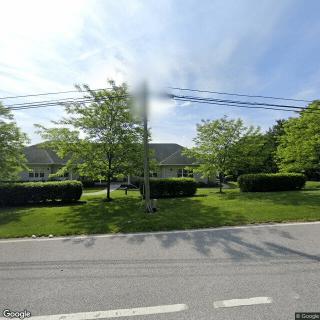
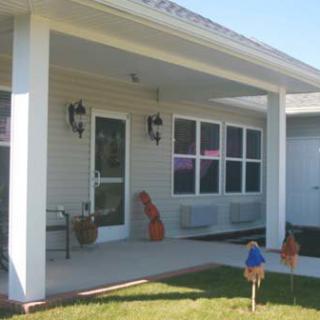
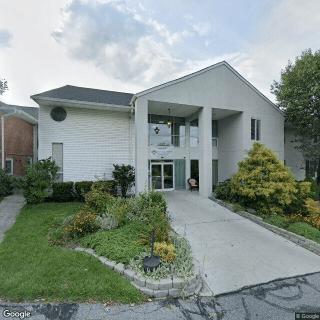
On the plus side, the stay described presents several meaningful strengths. The facility appears clean and well-maintained, with no off-putting odors noted, which supports comfort for residents and peace of mind for families. Staff interactions, at least in the reviewed instance, were competent and attentive to the resident’s needs, contributing to a sense of reliable day-to-day care. The resident’s appetite was reportedly strong, indicating that the dining experience may be pleasant and nutritionally adequate. Taken together, these factors translate into practical stability: a predictable, tidy environment where basics are covered and looked after, reducing daily stress for families during the transition.
However, the downsides are significant enough to shift a family’s decision toward caution. The wandering incident reveals a potential gap in safety protocols and supervision that cannot be ignored, especially for seniors who may have cognitive impairment or elopement risk. The relocation into a dementia unit after the incident also raises questions about appropriate placement and whether resident needs are being matched correctly from the outset. Coupled with a perceived lack of sufficient activities, these drawbacks can undermine overall quality of life for residents who deserve meaningful engagement and secure, proactive protections. In short, the core advantages do not fully offset the critical risks and programming gaps.
To make a well-informed choice, families should press for specifics: exact wandering prevention measures, staff coverage during peak hours, and how quickly staff respond when a resident is out of sight. Gather concrete details about the daily activity schedule, the range of programming, and how residents are encouraged to participate. Clarify whether a dedicated memory-care wing or trained dementia staff are available, and what the process would be if a resident with memory loss requires a move to a higher level of care. If possible, request a trial period or a current family reference to gauge consistency of care and responsiveness over time. These steps transform a general impression into a reliable forecast of daily life for a loved one.
Ultimately, The Woods of Sun Valley can serve as a solid option for families prioritizing cleanliness, predictable routines, and dependable meals, with staff who manage routine care well. Yet the decisive factor hinges on safety governance and activity intensity. For residents with wandering risk or a strong desire for an active social calendar, alternatives that offer enhanced supervision, dedicated memory-care programming, and richer engagement should be pursued. For others, the community presents a practical, affordable environment where basic care is steady and meals meet expectations, provided that safety and activity concerns are satisfactorily addressed before any long-term placement.
 15 resident community capacity
 Assisted Living
 Board and Care Home
 Cable or satellite TV
 Dining room
 Fully furnished
 Garden
 Housekeeping services
 Move-in coordination
 Outdoor space
 Telephone
 Wi-Fi/high-speed internet available
 24-hour supervision
 Activities of daily living assistance
 Assistance with bathing
 Assistance with dressing
 Assistance with transfers
 Diabetes diet
 Meal preparation and service
 Medication management
 Special dietary restrictions
 Transportation arrangement (medical)
 Transportation to doctors appointments




 Understanding Medicaid Coverage for Assisted Living: A Comprehensive Guide
 How and When Medicaid May Cover Assisted Living Costs
 A Detailed Exploration of Assisted Living Medicaid Waivers Across the United States