
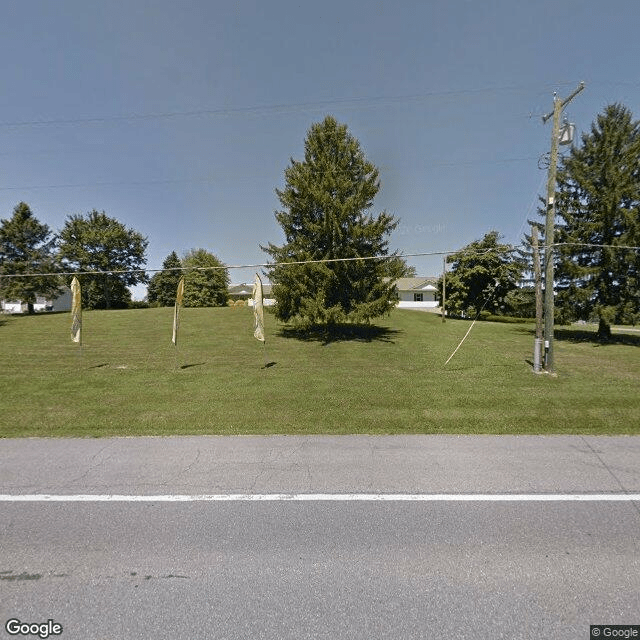
3816 Ridge Road, Westminster, MD 21157
For more information about senior living options: (866) 208-4318
Overall Review of Ridge Overlook
Pros
 Ridge Overlook provides a safe, caring environment for residents.
- The staff are professional, friendly, and extremely helpful.
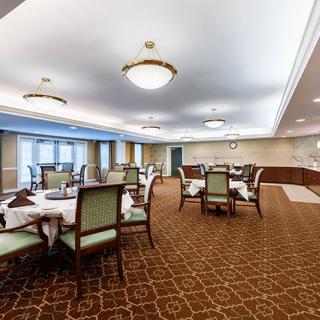
- Meals are prepared on-site daily and enjoyed by residents.
- The activities keep residents engaged and active.
- The staff work with hospice to provide comfort and support for families.
- The care at Ridge Overlook Memory Care is excellent.
- The rooms are comfortable and clean, and the smaller facility feels well suited for residents in the later stages of dementia.
- Fresh meals daily and inviting outdoor spaces support visiting and comfort.
Cons
 The sister and the reviewer did not really care for Ridge Overlook.
- There were two people sharing a bedroom, which was viewed negatively.
- They felt the facility needed more activities and should avoid double occupancy.
Review
Ridge Overlook Memory Care in Westminster is best suited for families seeking an intimate, dementia-focused community where residents benefit from steady routines, on-site meals, and hands-on staff attention. The setting feels home-like rather than institutional, translating into calmer days for residents in the early to mid-stages of memory loss and for those who eventually require hospice-style comfort with professional support. The strongest fit is for families who value personalized interaction, predictable scheduling, and easy, ongoing communication with caregivers. In short, this is a practical choice for households prioritizing a smaller footprint, consistent staffing, and a straightforward care plan tailored to memory care.
Alternatives are worth considering for those with different priorities. Privacy and expansive programming matter enough to seek other options. A few residents or families want single-occupancy rooms rather than shared spaces, and Ridge Overlook has at least one instance noted where two people shared a room. If a broader, more bustling campus with a wider slate of activities, more social opportunities, and greater diversity of programming feels essential, a larger memory-care community may be a better match. Likewise, if medical needs extend beyond dementia care or if the plan calls for less hospice involvement, exploring facilities with broader clinical capabilities could be prudent.
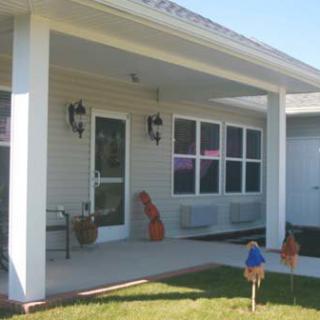
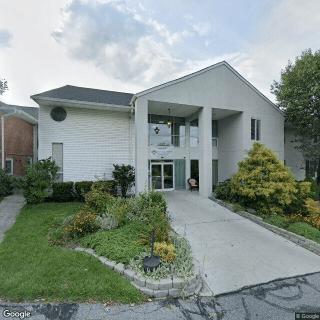
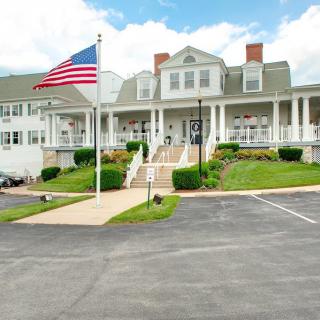
The community’s core strengths are clear and substantive. The environment reads as safe and caring, with daily on-site meals and activities designed to keep residents engaged. Staff are repeatedly described as professional, friendly, and extremely helpful, capable of easing transitions for new arrivals and coordinating with hospice when decline occurs. The smaller size matters in practical terms: fewer administrative layers, more consistent staff coverage, and a setting where caregivers build meaningful relationships with residents and families. Real-world touchpoints, a back patio, a front porch for visiting, and routine meals, contribute to a sense of familiarity that reduces confusion and supports comfort during the later stages of dementia.
Yet the experience is not uniformly flawless, and that matters for decision-making. The most salient caveat centers on room configuration: a two-in-a-room setup can feel claustrophobic for some residents and families who prize privacy. A single negative note also points to concerns about how well activities meet ongoing demand for engagement, suggesting that programming breadth may not consistently meet every family's expectations. While other reviews emphasize staff warmth and acclimation ease, these tensions around space and activity require careful consideration. The reality is a solid care environment tempered by specific limitations that may tilt the decision one way or another depending on individual priorities.
Practical due diligence can illuminate fit. During tours, isolate details about room configurations, and confirm what options exist for private rooms versus shared spaces. Request a current activity calendar and a sample week to gauge consistency, variety, and suitability for the resident’s interests and abilities. Inquire about staff-to-resident ratios and dementia-specific training, as well as the facility’s protocols for hospice involvement and end-of-life comfort care. Observe interactions between staff and residents across different times of day, and seek recent family references to understand outcomes beyond the broad praise. Visiting at varying times can reveal the true rhythm of daily life and the degree of stimulation provided.
Ridge Overlook offers a credible, practical option for memory care in Westminster, especially for families prioritizing a small, homey setting, attentive staff, and coordinated care with hospice. For households where private rooms and a robust, active programming schedule are non-negotiable, exploring alternatives with single-occupancy options and larger programming might be warranted. When a loved one benefits from consistent routines and intimate caregiver relationships, Ridge Overlook stands out as a disciplined, experienced choice that can deliver comfort, clarity, and reliable daily structure through the progression of dementia.
 16 resident community capacity
 Assisted Living
 Board and Care Home
 Respite Care
 Activities on-site
 Cable or satellite TV
 Devotional services off-site
 Dining room
 Fully furnished
 Garden
 Housekeeping services
 Indoor common areas
 Move-in coordination
 Outdoor space
 Telephone
 Wi-Fi/high-speed internet available
 24-hour supervision
 Ambulatory care
 Assistance with bathing
 Assistance with dressing
 Assistance with transfers
 Diabetes diet
 Diabetic care
 Meal preparation and service
 Medication management
 Special dietary restrictions
 Transportation arrangement (medical)
 Transportation to doctors appointments


 Comprehensive Supportive Living Arrangements for Adults with Disabilities
 Funding and Affording Assisted Living: A Thorough Overview
 Assisted Living Expenses and Long-Term Care Insurance: A Comprehensive Exploration