For more information about senior living options: (866) 208-4318
4.1 from 87 reviews
5 stars
49
4 stars
21
3 stars
6
2 stars
2
1 stars
9
Carroll Lutheran Village a CCRC Costs & Pricing
Carroll Lutheran Village, a Continuing Care Retirement Community (CCRC), offers competitive pricing in comparison to both Carroll County and the broader state of Maryland. For residents seeking a studio apartment, the monthly cost at Carroll Lutheran Village is $1,606, significantly lower than the county average of $4,551 and the state average of $4,656. One-bedroom units are similarly priced at $1,861, which again stands in stark contrast to the county's average rent of $3,361 and the state's average of $3,904. Even for two-bedroom accommodations, where the cost is $3,447 at Carroll Lutheran Village, it remains competitively priced relative to Carroll County's average of $2,919 and Maryland's overall average of $3,497. This structure highlights Carroll Lutheran Village as an attractive option for those considering a transition into a CCRC while looking for economical living arrangements within the region.
Floor plans
Carroll Lutheran Village a CCRC
Carroll County
Maryland
Studio
$1,606
$4,551
$4,656
1 Bedroom
$1,861
$3,361
$3,904
2 Bedrooms
$3,447
$2,919
$3,497
Skilled Nursing Facilities with a similar price nearby
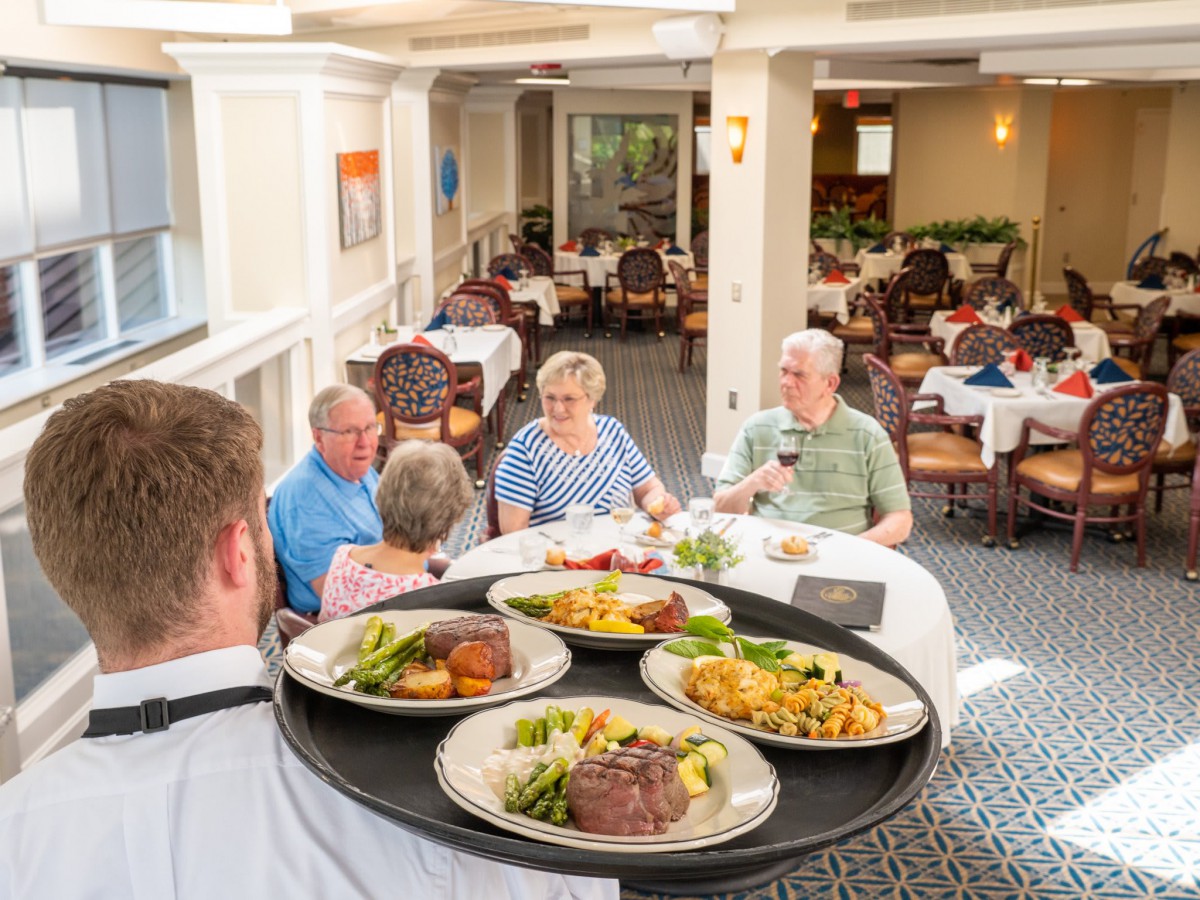
Dining is consistently praised, with multiple options and plenty of food.
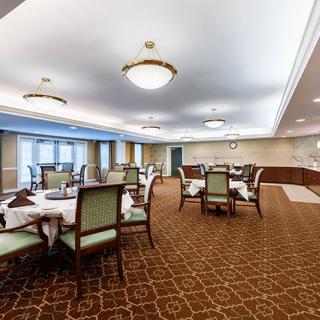
Residents and family members frequently describe the food as very good or excellent, with meals that feel plentiful. Several reviews also mention multiple dining options on campus, including places to eat together and the ability to eat in rooms when needed. Some also call out better-for-you choices as part of the dining experience. One family member even notes that early help for new residents around dining could be improved.
common19 reviews mention this
Staff responsiveness and care matter
Residents describe caring, helpful staff alongside occasional communication concerns.
Across many reviews, residents and family members describe staff as friendly, professional, and caring, including nursing staff and caregivers who call residents by name. Several reviews also mention teamwork and support during rehab, transitions, and daily needs. A few other reviews raise concerns about management style and how quickly information is returned, especially during rehabilitation. There are also complaints about how needs are handled in assisted living versus nursing settings.
common11 reviews mention this
Activities keep life busy
Scheduled activities and entertainment help residents stay engaged.
Residents frequently mention activities that go beyond the routine, including musical entertainment, live performances, and community events. Multiple reviews highlight wellness-focused programming and options to stay active, such as fitness areas and pools. Some also describe social opportunities that let residents participate in committees or groups that shape day-to-day life. Family members note that there are plenty of activities available, even during periods when dining routines changed.
differentiator8 reviews mention this
Rehab and skilled care are mixed
Rehab and skilled care support can be strong, but a few stays raise issues.
Several reviews describe positive rehab experiences, including staff and therapy teams working well during stays and residents receiving compassionate nursing care. Others report problems tied to rehab progress, communication, and organization, including delays and missing items. There are also complaints about transfers within care levels when mobility assistance is needed. Taken together, reviews suggest the quality of rehab experiences can vary by situation and caregiver coordination.
caveat3 reviews mention this
Cost and management complaints recur
Some reviewers feel pricing and management decisions don’t match the care.
A handful of reviews explicitly call out high costs and dissatisfaction with management and how questions are handled. One family member also questions value after paying monthly for care that they felt was subpar. Another review describes a sense that contracts and services don’t fully hold up over time. These concerns appear alongside more positive reports, so it’s best to read them as specific experiences rather than a universal pattern.
How we summarize
Counts show how many written reviews mention each theme; a review can touch several themes, and only frequently mentioned themes are displayed.
Features
Housing
22 resident community capacity
Types of Care
Assisted Living
Continuing Care Retirement Community (CCRC)
Independent Living
Respite Care
Skilled Nursing Facility
Pets
Cats allowed
Dogs allowed
Amenities
Activities off-site
Activities on-site
Air-conditioning
Bath tubs
Beautician on-site
Beauty salon
Cable or satellite TV
Devotional services on-site
Full kitchen
Fully furnished
Garden
Ground floor units
Housekeeping services
Indoor common areas
Kitchenette
Move-in coordination
Outdoor common areas
Outdoor space
Private bathrooms
Respite or short term stays offered
Swimming pool / hot tub
Wi-Fi/high-speed internet available
Transportation
Community operated transportation
Transportation arrangement
Transportation arrangement (non-medical)
Care Services
24-hour call system
24-hour supervision
Activities of daily living assistance
Ambulatory care
Assistance with bathing
Assistance with dressing
Assistance with transfers
Diabetes diet
Diabetic care
High acuity care
Incontinence care
Meal preparation and service
Medication management
Special dietary restrictions
Dining
Diabetes diet
Gluten-free
Guest meals
International cuisine
Low / no sodium
Meals provided
No Sugar
Professional chef
Restaurant style dining
Special dietary restrictions
Special dining programs
Activities
Art classes
Catholic services
Community-sponsored activities
Cooking classes
Day trips and outings
Devotional activities on-site
Educational speakers / life long learning
Fitness programs
Happy hour
Live dance or theater performances
Live musical performances
Live well programs
Protestant services
Resident-run activities
Scheduled daily activities
Wine tasting
Nearby Places of Interest
This part of Westminster, Maryland offers a variety of amenities and services that may be appealing to seniors looking for a convenient and comfortable place to live. It is home to a range of restaurants, pharmacies, cafes, hospitals, parks, physicians, places of worship, and transportation options. With dining options such as Baugher's Country Restaurant and Illiano's J&P Restaurant nearby, seniors can enjoy a variety of cuisine choices. There are also several pharmacies within close proximity for easy access to medications and healthcare needs. The presence of hospitals like Carroll Hospital Center ensures quality medical care in the area. Additionally, parks like Landon C Burns Park provide opportunities for outdoor recreation and relaxation. Places of worship are also nearby for spiritual well-being. Transportation options such as Carroll County Regional Airport/Jack B Poage Field offer convenience for travel needs. Overall, this part of Westminster provides a well-rounded community with amenities suited for senior living.
Restaurants
Baugher's Country Restaurant (2.2 miles)
Burger King (2.2 miles)
IHOP (2.4 miles)
Illiano's J&P Restaurant (2.4 miles)
Johanssons Dining House (2.6 miles)
Artisan Wine Company (2.7 miles)
Paradiso Ristorante (2.7 miles)
Pharmacies
Walgreens (2.3 miles)
Epic Pharmacies (2.9 miles)
Anchor Pharmacy (3 miles)
Advance Pharmacy (3.1 miles)
Walmart Pharmacy (3.4 miles)
Giant Pharmacy (3.4 miles)
Walgreens (3.5 miles)
Cafes
American Ice Co Cafe (2.6 miles)
Panera Bread (3.3 miles)
Hospitals
Carroll County Food Sunday (2.7 miles)
X- Ray Room (2.9 miles)
Carroll Hospital Center (2.9 miles)
Lifebridge Health (2.9 miles)
Westminster Nursing and Convalescent Center (3.1 miles)
Carroll Hospital Knit Building (3.6 miles)
Carroll Hospital Center-Med Labs (9.8 miles)
Parks
Landon C Burns Park (2.8 miles)
Mayeski Park (8.2 miles)
Taneytown Memorial Park (10 miles)
Physicians
Charles Fisher Building (2.9 miles)
Family & Children's Services of Central Maryland (2.9 miles)
Center for Total Eye Care (2.9 miles)
Allergy Asthma Clinical Center (2.9 miles)
Carroll Internal Medicine Associates (2.9 miles)
Westminster Internal Medicine (3 miles)
Carroll Otheropedic Specialist (3 miles)
Places of Worship
St Johns Catholic Church (3 miles)
WW Studio (3 miles)
Crossroads Community Church (4.2 miles)
Trinity Lutheran Church (5.5 miles)
Uniontown Bible Church (5.6 miles)
Greater Baltimore Temple (9.4 miles)
Hampstead Baptist Church (10.8 miles)
Transportation
Carroll County Regional Airport/Jack B Poage Field (3.5 miles)
Carroll Lutheran Village, a Continuing Care Retirement Community (CCRC), offers competitive pricing in comparison to both Carroll County and the broader state of Maryland. For residents seeking a studio apartment, the monthly cost at Carroll Lutheran Village is $1,606, significantly lower than the county average of $4,551 and the state average of $4,656. One-bedroom units are similarly priced at $1,861, which again stands in stark contrast to the county's average rent of $3,361 and the state's average of $3,904. Even for two-bedroom accommodations, where the cost is $3,447 at Carroll Lutheran Village, it remains competitively priced relative to Carroll County's average of $2,919 and Maryland's overall average of $3,497. This structure highlights Carroll Lutheran Village as an attractive option for those considering a transition into a CCRC while looking for economical living arrangements within the region.
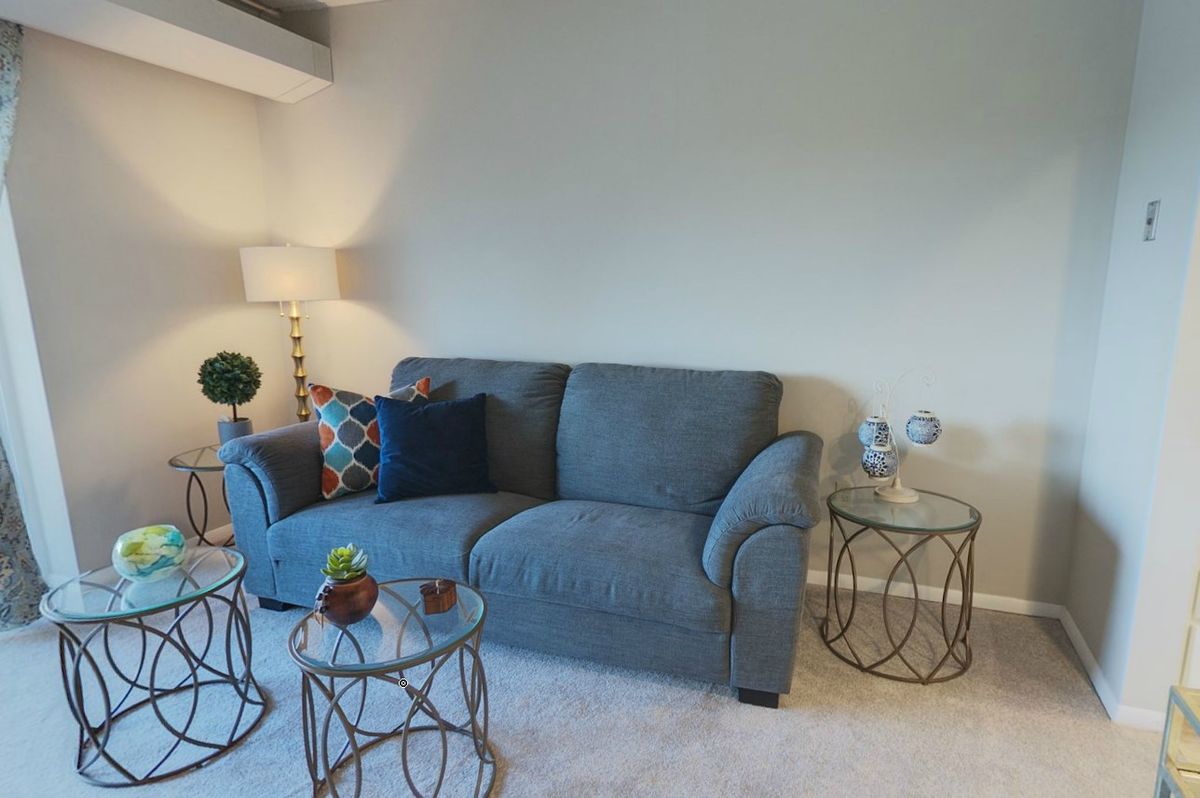
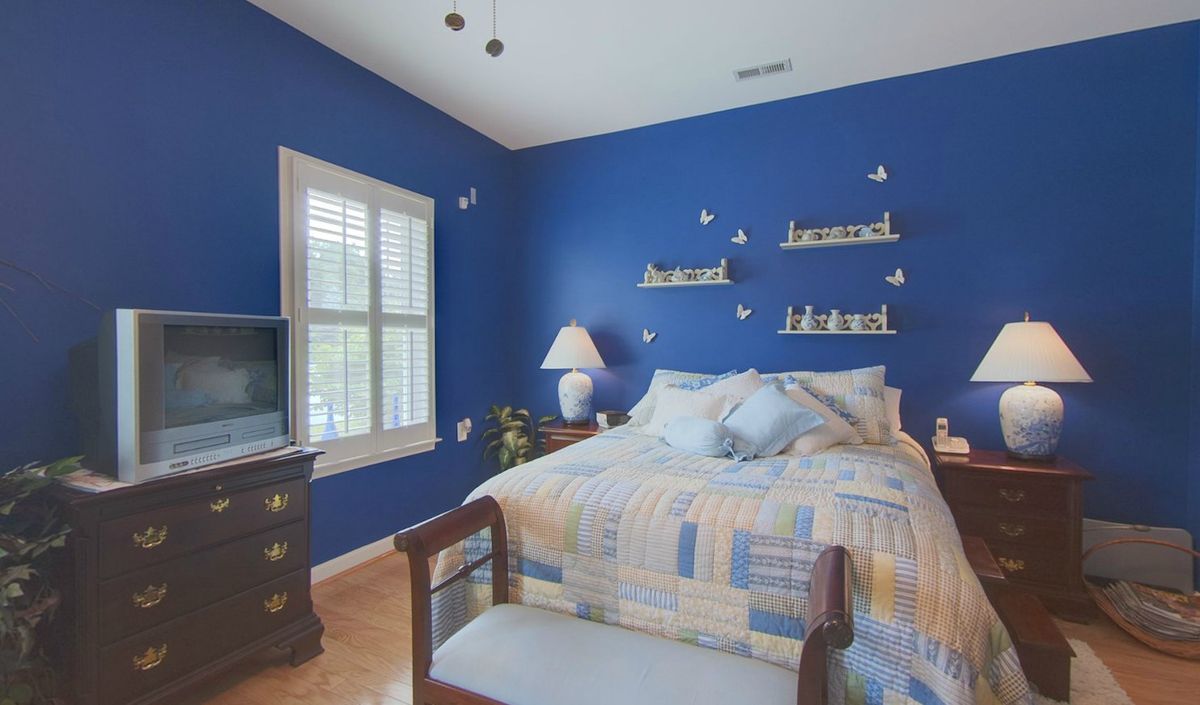
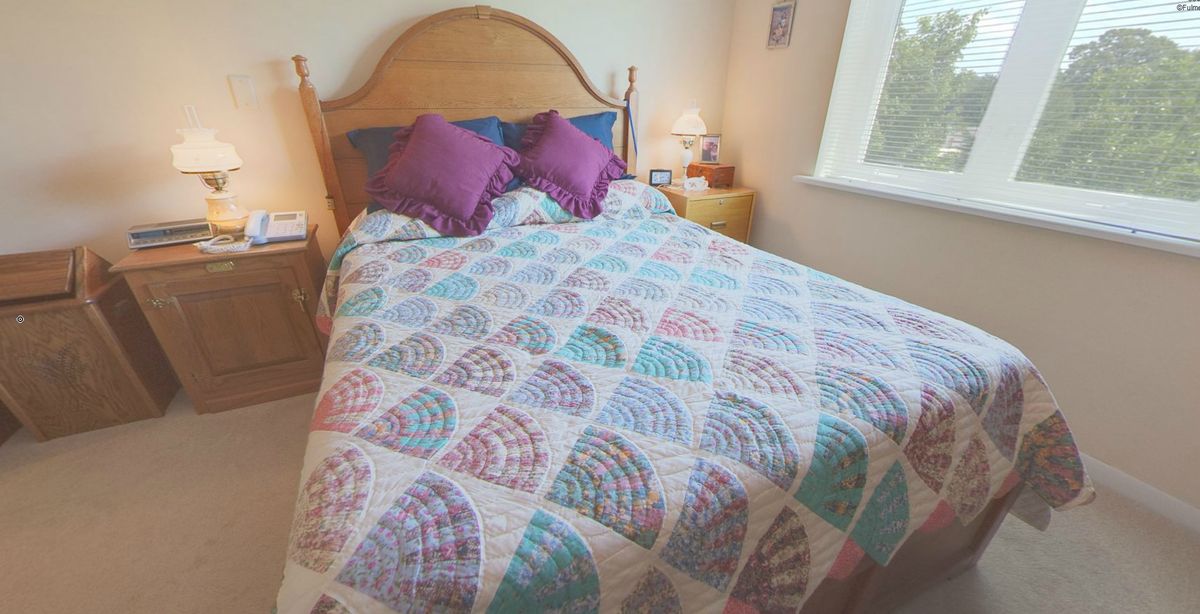
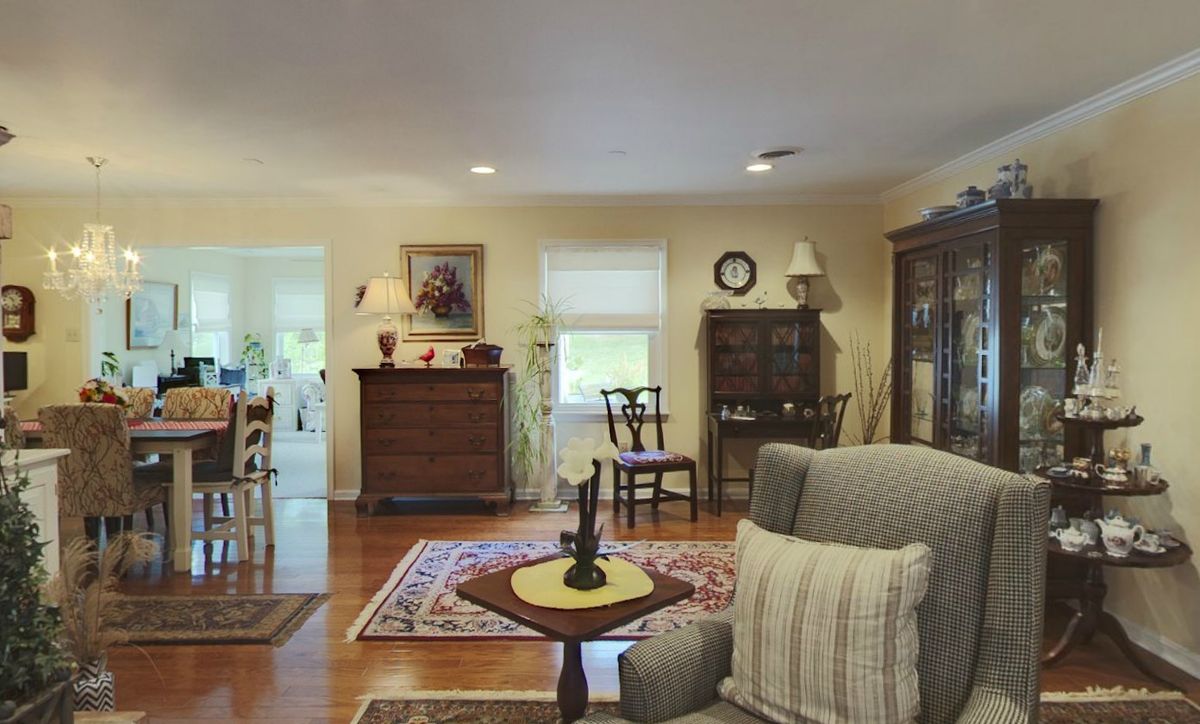
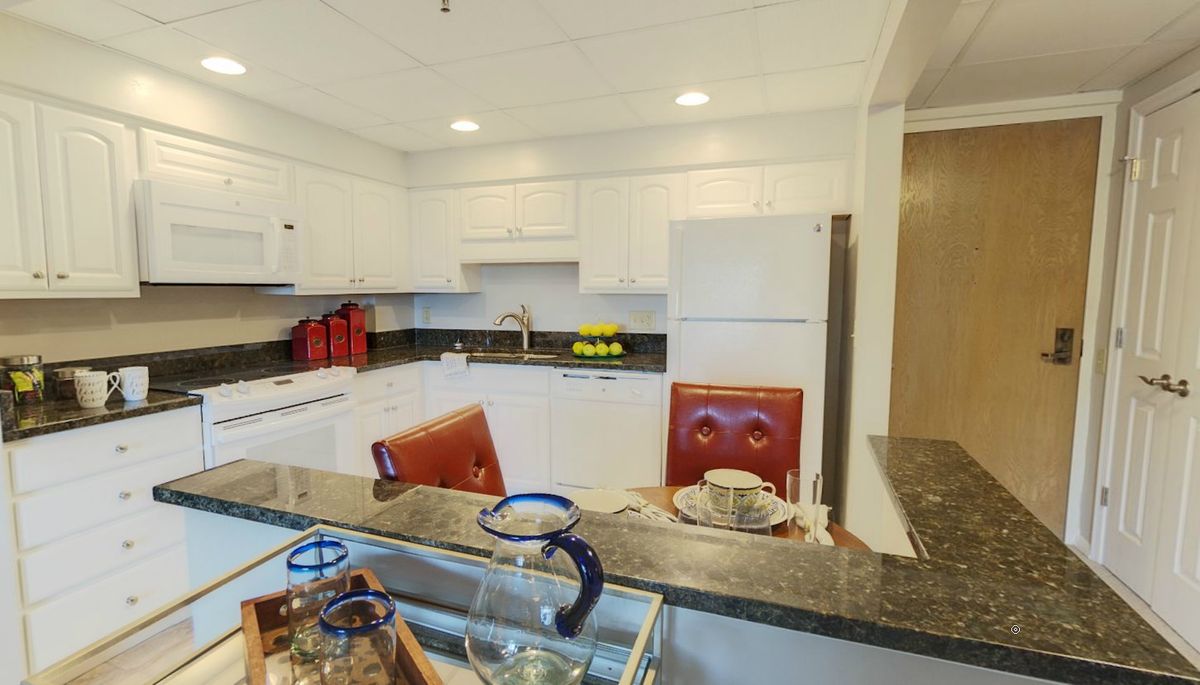
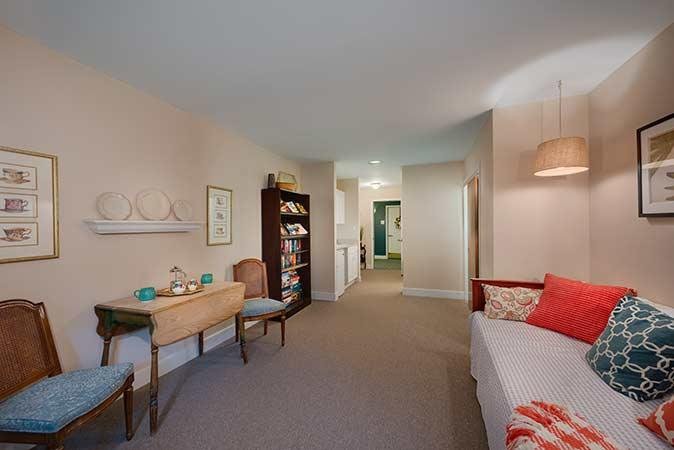
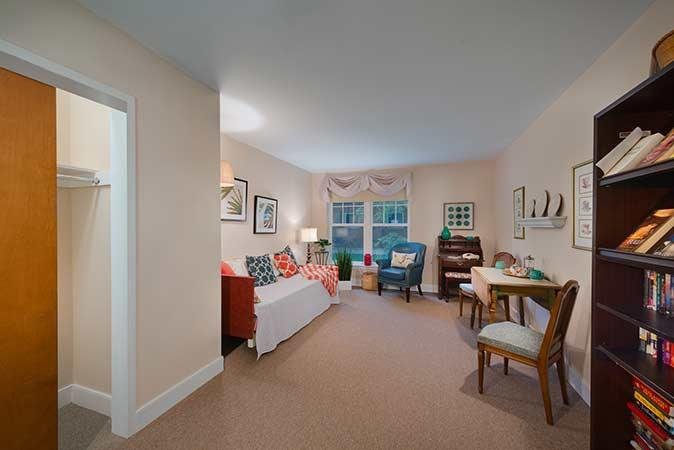
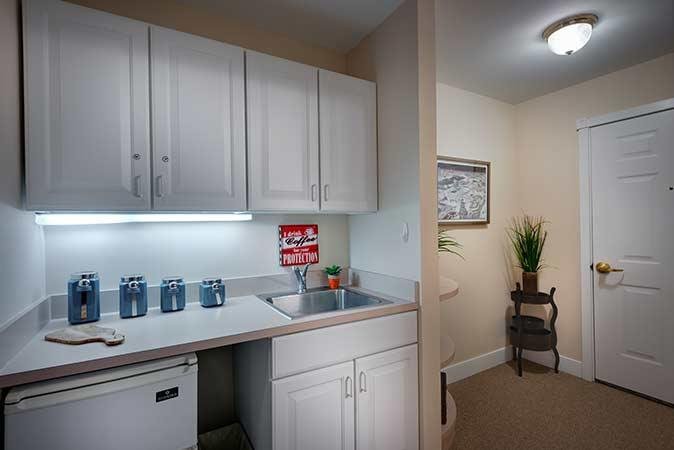
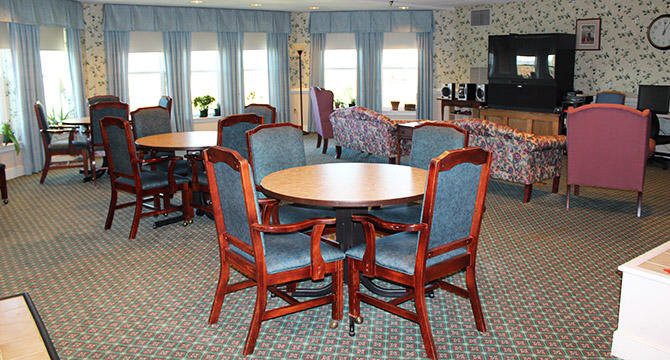
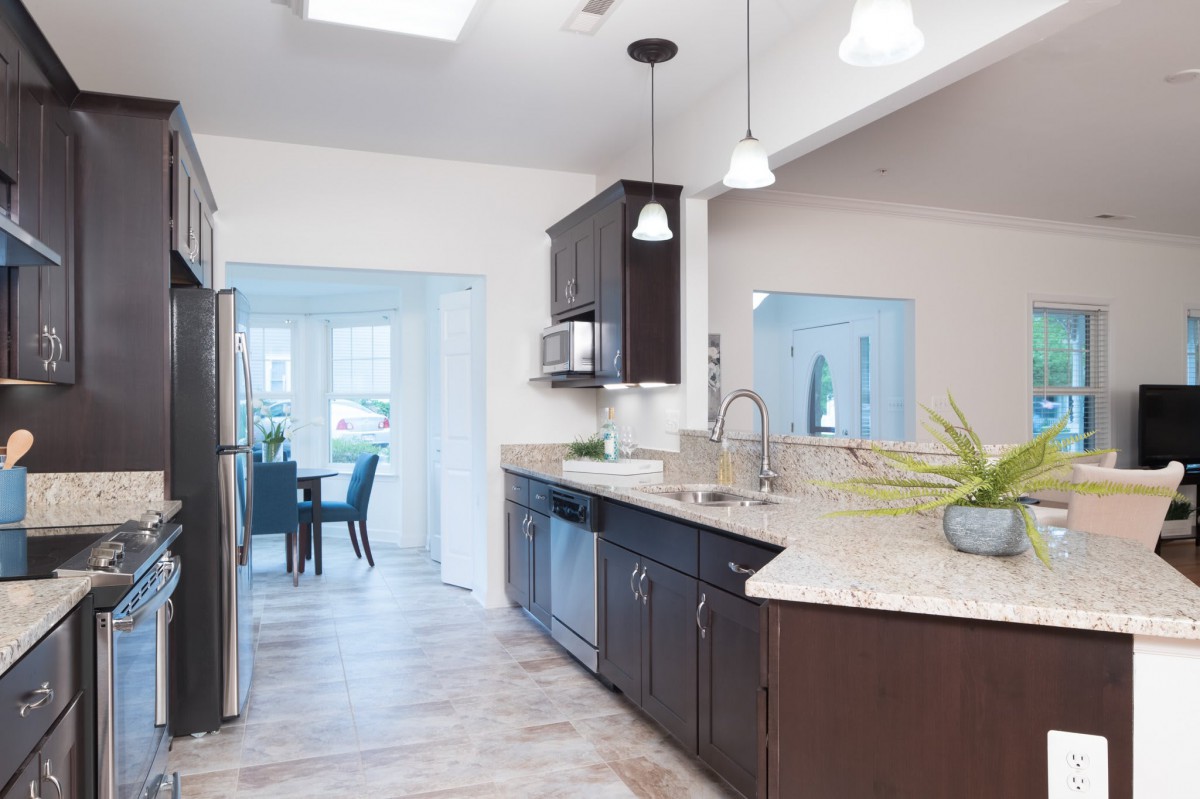
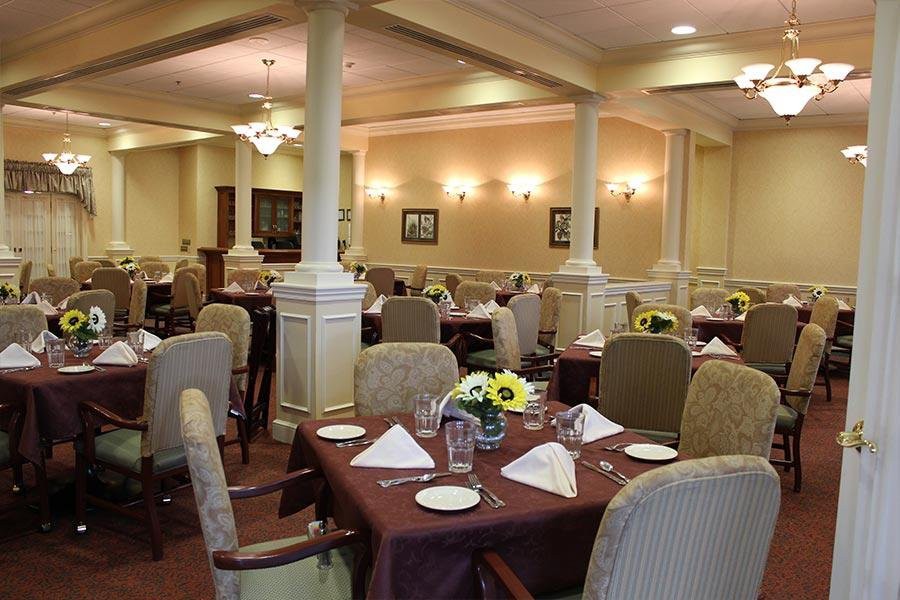
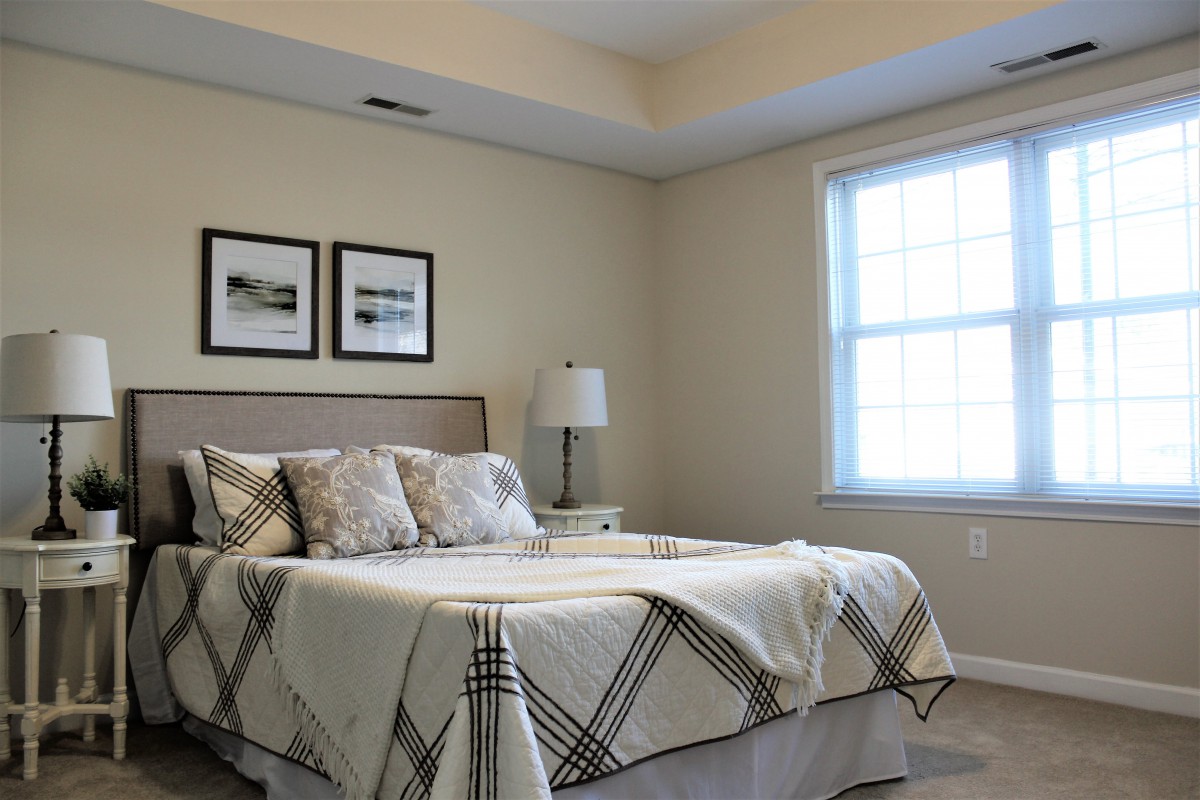
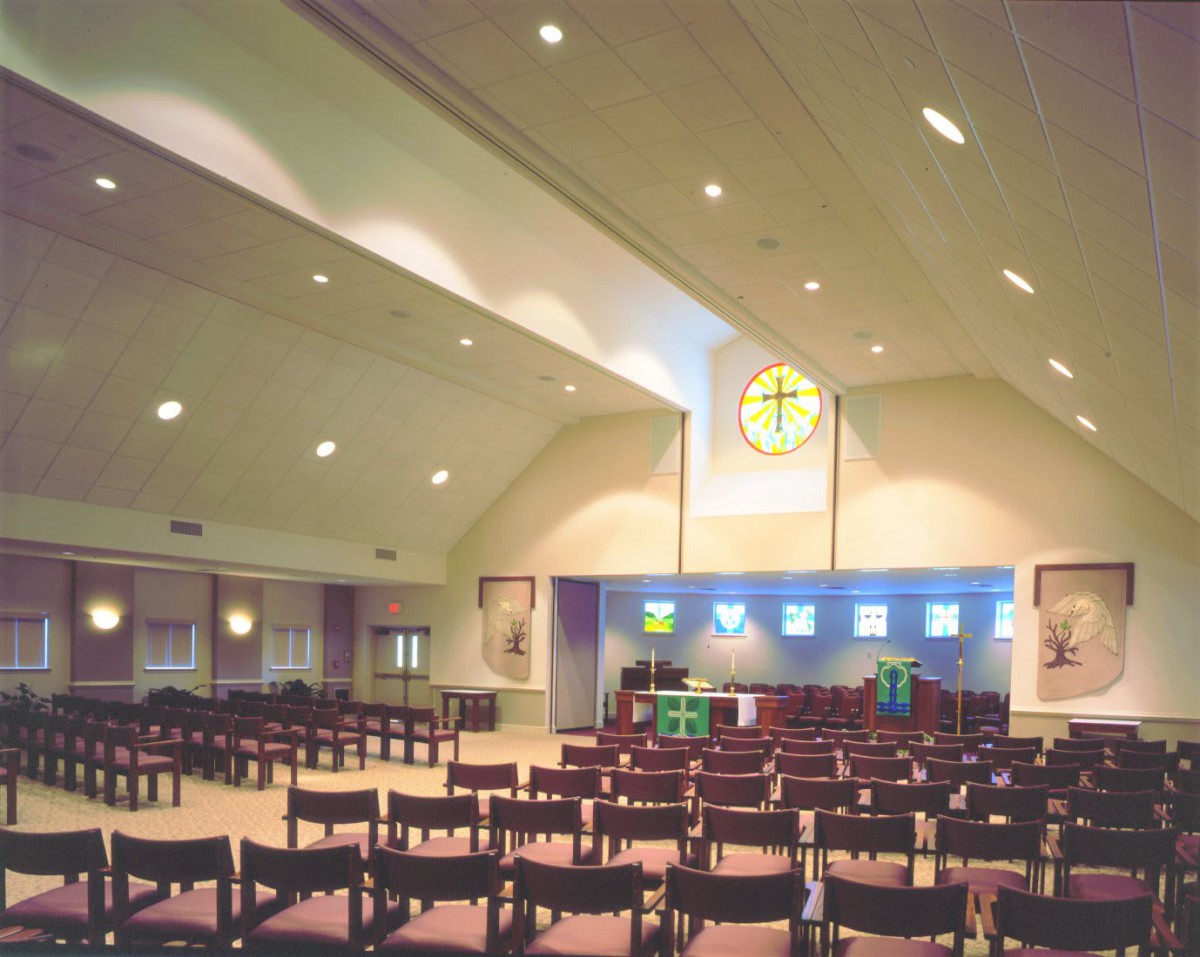
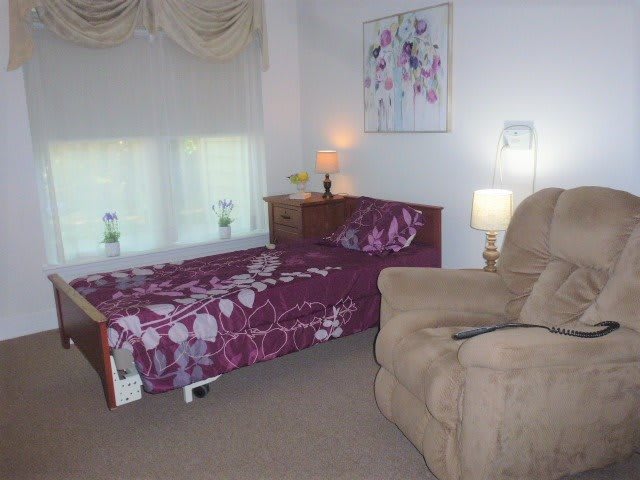
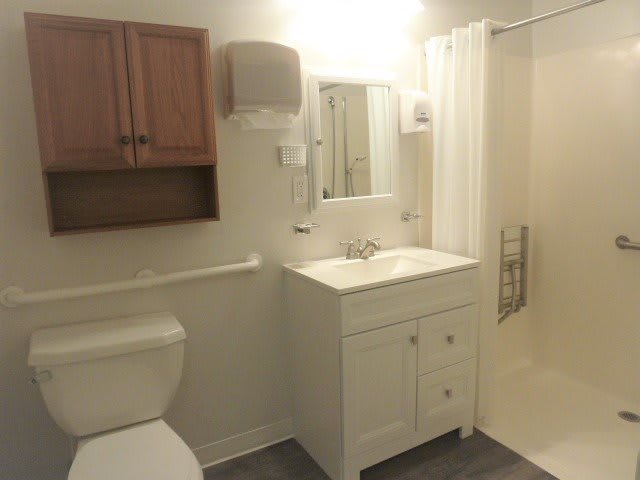
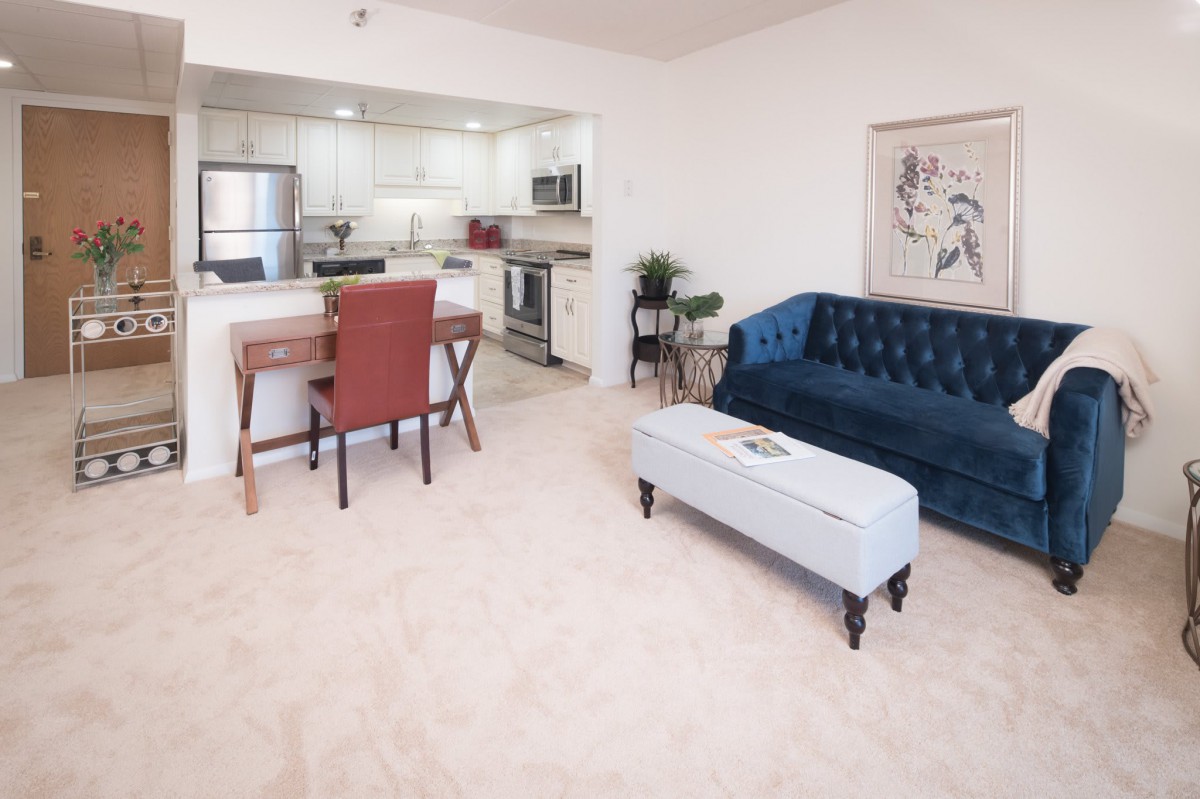
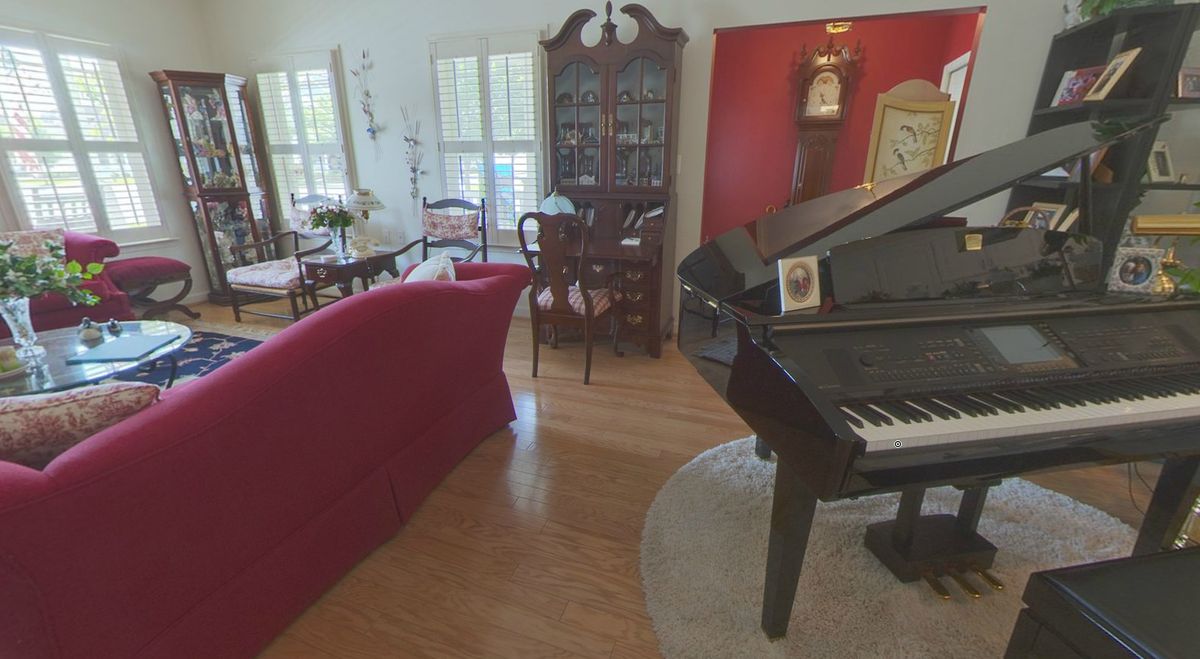
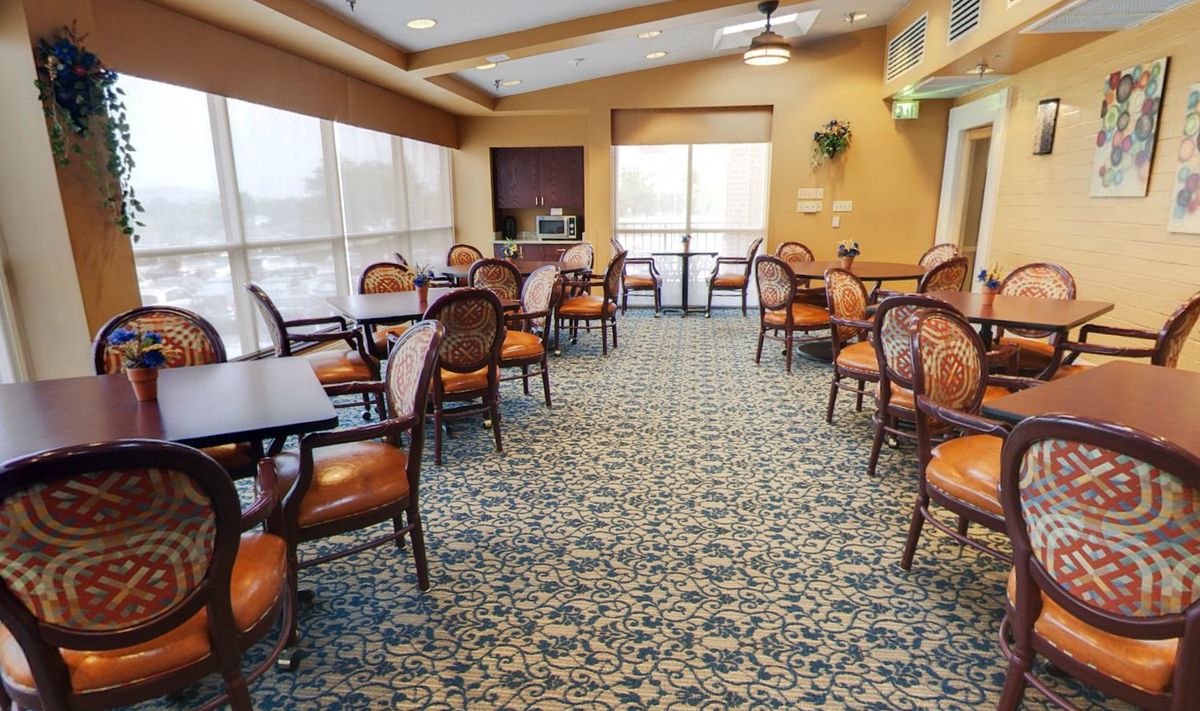
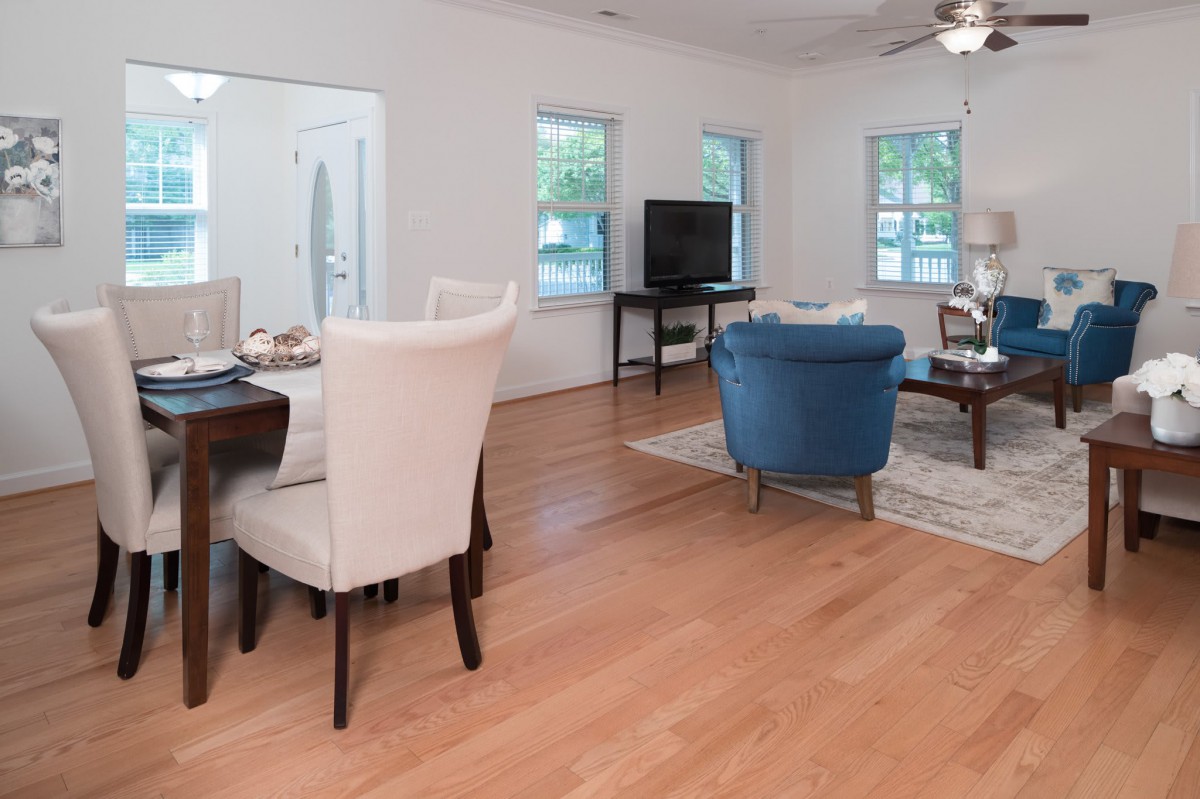
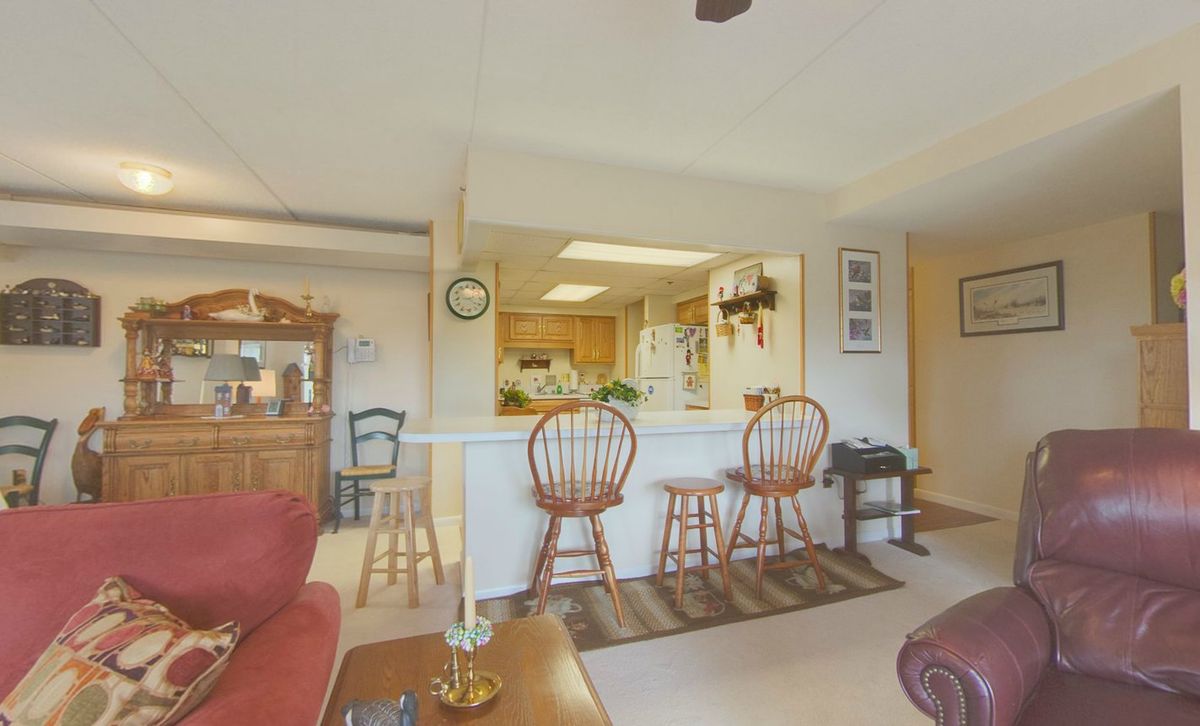
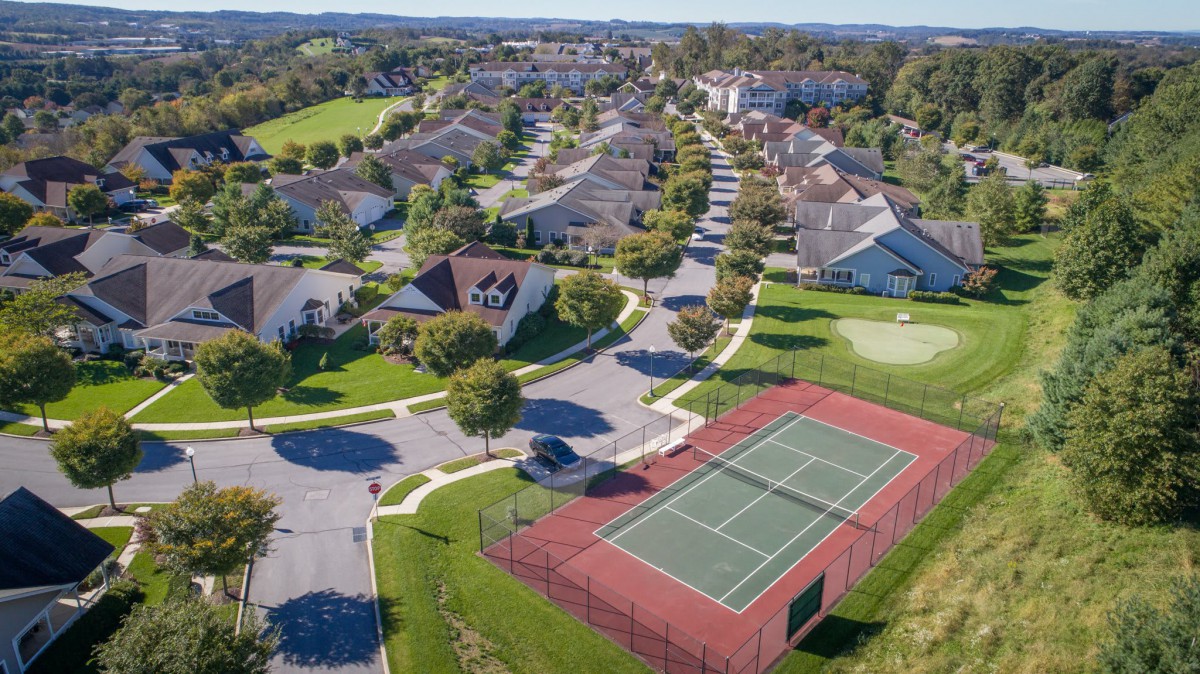
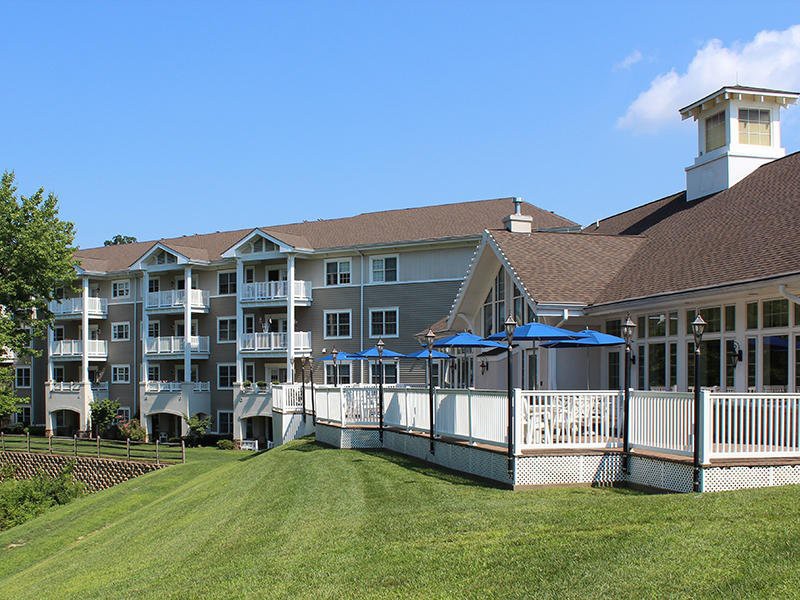
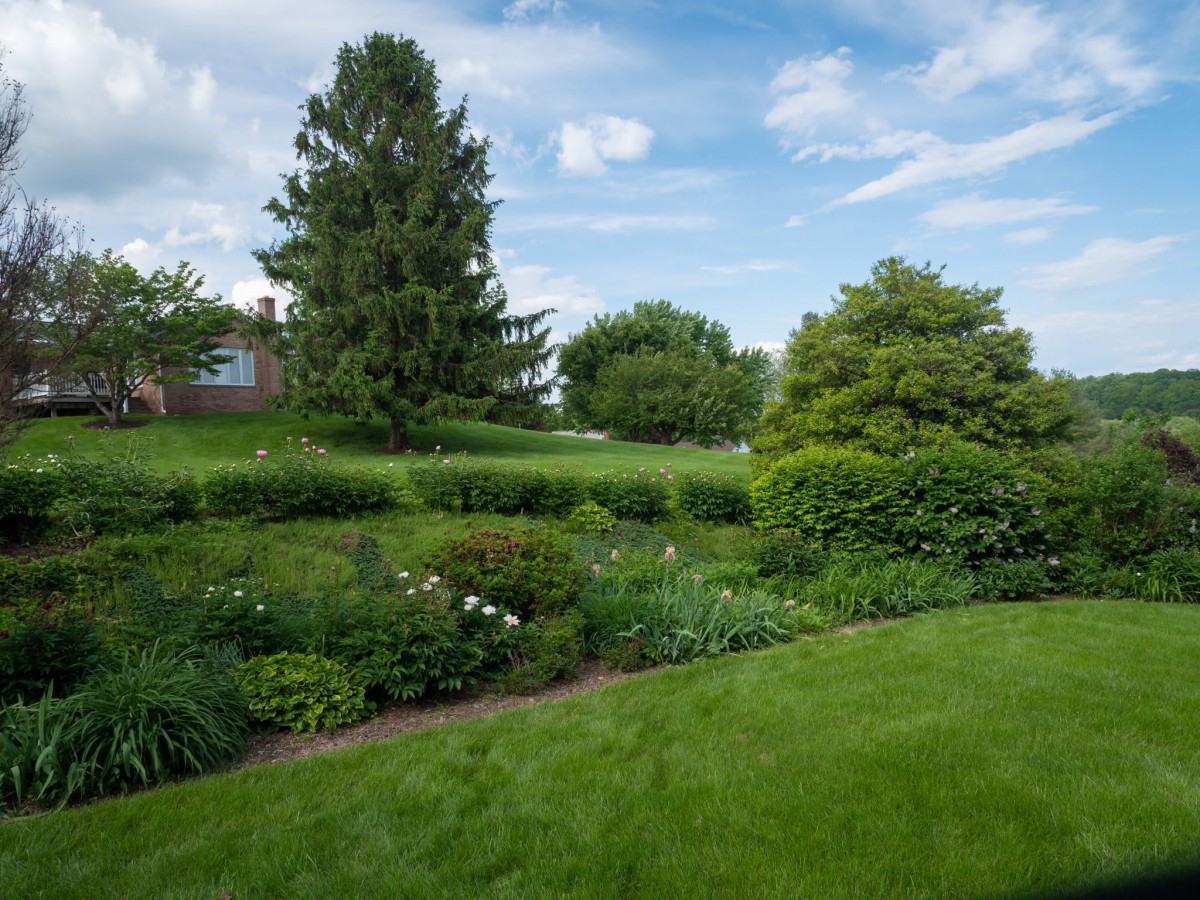
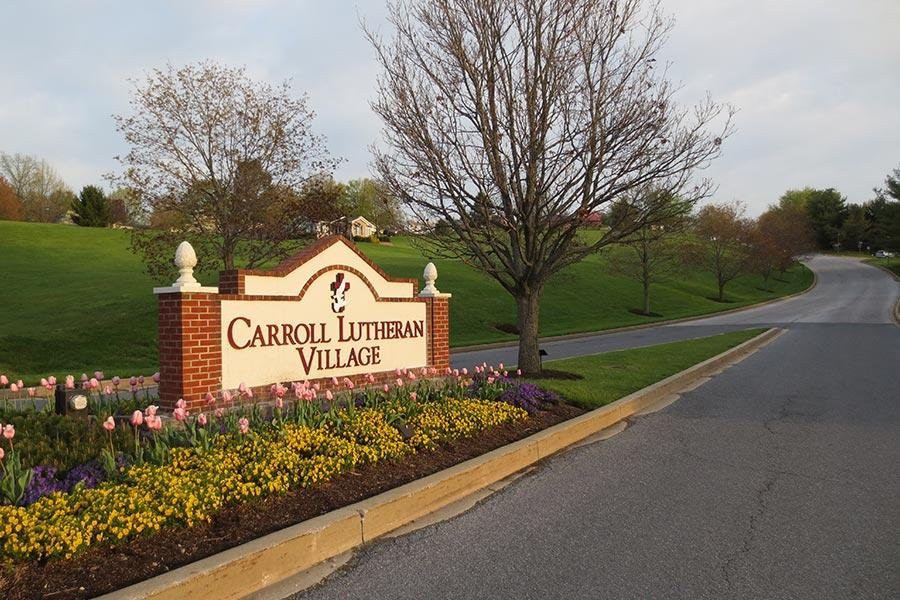
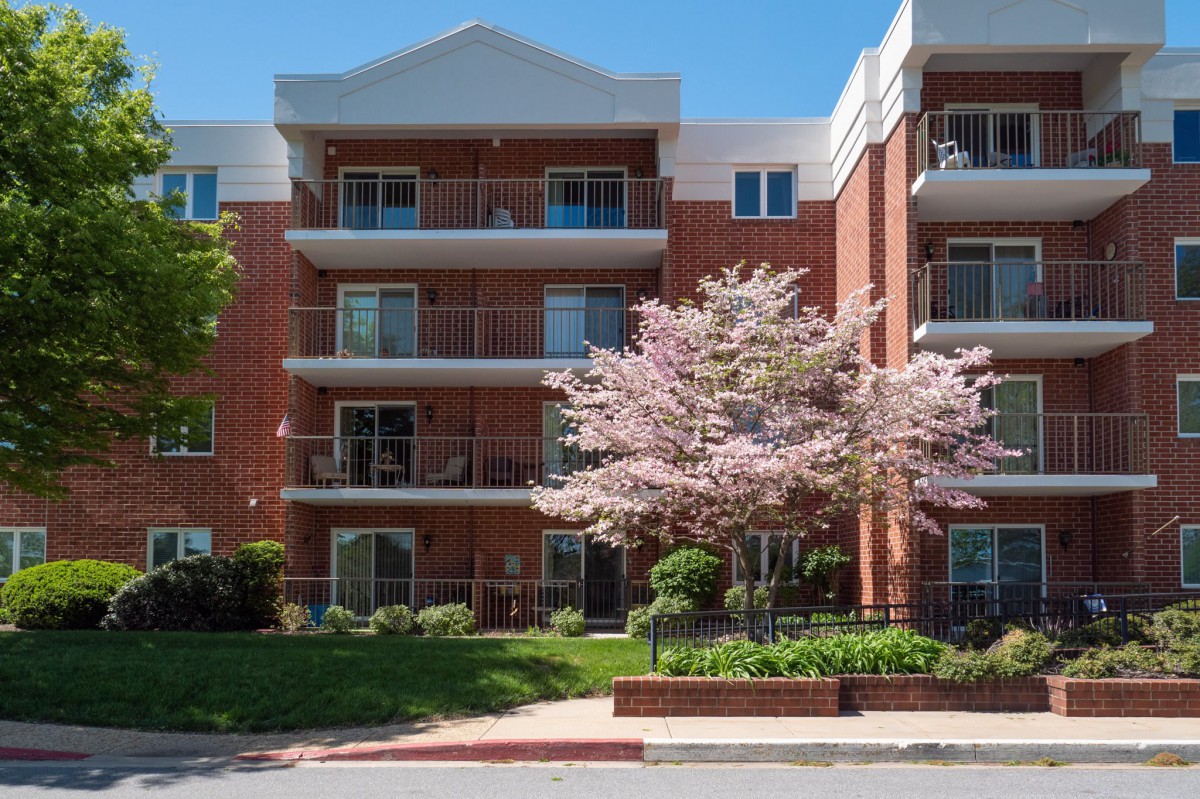
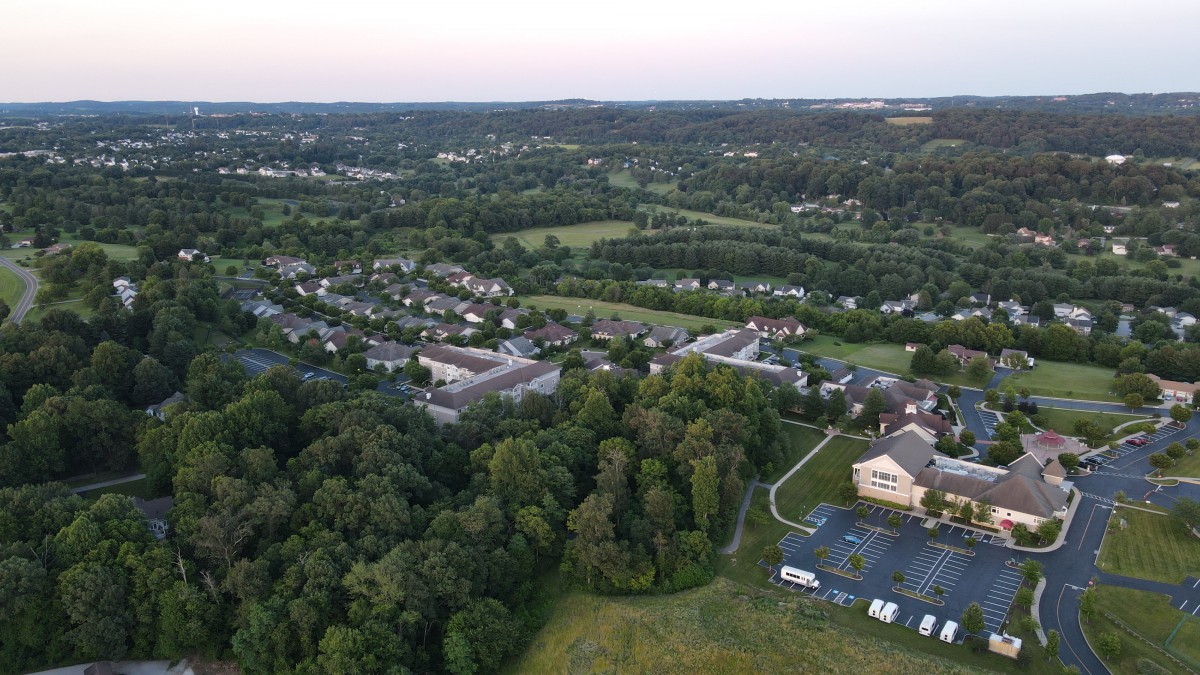
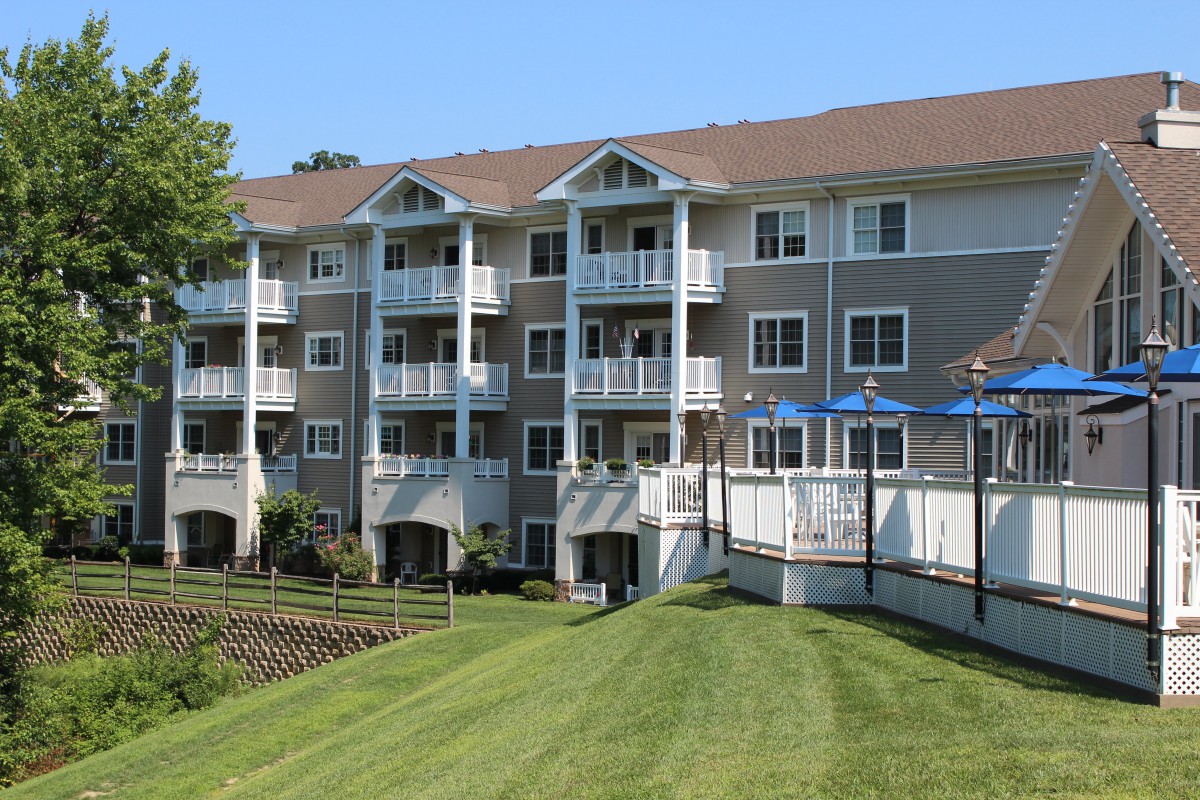
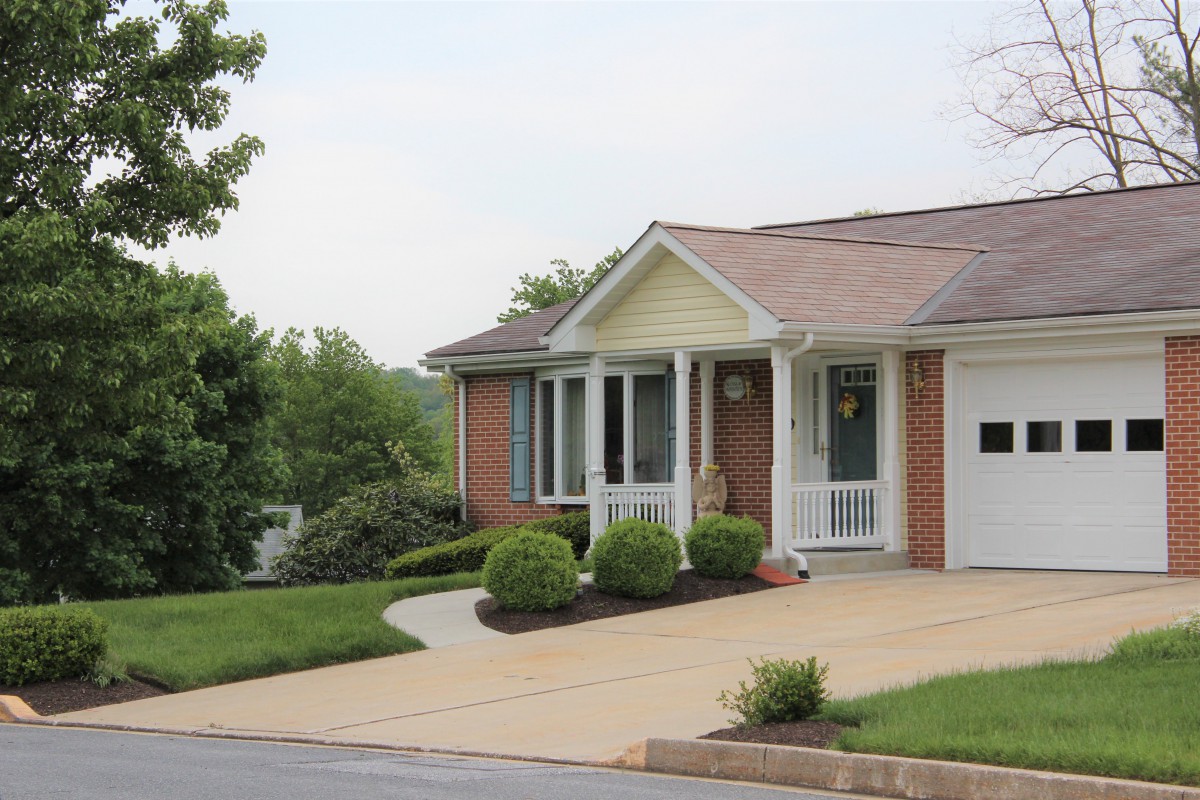
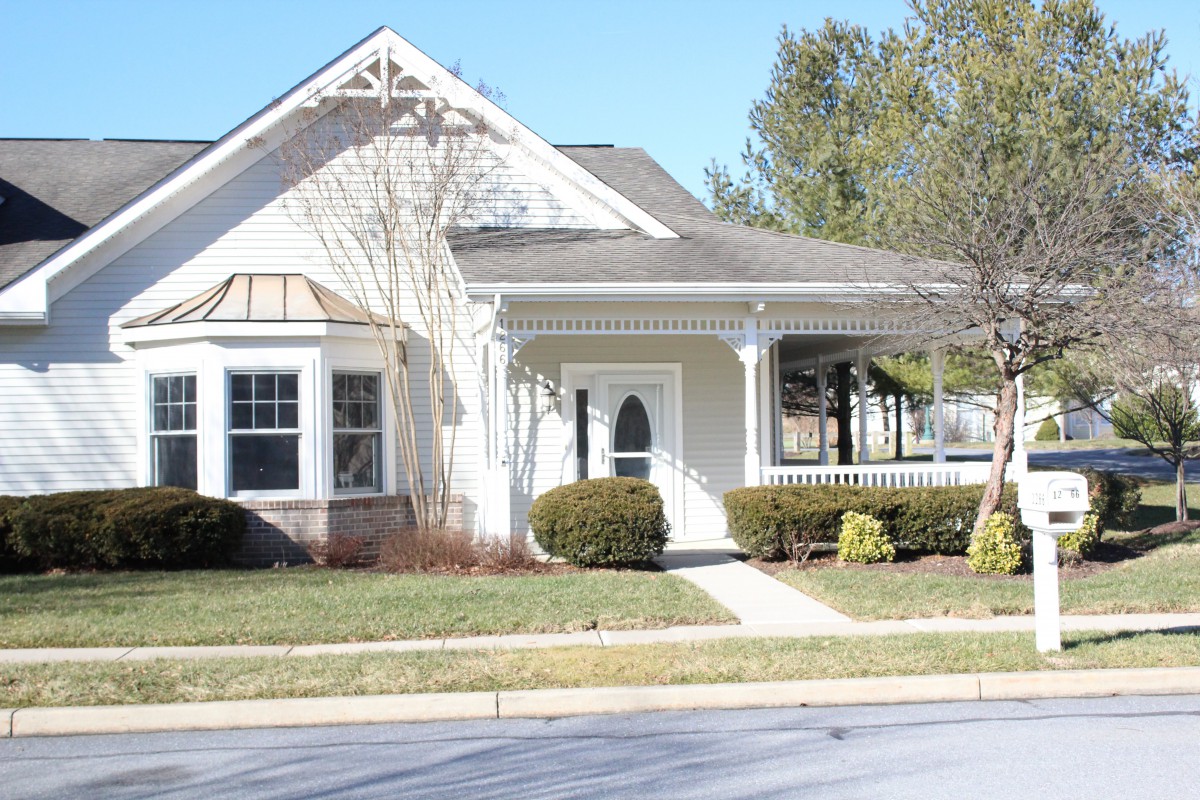
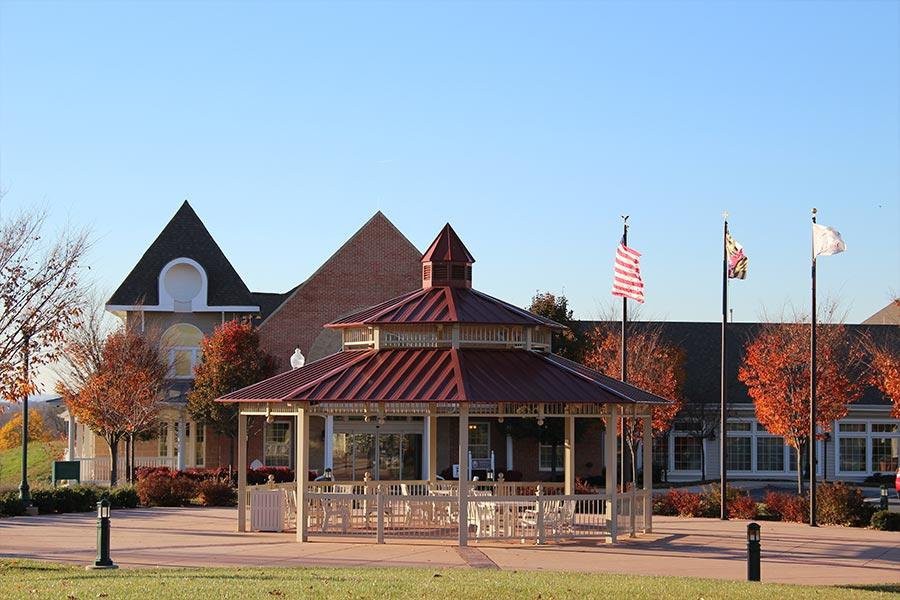
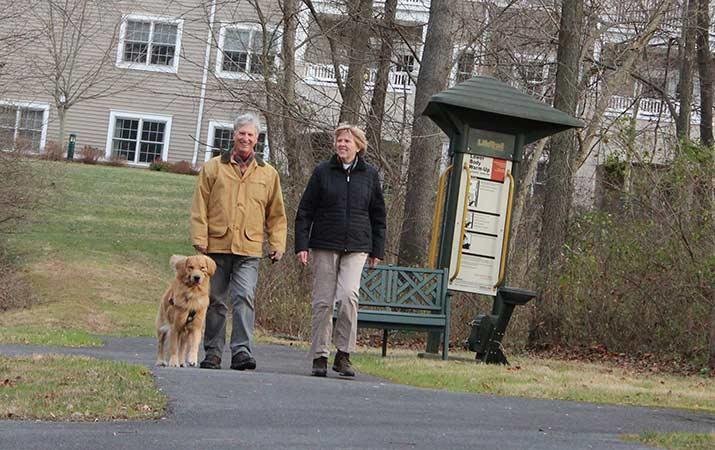
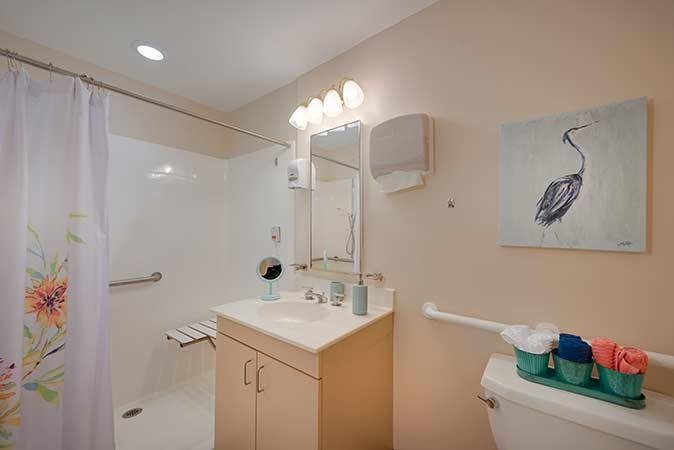
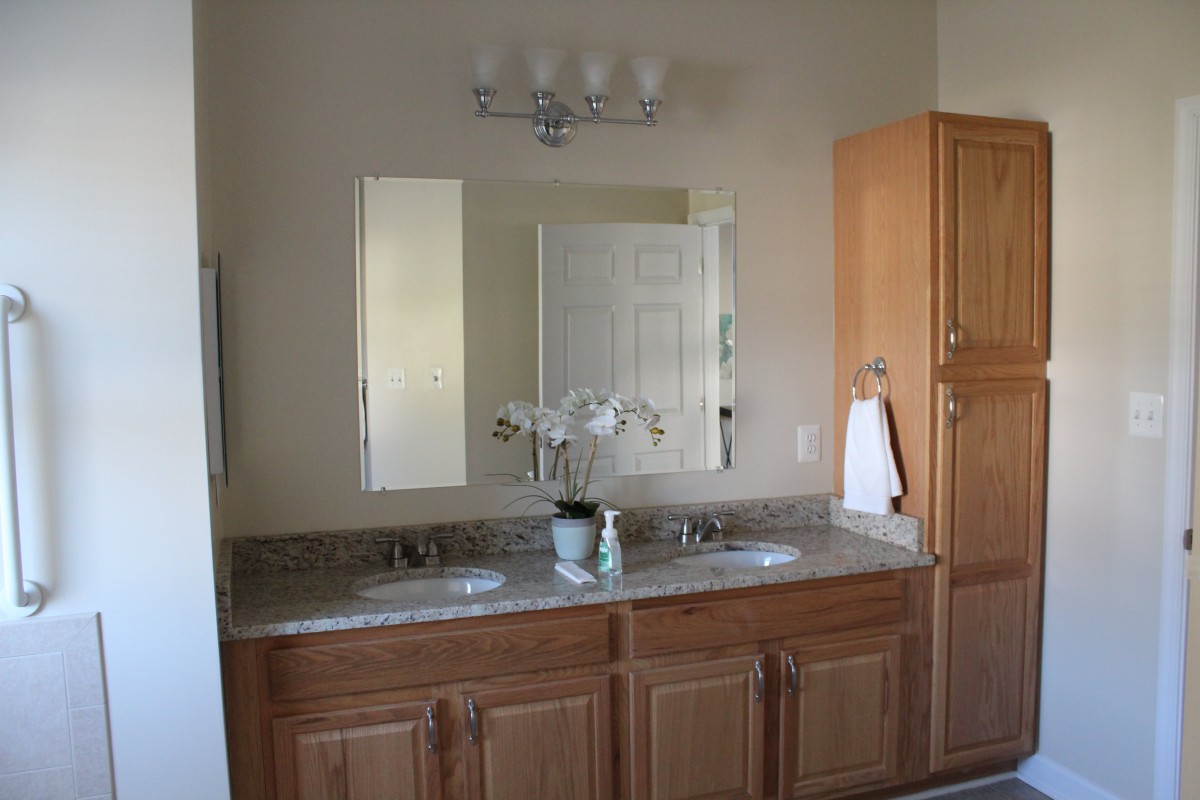
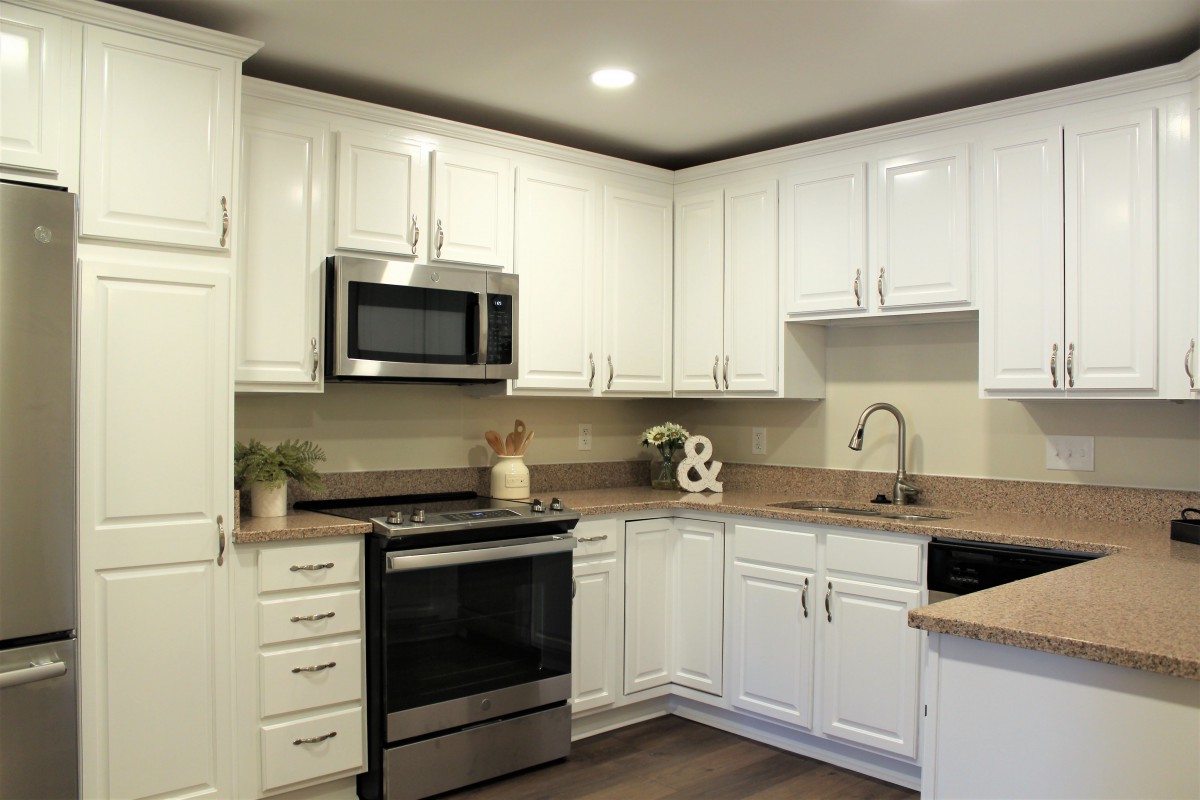
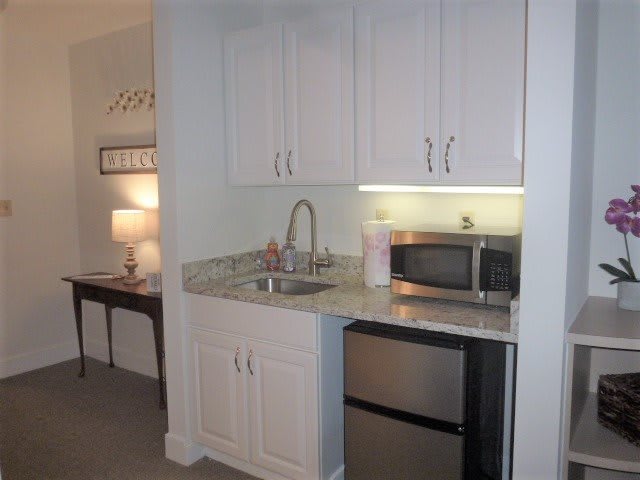
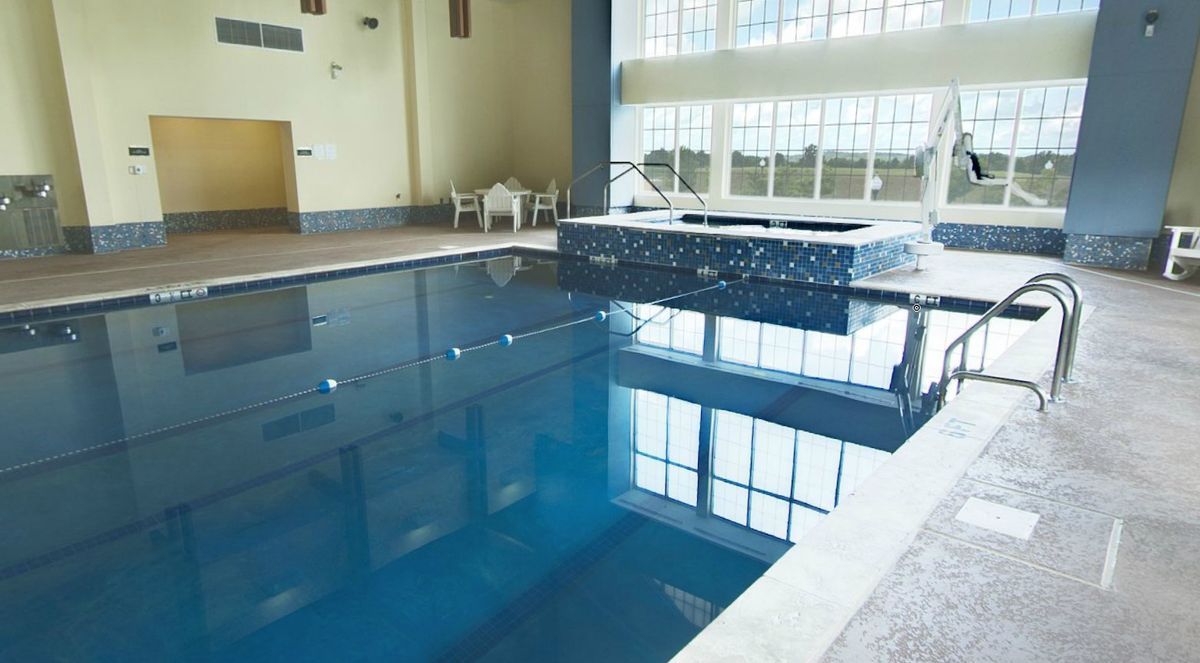
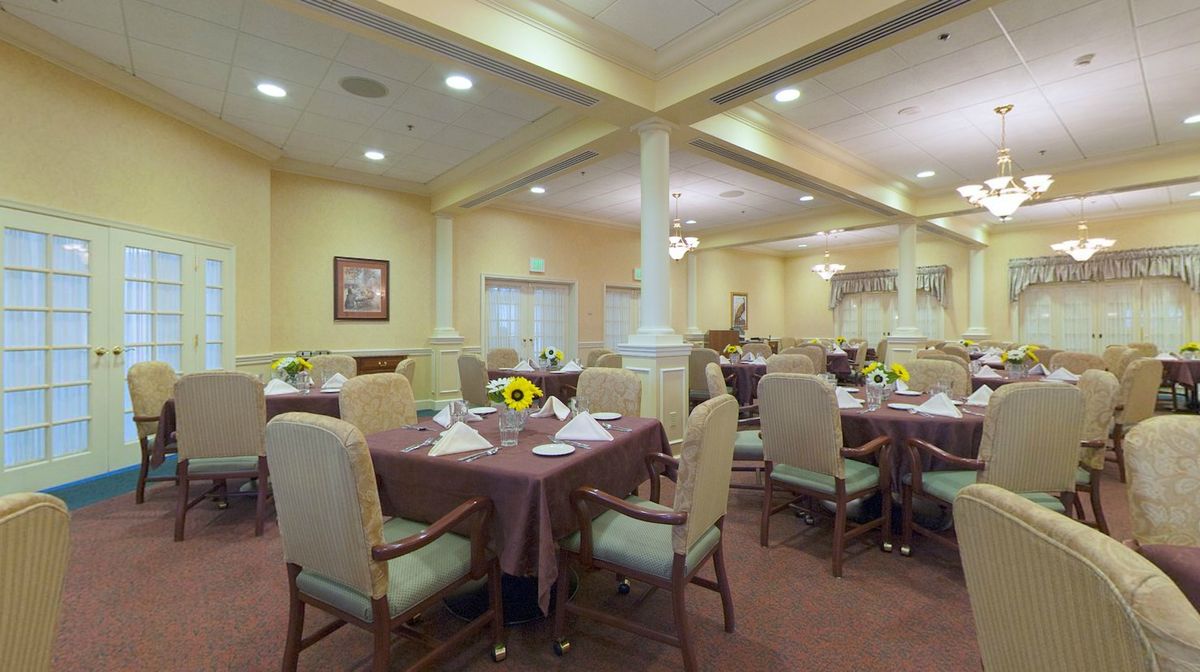
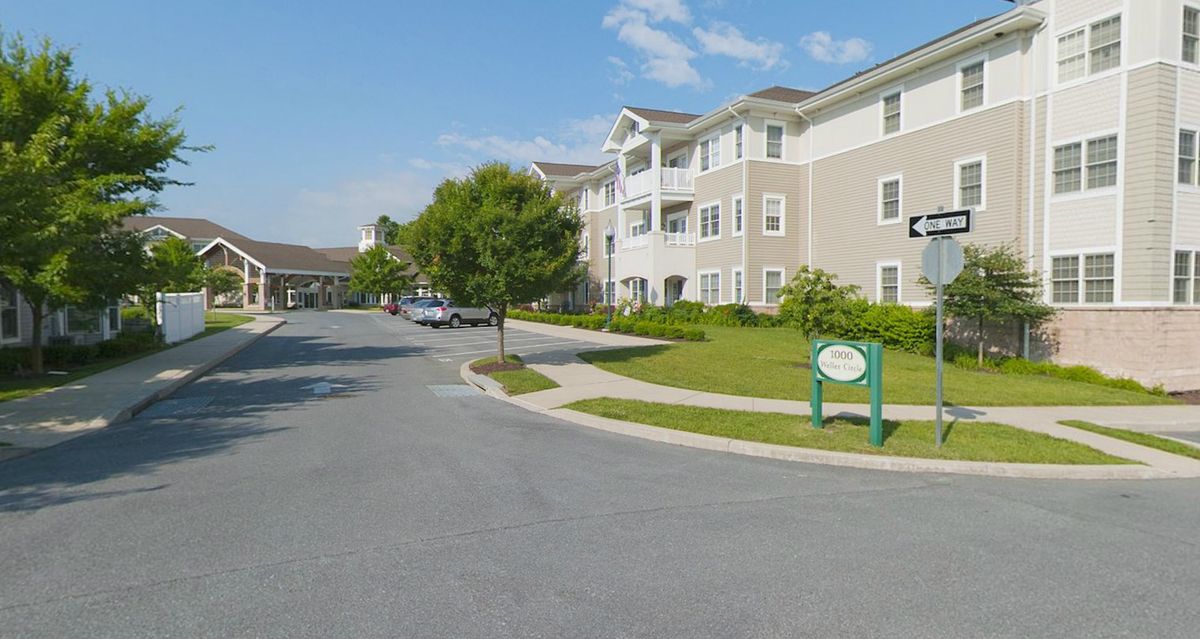
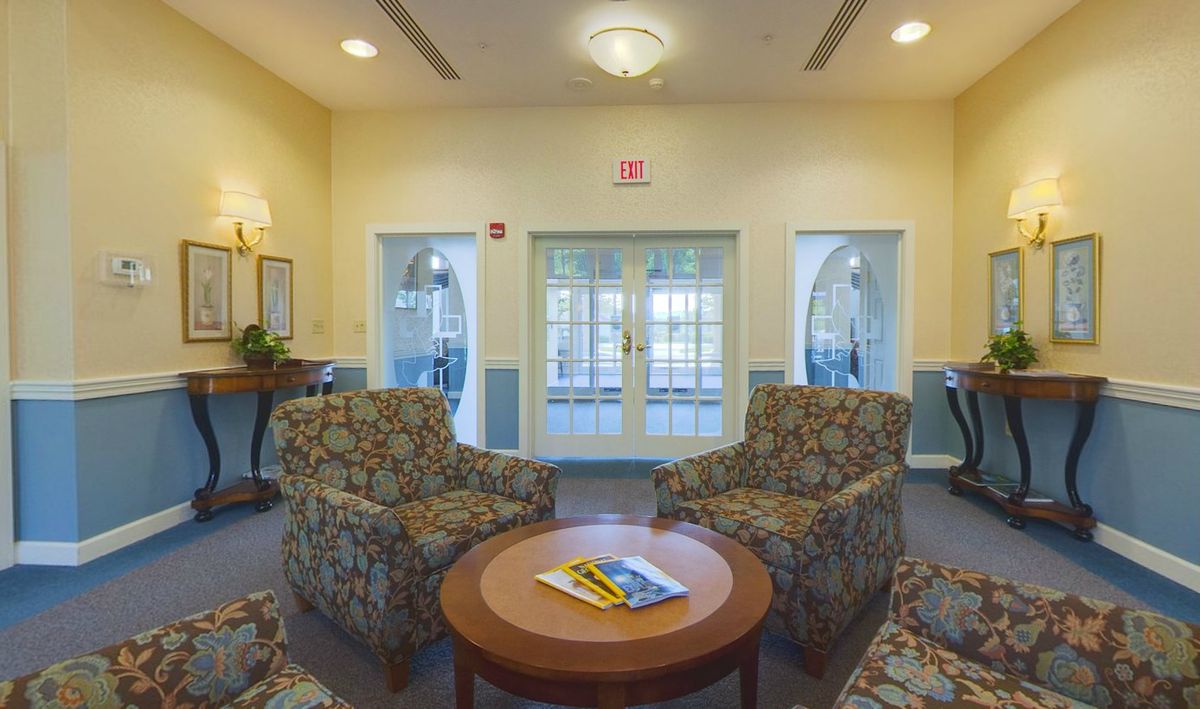
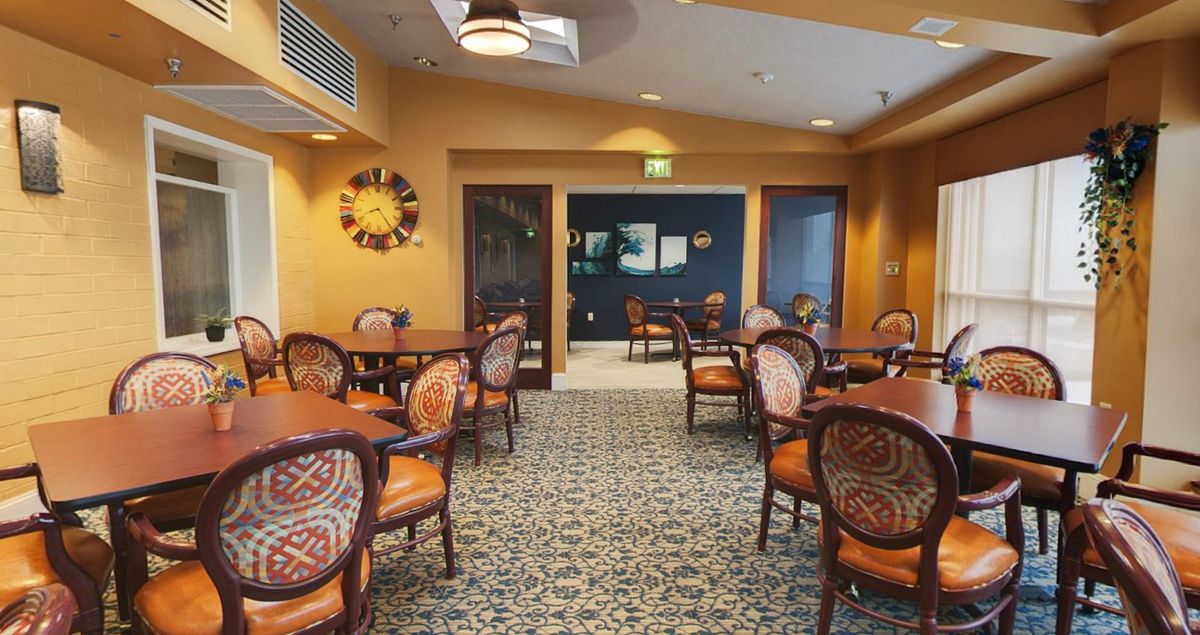
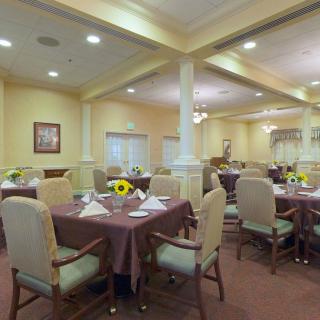
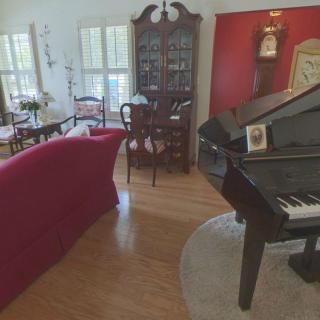
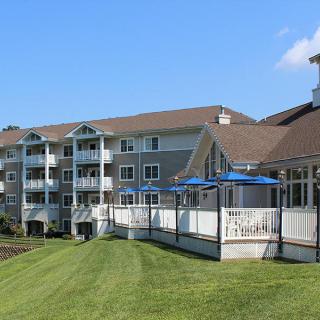
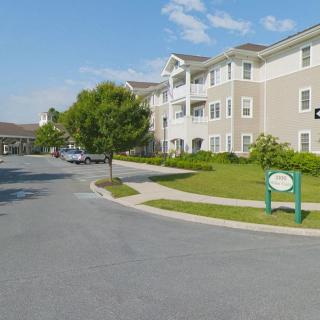
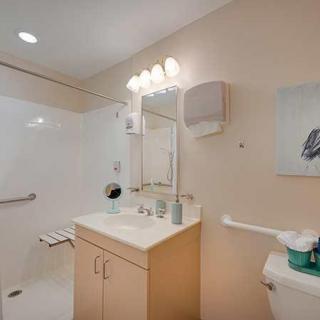
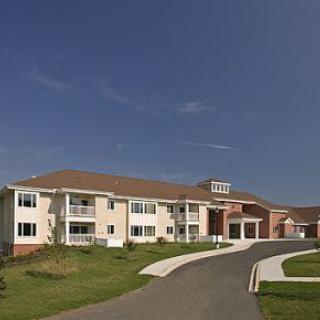
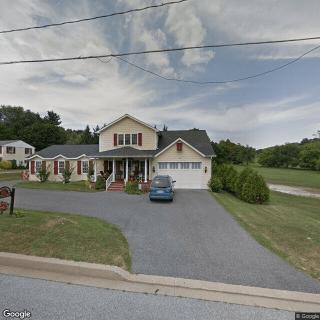
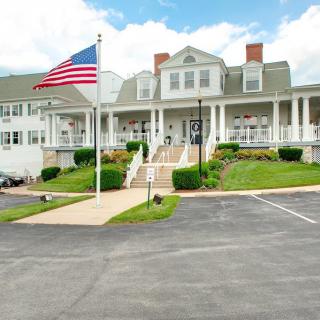
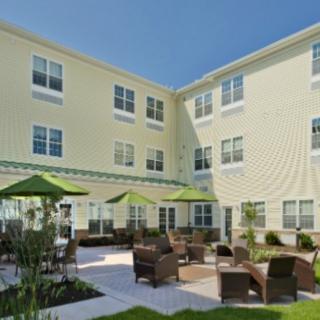
Carroll Lutheran Village a CCRC on seniors.fyi includes 61 photos including images showing interior, dining, landscaping, decor, outdoors, living room, trees, windows, and more.
Nearby Communities
Carroll Lutheran Village
Westminster, MD
4.2 from 69 reviews
Comprehensive care options (CCRC and skilled nursing) with extensive amenities.
Bethania Home Care at Bell Road
Westminster, MD
5 from 6 reviews
$6,495 to $6,795 / month
Small, intimate setting (capacity 16) with full ADL support and on-site amenities.
Bethania Care Home
Westminster, MD
5 from 8 reviews
Qualified, attentive staff with strong communication; clean, well-furnished rooms; engaging activities and a family-style dining experience.
Sunnybrook Senior
Westminster, MD
3.9 from 22 reviews
$873 to $942 / month
Welcoming, well-maintained community with friendly staff.
Sunflower Hill Assisted Living
Westminster, MD
4.6 from 25 reviews
$3,800 / month
Attentive staff with strong leadership and affordable, high-quality care.
Greenvale Mews
Westminster, MD
Intimate community with personalized care and easy access to healthcare and amenities nearby.
The Terraces at Westminster
Westminster, MD
4.5 from 75 reviews
$3,000 to $5,500 / month
Caring staff, engaging activities, and a welcoming, homey atmosphere.
Brightview Westminster Ridge
Westminster, MD
4.7 from 141 reviews
$3,295 to $4,970 / month
Clean, welcoming community with friendly staff and engaging activities.
Lorien Taneytown
Taneytown, MD
4.4 from 79 reviews
$5,280 to $6,510 / month
Caring staff, engaging activities, and a clean, welcoming environment with good dining.
The guide highlights the importance of assisted living facilities for aging veterans needing daily support, discusses unique challenges they face, and outlines available financial assistance from the VA, including the Aid and Attendance program. It emphasizes understanding eligibility criteria and navigating the VA system to access necessary benefits effectively.
The article compares assisted living and skilled nursing facilities, detailing their differing levels of assistance, medical support, cost structures, and day-to-day experiences. It emphasizes that assisted living is for those needing help with daily activities while maintaining independence, whereas skilled nursing facilities provide intensive medical care with 24-hour staff supervision.
The transition from assisted living to skilled nursing care is often prompted by complex medical needs that assisted living cannot meet, with key indicators including frequent health declines, increased falls, severe memory issues, and caregiver burnout. Families should recognize these signs early to discuss options with healthcare providers and prepare for the emotional and logistical aspects of moving to a facility that offers comprehensive medical support.
Get PricingAsk A QuestionSchedule A TourContact Senior Advisor
By clicking submit, you agree to our Partner's Terms of Use. You
also consent to receive calls and texts, which may be autodialed, from our Partner. Your consent is not a condition to
using our Partner's service. Please visit our Partner's Privacy Policy for information about their privacy practices.












 22 resident community capacity
 Assisted Living
 Continuing Care Retirement Community (CCRC)
 Independent Living
 Respite Care
 Skilled Nursing Facility
 Cats allowed
 Dogs allowed
 Activities off-site
 Air-conditioning
 Bath tubs
 Beautician on-site
 Cable or satellite TV
 Devotional services on-site
 Full kitchen
 Fully furnished
 Garden
 Ground floor units
 Housekeeping services
 Indoor common areas
 Move-in coordination
 Outdoor common areas
 Private bathrooms
 Swimming pool / hot tub
 Wi-Fi/high-speed internet available
 Community operated transportation
 24-hour call system
 Ambulatory care
 Assistance with bathing
 Assistance with dressing
 Assistance with transfers
 Diabetes diet
 Diabetic care
 High acuity care
 Incontinence care
 Meal preparation and service
 Medication management
 Special dietary restrictions
 Art classes
 Catholic services
 Cooking classes
 Day trips and outings
 Educational speakers / life long learning
 Fitness programs
 Happy hour
 Live dance or theater performances
 Live musical performances
 Live well programs
 Wine tasting
 Comprehensive care options (CCRC and skilled nursing) with extensive amenities.
 Assisted Living Support for Veterans: A Complete and Detailed Overview
 Exploring the Contrasts Between Assisted Living and Skilled Nursing
 8 Key Indicators That Suggest It May Be Time to Transition from Assisted Living to Skilled Nursing Care