
2289 Meadow Trail Lane, West Friendship, MD 21794
To contact a resident: (410) 489-6702
For more information about senior living options: (866) 208-4318
Overall Review of Meadow Assisted Living
Pros
 The Meadows was described as a prayer answered.
- Vida and her family are genuinely kind and loving.
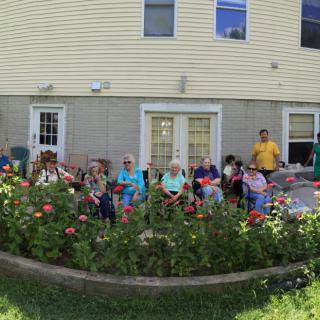
- It is a beautiful home for five residents on gorgeous grounds.
- It is truly a gift.
- They are very happy and grateful to have found this gem.
- The facility looks like a first-class hotel, and the caregivers are well educated and experienced.
- Residents no longer need their wheelchairs due to the staff's patience and knowledge.
- There are three staff members to ensure everyone is well taken care of for five residents.
- The rooms are very spacious and very clean.
- The owner plans to expand to accommodate more residents.
Cons
 The property was overgrown and gave a bad first impression.
- The residents live in a walk-out basement.
- It was dark and depressing—no windows in the living area.
- Given roughly the same cost as Sunrise, it was a no-brainer to rule it out.
- Meadow Assisted Living Facility is not a place anyone would want a relative to reside.
- The grounds were poorly kept and the lawn had not been mowed several times.
- The facility was in need of a coat of paint and looked run-down.
- The caretakers were sub-leasing the facility to an additional family to make ends meet.
- There were no amenities to prevent residents from wandering off.
- All of the rooms had external sliding doors to the outside, making it possible for residents to get out.
- They would never recommend the place to anyone.
Review
Meadow Assisted Living in West Friendship is best suited for families seeking an intimate, home-like setting where a small group of residents can receive unusually personalized attention. This is the kind of place that feels more like a private residence than a traditional assisted living campus, with caregivers who know each resident’s quirks, routines, and history. It appeals to families prioritizing warmth, continuity, and hands-on care over polish, extensive programming, or institutional scale. Those who need robust safety features, a wide range of on-site amenities, or a bustling social calendar will likely find this setting too small and too basic to satisfy long-term needs.
Alternatives are worth considering for anyone who places a premium on a bright, well-maintained environment, strong safety infrastructure, and a larger community. The reviews repeatedly flag issues that large, more structured facilities typically address, well-kept grounds, daylight-filled common areas, and formal wandering safeguards. When price or proximity is a factor, prospective buyers should compare Meadow against nearby operators with more developed amenities and clearer safety protocols. If cost parallels or exceeds comparable offerings at well-regarded operators, Meadow’s drawbacks become more pronounced.
The strongest pro here is the evident caregiver commitment. Several reviewers describe staff as genuinely kind, educated, and experienced, with claims that patients have gained independence and resumed activities thanks to attentive, patient care. The positive notes about the living environment emphasize spacious, clean rooms and a homey atmosphere that many families value deeply. A dedicated owner and family-driven approach are cited as meaningful benefits, producing a sense of gratitude and trust among residents and their families when the atmosphere is calm and personal connections are clear.
Yet the cons are substantial and frequently highlighted. The property’s presentation in some visits was described as overgrown, with grounds that look neglected and a building that appears tired, paint peeling, a run-down exterior, and insufficient curb appeal. The most troubling safety red flags involve residents living in a walk-out basement with limited daylight, and the absence of specific wander-prevention amenities or secure outdoor access controls. Sub-leasing concerns, reported by caretakers themselves, raise questions about governance and resource stability. A five-resident model, while intimate, also implies limited social opportunities and a higher risk of feeling isolated if one or two residents are out of the home.
These positives and negatives sit against a practical calculation: the intimate care can be exceptional, but the facility’s condition and safety gaps may undermine the overall senior-living experience. The local landscape includes alternatives that deliver similar or better levels of care in a more polished, safer package, often with more robust activity programming and predictable upkeep. For families weighing day-to-day quality of life, Meadow’s best-case scenario hinges on steady staff reliability, ongoing facility improvements, and transparent governance, elements that may or may not align with the expectations attached to a long-term placement.
In the end, Meadow is a viable choice for a narrowly defined cohort: families seeking a deeply personal, low-traffic living arrangement where caregivers foster a genuine, almost familial sense of belonging and where medical needs are modest and well-managed through close staff relationships. It is not the pick for those who require formal safety infrastructure, consistent curb-appeal, or expansive programming. Prospective residents should visit with a specific checklist: observe caregiving interactions, request current care plans, ask about safety features and changes planned for the building, and verify licensing and staffing levels. If these points cannot be solidly confirmed, or if a broader, more polished environment is a priority, pursuing alternatives such as Sunrise or other nearby communities is a prudent, practical move.
 Activities off-site
 Indoor common areas
 Outdoor common areas
 Respite or short term stays offered
 Wheelchair accessible showers
 Baltimore-Washington International (20 miles away)
 Ambulatory care
 Diabetic care
 Incontinence care
 Kosher



 Compassionate Conversations: How to Comfort Someone Who Is Grieving
 Home Health Care Aides: Understanding Their Role and Supporting Your Family
 Urinary Tract Infections in Older Adults: Comprehensive Insights on Symptoms, Treatment, and Prevention