
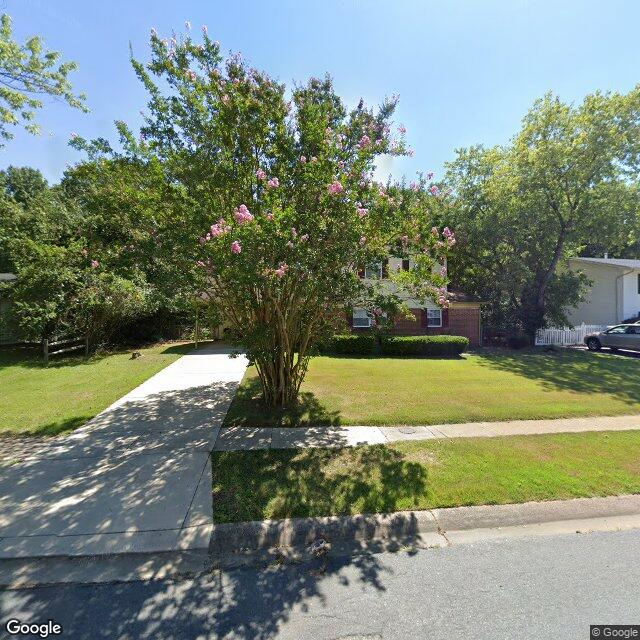
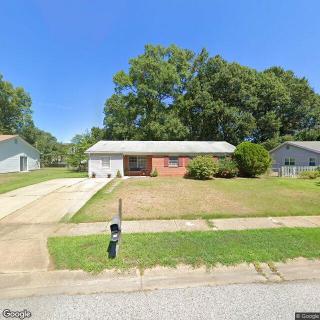
410 Garner Ave, Waldorf, MD 20602
To contact a resident: (240) 412-0024
For more information about senior living options: (866) 208-4318
Starcare Partners Costs & Pricing
Starcare Partners offers competitive monthly rates for its services, particularly in comparison to both Charles County and the broader Maryland market. For a semi-private room, Starcare Partners charges $2,000, significantly lower than the average cost of $2,671 in Charles County and $3,545 across the state. Similarly, the price point for a private room at Starcare is set at $2,300, which stands in stark contrast to the much higher fees of $4,094 in Charles County and $4,112 statewide. These pricing structures not only highlight Starcare Partners' commitment to affordability but also reflect its dedication to providing quality care within a cost-effective framework for residents seeking supportive living arrangements.
| Floor plans | Starcare Partners | Charles County | Maryland |
|---|---|---|---|
| Semi-Private | $2,000 | $2,671 | $3,545 |
| Private | $2,300 | $4,094 | $4,112 |
Senior living communities with a similar price nearby
-
About the same
Eby Health Services II
$2,000 to $3,000 / month10.8 miles away -
from +$100 / mo
Mamie's Loving Care III
$2,100 to $3,000 / month14.0 miles away -
About the same

Tri-star Solutions
$2,000 to $3,000 / month9.3 miles away -
from -$75 / mo
Southwinds 2
$1,925 to $2,225 / month1.6 miles away -
from +$200 / mo
Northview Assisted Living Facility
$2,200 to $2,500 / month11.9 miles away
Overall Review of Starcare Partners
Pros
 The reviewer was impressed with the facility.
- The reviewer was impressed with the RN.
Cons
 The site lacks a secure outdoor area.
Review
Starcare Partners in Waldorf, MD is best suited for families seeking steady nursing oversight within an assisted-living setting. The clearest takeaway is that the facility leaves a solid, professional impression, with a registered nurse readily available and visibly engaged. For residents who rely on regular medical attention, medication management, and clear clinical processes, this community offers a dependable baseline of care. It appears well-suited for individuals who can navigate daily routines with support and who do not require intensive, specialized memory-care programming. In practical terms, this is a practical option for those prioritizing competent clinical supervision and a well-maintained environment over more expansive therapeutic offerings.
Those who may want to consider alternatives include families prioritizing secure outdoor access or robust memory-care features. The most repeated concern from available observations is the absence of a secure outside area, which can be a decisive constraint for residents who wander, require tightly controlled outdoor spaces, or simply want safe, accessible outdoor time. For anyone seeking enhanced safety through enclosed courtyards or walking paths, or for programs designed specifically around dementia care with secure outdoor options, other communities will likely meet those needs more effectively. In short, those who value outdoor security and specialized memory-care environments should shortlist other options alongside Starcare Partners.
The key strength, the evident competence of the facility and the presence of a capable RN, partially offsets the primary drawback. On balance, professional nursing oversight and a well-kept environment deliver tangible security for residents requiring monitoring, timely interventions, and reliable medication administration. These clinical advantages translate into peace of mind for families who fear hospital-level issues or gaps in daily medical attention. However, the impact of that pro is limited by the absence of secure outdoor space; for some residents, meaningful time outdoors and safe wandering opportunities are non-negotiable, and that limitation can erode overall satisfaction despite solid clinical care.
From a risk-management perspective, the outdoor-area gap is the defining fault line. The lack of a secure exterior can dampen activity engagement, especially for more mobile or memory-impaired residents who benefit from outdoor stimulation without safety concerns. While dependable nursing coverage mitigates some health-related risks, it does not substitute for a physically safeguarded environment that enables safe, supervised outdoor activity. Families should weigh the comfort of strong clinical support against the potential regret of restricted outdoor access, particularly if social programs or fitness activities rely on outdoor space to attract participation.
Practical steps for families visiting Starcare Partners include evaluating the layout of outdoor spaces during tours and asking specifically about any enclosed courtyards, secured walking paths, or wander-management policies. Inquire about typical nurse-to-resident ratios during peak hours, how calls for assistance are prioritized, and what hospital or specialist partnerships exist for acute needs. Probe whether there are optional memory-care-minded programs, even at a basic level, and how the community handles residents who require more extensive supervision. Finally, request a sense of the daily rhythms, meal times, activity calendars, and opportunities for respite care, to determine whether the environment truly aligns with the residentā€™s lifestyle and safety requirements.
Bottom line: Starcare Partners offers solid clinical oversight and a respectable facility environment, making it a sensible choice for residents who rely on dependable nursing care and can operate without a secure outdoor area. It is less suitable for families whose priorities include guaranteed outdoor security, robust memory-care programming, or extensive wander-management capabilities. The rating suggests room for improvement, and the very specific outdoor-safety concern should be a central topic during any decision process. If outdoor security matters deeply or if memory-care needs are anticipated, exploring other communities with proven secure environments will likely yield a more satisfying match.
 Board and Care Home
 Cats allowed
 Activities off-site
 Bath tubs
 Devotional services off-site
 Indoor common areas
 Outdoor common areas
 Private
 Respite or short term stays offered
 Ronald Reagan Washington National (19 miles away)
 Diabetic care
 High acuity care
 Incontinence care
 Meals provided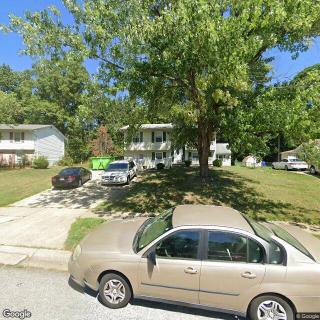
 6 Crucial Ways an Elder Law Attorney Assists Families
 Navigating the Tax Landscape of Caregiving: Credits, Deductions, and Beyond
 Highly Beneficial Low-Impact Exercises for Senior Living Residents