13114 Meadow Drive, Waldorf, MD 20601
For more information about senior living options: (844) 490-3973
Harmony House Assisted Living in Waldorf, MD is best suited for families seeking a warm, home-like setting where staff are consistently described as caring, attentive, and genuinely engaged with residents. The community embraces an age-in-place philosophy, and the milieu favors close-knit interactions, hands-on daily support, and a sense of family among residents, staff, and leadership. It works well for seniors who want a smaller, residential atmosphere with ready-access to assistance, a strong emphasis on personal connections, and memory-care options within a familiar neighborhood context. Those needing intensive medical oversight, continuous on-site nursing, or highly clinical supervision may want to consider alternatives with more expansive medical staffing. Price sensitivity is also a factor; independent-living expectations can push toward the upper end of the local market, making budget alignment essential.
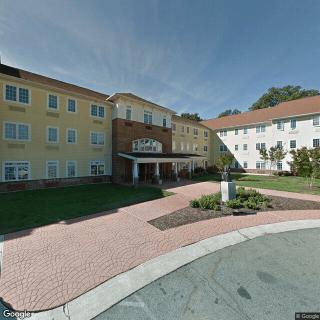
On the upside, Harmony House earns high marks for amenities, facilities, and a staff culture that residents and families repeatedly praise. Tours reveal well-maintained common areas, a clean, welcoming fragrance, and a layout that feels practical for daily living. The care team is repeatedly lauded as professional, compassionate, and consistently present across day and night shifts, with caregivers who treat residents like family. The memory-care offering is described as attentive and engaging, and residents often appear more alert and engaged after moving in. The overall environment comes across as friendly and personal, with many notes about staff responsiveness, front-desk warmth, and leadership that seems committed to keeping care aligned with resident needs.
Yet the reviews do not ignore meaningful drawbacks. A notable thread concerns meal quality, with some residents reporting inconsistency in dining experiences and suggesting that a skilled chef could lift the program. Communication gaps also surface in a few accounts: families out of state describe difficulty obtaining timely follow-up, updates, or responses, and there are mentions of items going missing in a locked-memory-care setting. A stark caution arises from one longitudinal family account alleging a serious lapse in medical care for an Alzheimer's patient years ago, accompanied by claims of neglect; while this is a single, older assertion, it underscores the necessity of validating current practices and insisting on clear escalation procedures during tours. Some reviewers question whether the community can sustain the level of medical oversight expected for residents with significant physical health needs, and a few note that the space and layout feel smaller than some competing facilities.
These strengths and vulnerabilities interact in a meaningful way. The standout pros - the compassionate staff, the family-centric approach, and the intentional, homey atmosphere - tend to offset many concerns by delivering reliable day-to-day assistance, emotional reassurance, and a sense of security for families worried about elder care. The memory-care unit, when staffed consistently and well-supervised, can be a strong fit for residents who need concrete support with daily living while remaining in a familiar setting. However, the ability of Harmony House to meet higher medical or nursing demands, assure flawless communication with distant families, and maintain uniform dining quality will shape whether the positives fully outweigh the drawbacks for a given resident's profile. For some, the energy and care culture compensate for tighter medical coverage; for others, the gaps in oversight and communication may tilt the decision toward a facility with larger clinical teams and more predictable dining programs.
Decision-making should be action-oriented. Prospective families should plan to visit across shifts to observe how staff respond in real time and to assess whether the care cadence matches the resident's needs. Ask pointed questions about night staffing, medical on-call arrangements, and the process for updating family members who live far away. Request a current, written outline of the memory-care program, including staffing ratios, activity schedules, and incident reporting. Inquire about meal planning, menu variety, and opportunities for resident input - these details often determine daily satisfaction as much as staffing quality does. Finally, benchmark Harmony House against nearby options in terms of total monthly cost, included services, and the value delivered for the price, ensuring that any perceived warmth is matched by consistent clinical oversight and transparent communication.
Overall, Harmony House presents a compelling combination of a friendly, community-driven environment with solid caregiving foundations and a genuine emphasis on resident well-being. It serves well for families prioritizing emotional connection, individualized attention, and an aging-in-place approach within a residential setting. It is less ideal for those who require continuous, high-intensity medical management, or for households where consistent, proactive family communication cannot be established and maintained. Careful due diligence - across shifts, with current staff, and through a candid review of dining quality and medical capabilities - will reveal whether Harmony House aligns with the specific care trajectory and budget the family has in mind.
Harmony House Assisted Living in Waldorf, MD is a vibrant and engaging community dedicated to providing exceptional care and services for seniors. With a focus on promoting an active and fulfilling lifestyle, our community offers a wide range of amenities and activities to cater to the unique interests and needs of our residents.
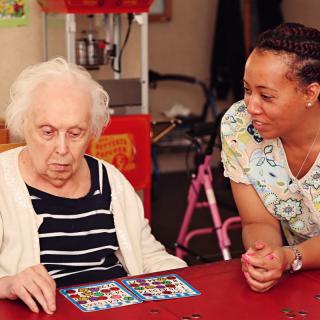
At Harmony House, we understand the importance of staying socially connected and engaged. That's why we provide various on-site activities that encourage interaction, foster friendships, and promote physical and mental well-being. Whether it's arts and crafts, exercise classes, or educational workshops, there is always something for everyone to enjoy.
In addition to our vibrant on-site activities, Harmony House is conveniently located near numerous cafes, parks, pharmacies, physicians' offices, restaurants, places of worship, theaters, and hospitals. This ensures that our residents have easy access to essential services while also having plenty of options for dining out or exploring the local attractions.
Our highly trained staff is dedicated to providing top-notch care services tailored to meet each resident's individual needs. Our specialized care services include diabetic care for those with specific dietary requirements, high acuity care for individuals with complex medical conditions, incontinence care for those who need assistance with daily living tasks related to incontinence management, and medication management to ensure proper administration of medications.
At Harmony House Assisted Living in Waldorf, MD, we strive to create an environment where residents can thrive physically, emotionally, and socially. We invite you to experience the warm and welcoming atmosphere of our community where compassionate care meets enriching experiences.
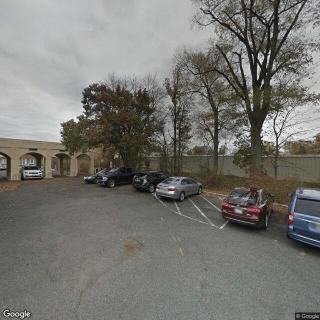
Harmony House Assisted Living is located at 13114 Meadow Drive, Waldorf, MD 20601 in Prince George's County, Maryland
Yes, Harmony House Assisted Living allows both dogs and cats.
Is a Geriatric Care Manager the Right Choice for Your Family?

Geriatric care managers create personalized care plans for older adults, addressing their medical, social, financial, and psychological needs while coordinating services and advocating for their well-being. They help families navigate caregiving challenges but may be hindered by high costs and a shortage of qualified professionals.
Compassionate Conversations: How to Comfort Someone Who Is Grieving

The article highlights the importance of empathy and open communication when comforting someone who is grieving, noting that grief is unique to each individual and emphasizing the need for sincere expressions of condolence, active listening, and ongoing support. It also addresses cultural differences in mourning practices and encourages tailored approaches to provide effective comfort.
Home Health Care Aides: Understanding Their Role and Supporting Your Family
Home health care aides provide vital medical and non-medical support to individuals at home, assisting with daily living activities and promoting emotional well-being, while the demand for these services increases due to an aging population. Families benefit from in-home care's flexibility and cost-effectiveness but face challenges like scheduling consistency and caregiver turnover.