
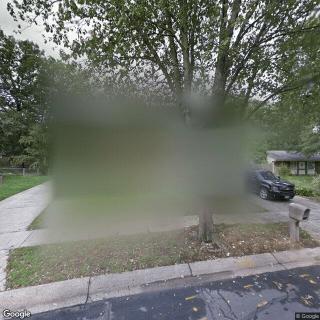
2309 Pinefield Road, Waldorf, MD 20601
For more information about senior living options: (866) 208-4318
Overall Review of Angels Heart- Pinefield Facility
Pros
 The employees are friendly.
Cons
 The facility is not as clean as it once was.
- The patient care is only mediocre.
Review
Angels Heart- Pinefield Facility in Waldorf, MD is best suited for seniors who prize a warm, personable staff and a socially engaged environment over clinical polish. The community appears to serve residents who need light to moderate assistance with daily tasks and who want daily interactions that feel neighborly rather than hospital-like. Families will find comfort in staff approachability and apparent willingness to accommodate individual routines, which can translate into meaningful day-to-day quality of life for residents who value friendly, accessible support. The location in Waldorf also makes it convenient for nearby families to visit and participate in care planning, which can be a meaningful factor in ongoing satisfaction.
However, those facing serious medical needs or requiring rigorous cleanliness and oversight should consider alternatives. The limited data set, two reviews, combined with a four-star overall rating, signals a mixed track record rather than a consistently strong performance. The most vocal caution centers on cleanliness, noted as not as clean as it once was, which can undermine comfort and health for vulnerable residents. Moreover, “mediocre” patient care raises questions about timely nursing attention, monitoring of changes in condition, and adherence to care plans. For families that cannot tolerate gaps in safety nets or meticulous attention to daily health needs, alternatives with stronger clinical oversight are advisable.
The strongest positive in the observed signals is the staff’s friendliness. Where other facilities may struggle with interpersonal warmth, Angels Heart-Pinefield appears to foster approachable, cordial interactions. That kind of atmosphere can reduce anxiety for residents and make routine tasks and transitions less stressful for families. When care tasks are delegated to a team that communicates well and treats residents with respect, the daily rhythm of life can feel more stable, even if the clinical metrics fall short. In practical terms, residents may experience better mood, more meaningful social contact, and a sense of being noticed, factors that matter when longevity and independence are central to the decision.
Yet the cons are tangible enough to demand scrutiny. Cleanliness slipping from previous levels creates a tangible risk: unpleasant odors, clutter, or overlooked housekeeping tasks can affect comfort and, in some cases, safety. This is not a minor blemish; it signals potential gaps in routine maintenance, infection-control practices, and accountability. Mediocre patient care compounds the concern, suggesting possible delays in assistance, uneven monitoring, and less consistency in following prescribed care plans. These vulnerabilities are especially consequential for residents with mobility challenges, cognitive needs, or chronic conditions that require prompt, competent response from nursing staff. The combination creates a scenario where the home-like atmosphere is undercut by real-world risk.
The positive social climate and staff approachability can help offset some most immediate concerns, but not all. Friendly personnel can provide companionship, daily reassurance, and a bridge to families, which improves perceived quality of life even when clinical care is not flawless. This means families may be able to maximize satisfaction by leveraging staff relationships to ensure concerns are heard and addressed quickly, while simultaneously advocating for improvements in housekeeping and clinical oversight. To protect the resident, it is essential to seek concrete protections: request current housekeeping schedules, sanitation workflows, and checklists; verify nurse-to-resident ratios on each shift; insist on clear care plans with regular updates and documented interventions; and ask for specific response-time metrics to alarms or call bells. A structured tour should include observation of room cleanliness, common areas, and how staff respond to residents in real time.
Bottom line: Angels Heart- Pinefield serves best for families who prioritize a warm, people-centered environment and can tolerate some variability in cleanliness and clinical performance. It is less suitable for those whose primary criteria are immaculate conditions and consistently proactive nursing care. Pros, friendly staff and a social, welcoming atmosphere, do not fully offset the main drawbacks of cleanliness and mid-range clinical care. That gap makes careful due diligence essential: tours, current resident references, and firm assurances about housekeeping, nursing oversight, and care-plan accountability. If these assurances cannot be met or demonstrated, pivot to alternatives in the Waldorf area that deliver stronger cleanliness standards and more robust, nurse-led care.
 5 resident community capacity
 Assisted Living
 Cable or satellite TV
 Dining room
 Fully furnished
 Garden
 Housekeeping services
 Move-in coordination
 Outdoor space
 Telephone
 Wi-Fi/high-speed internet available
 Ronald Reagan Washington National (17 miles away)
 24-hour supervision
 Activities of daily living assistance
 Assistance with bathing
 Assistance with dressing
 Assistance with transfers
 Diabetes diet
 Meal preparation and service
 Medication management
 Special dietary restrictions
 Transportation arrangement (medical)
 Transportation to doctors appointments


 Comprehensive Insights into Activities of Daily Living (ADLs) and Their Assessment
 Medicare Coverage for Assisted Living: An In-Depth Exploration
 Your Comprehensive Guide to Luxury Assisted Living: Elevated Facilities, Amenities, and Costs