
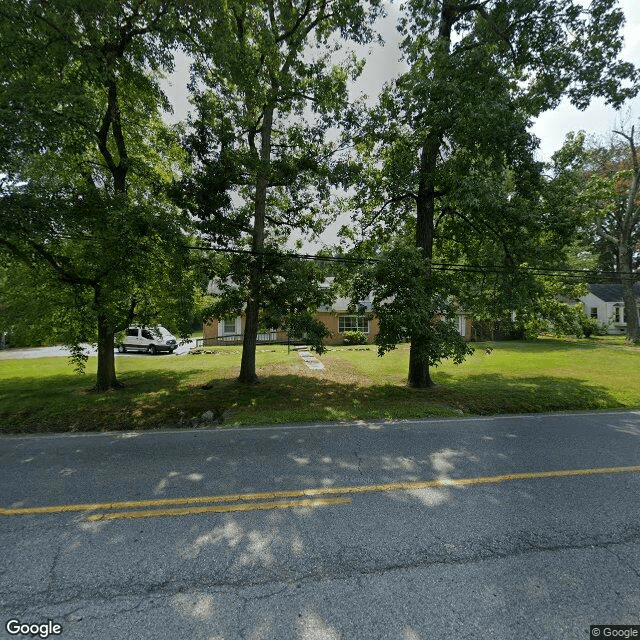
3394 Old Washington Road, Waldorf, MD 20602
For more information about senior living options: (866) 208-4318
Angel Assisted Living-Waldorf Costs & Pricing
Angel Assisted Living-Waldorf offers competitive pricing for its services, particularly when compared to both Charles County and the broader state of Maryland. The facility provides semi-private rooms at a monthly cost of $2,500, which is notably lower than the county average of $2,671 and the state average of $3,545. For those seeking more privacy, private rooms are available with costs ranging from $3,000 to $5,340; this range remains favorable compared to the county's average of $4,094 and the state's average of $4,112. Overall, Angel Assisted Living-Waldorf stands out as a cost-effective option for assisted living in the region while maintaining quality care for its residents.
| Floor plans | Angel Assisted Living-Waldorf | Charles County | Maryland |
|---|---|---|---|
| Semi-Private | $2,500 | $2,671 | $3,545 |
| Private | $3,000 to $5,340 | $4,094 | $4,112 |
Assisted Living communities with a similar price nearby
-
from +$200 / mo
Lifesprings Eldercare II
$2,700 to $3,100 / month12.9 miles away -
About the same
Amazing Grace Senior Care
$2,500 to $3,000 / month21.8 miles away -
from +$100 / mo
My Parent's Place
$2,600 to $3,000 / month11.9 miles away -
from -$400 / mo
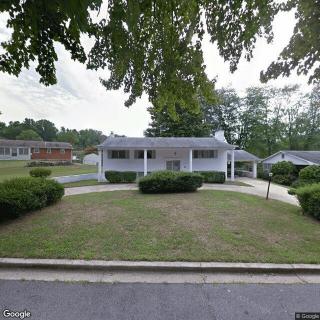
Mamie's Loving Care III
$2,100 to $3,000 / month12.7 miles away -
from +$100 / mo
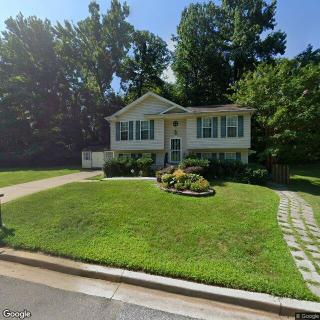
Rita's Adult Home Care II
$2,600 to $3,000 / month19.5 miles away
Overall Review of Angel Assisted Living-Waldorf
Pros
 Three Angels Assisted Living truly exceeds expectations in providing exceptional care and support for residents transitioning to assisted living.
- The staff and owners at Three Angels are dedicated, evident in every interaction, creating a warm, loving, home-like environment.
- Their attentiveness and genuine compassion make transitions seamless and assure families that residents are loved and well cared for.
- Three Angels provides outstanding care and support and is highly recommended for loved ones in need of assisted living.
- The staff at Three Angels are kind, compassionate, and genuinely angelic in their care for residents.
- The home itself is spacious, clean, and has a warm, welcoming atmosphere.
- Residents at Three Angels are treated like beloved family members, with personal touches everywhere.
- The staff pour their hearts into creating a loving environment at Three Angels.
- They monitor health conditions and communicate with families to keep them informed and involved.
- On-site medical services, including a visiting doctor and regular nurse check-ins, provide convenient care for residents.
Cons
 The facility does not accept Medicaid waivers and has no plans to do so.
- There is a significant language barrier between the staff and the residents.
- The mom does not understand 90% of what the staff are saying.
- There are no activities for residents.
- The facility has had a problem with bugs reported by the family.
- No renovations have been started despite plans to enlarge the bathroom.
- The other residents are very low functioning, resulting in no socialization.
- They have applied for Medicaid waiver but do not have it yet.
Review
This Waldorf community is best suited for families that prize an intimate, caregiver-driven environment where staff treat residents like family and care plans are highly personalized. The reviews portray a home-like setting with a strong emphasis on warmth, attentiveness, and frequent family communication. The on-site medical presence, nurse support, regular physician visits, and accessible charting, creates a practical safety net for seniors with chronic conditions or memory concerns who benefit from steady professional oversight without constant hospital-style routines. For families seeking a truly compassionate, low-key atmosphere where care feels deeply individualized, this option stands out.
Owners and operators who emphasize transparency and daily warmth are a fit here, but certain realities warrant caution. Prospective buyers should consider alternatives if Medicaid waiver eligibility is a prerequisite, if a robust, structured activity program is non-negotiable, or if language concordance with caregivers is critical for smooth day-to-day communication. Several reviews flag that Medicaid waiver status can be misunderstood or misrepresented, and language barriers can complicate care planning and daily interactions. For families that rely on formal social programming or need highly consistent, easily understood communication, exploring other options may be prudent.
The strongest positives center on the human touch: caregivers described as compassionate, patient, and genuinely devoted to residents, with many reviewers emphasizing that residents are treated with dignity and affection. The environment earns praise for cleanliness, a homey feel, and sensory reminders of home, fresh flowers, aromas of home-cooked meals, and intimate common areas that invite casual interaction. The facility’s ADA compliance, careful supervision, and documented medical oversight, alongside in-house medical staff and visiting professionals, build a sense of security that can offset the absence of a larger, more formal programming calendar. For families who value knowing their loved one is in a place where staff will notice subtle changes in health or mood, these strengths matter a lot.
Yet several concrete drawbacks temper the overall picture. Language barriers between caregivers and residents can impede understanding, especially for those coping with dementia or speech difficulties. Socialization appears uneven: some residents are nonverbal or disengaged, and the calendar of activities may be sparse or lacking, which can leave more socially oriented seniors feeling under-stimulated. Pest issues and delayed renovations have shown up in some reviews, signaling opportunities for improvement in maintenance and facility upgrades. While a large bathroom or room size offers comfort, it does not compensate for gaps in engagement or the sense of a fully active community.
These pros and cons collide in a way that makes the decision highly depends on family priorities. The care model succeeds at delivering consistent affection, transparent communication, and medical oversight within a clean, safe, home-like framework. That framework offsets some risk for families who can tolerate limited programming and occasional maintenance hiccups, provided there is ongoing family involvement and clear care documentation. For families prioritizing social immersion, structured activities, and perfect alignment with Medicaid funding, the positives may not fully offset the negatives, and alternatives with stronger activity schedules and clarified payer status warrant consideration.
Bottom line: this community is a strong choice for families seeking intimate, nurse- and doctor-supported care in a warm, welcoming setting, where caregivers dedicate themselves to daily, personalized attention. It is less recommended for those who cannot tolerate language gaps, limited social programming, or uncertainty around Medicaid eligibility. Prospective residents should schedule a thorough visit focusing on current activity offerings, daily routines, language compatibility with staff, pest control history, and a concrete plan for any needed renovations. If those areas meet expectations, the balance of compassionate care, family-like culture, and medical oversight can translate into meaningful, steadier days for a loved one. If not, exploring other options with a more robust activity calendar, clearer payer pathways, and tighter language alignment will likely yield a more satisfying fit.
 16 resident community capacity
 Assisted Living
 Board and Care Home
 Cable or satellite TV
 Dining room
 Fully furnished
 Garden
 Housekeeping services
 Move-in coordination
 Outdoor space
 Private
 Telephone
 Wi-Fi/high-speed internet available
 Ronald Reagan Washington National (17 miles away)
 24-hour supervision
 Activities of daily living assistance
 Ambulatory care
 Assistance with bathing
 Assistance with dressing
 Assistance with transfers
 Diabetes diet
 Meal preparation and service
 Medication management
 Special dietary restrictions
 Transportation arrangement (medical)
 Transportation to doctors appointments



 When to Transition from Assisted Living to Memory Care: Key Indicators, Steps, and Finding the Right Community
 Assisted Living and Memory Care: Understanding Their Core Differences
 Beyond the Bingo Hall: 50+ Enriching Activities for Seniors in Assisted Living