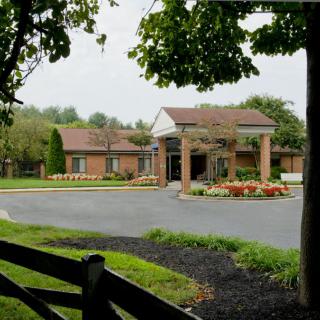
Wellness Assisted Living

Save
Wellness Assisted Living

Wellness Assisted Living

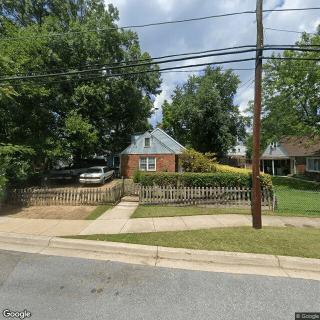
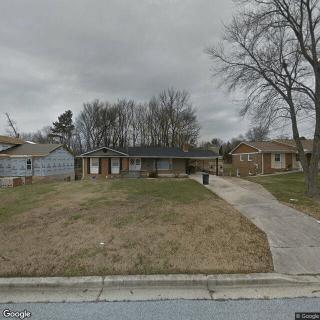
10412 Beaver Knoll Drive, Upper Marlboro, MD 20772

For more information about senior living options: (844) 490-3973

3.6 from 15 reviews
5 stars
9
4 stars
1
3 stars
0
2 stars
0
1 stars
5

Assisted Living Board and Care Home Memory Care

Wellness Assisted Living Costs & Pricing

Wellness Assisted Living offers competitive pricing for its services compared to the broader market in Prince George's County and the state of Maryland. For example, their semi-private rooms are priced at $2,800 per month, which is notably more affordable than the county's average of $3,058 and the state's average of $3,545. Similarly, both their one-bedroom and private accommodations are set at $3,000 per month, significantly lower than the county rates of $3,568 and $3,792 respectively. This positions Wellness Assisted Living as a cost-effective option for those seeking quality care without compromising on comfort in a region where expenses can quickly add up. Overall, residents can enjoy high-quality assisted living while benefiting from lower monthly costs compared to neighboring facilities.

Floor plansWellness Assisted LivingPrince George's CountyMaryland
Semi-Private$2,800$3,058$3,545
1 Bedroom$3,000$3,568$3,904
Private$3,000$3,792$4,112

Overall Review of Wellness Assisted Living

Pros

  • pro The staff member Terry was described as absolutely wonderful and very informative during the tour.
  • pro The tour was described as professional, informative, and genuine.
  • pro The establishment is described as a beautiful place.
  • pro The facility offers resident outings, three homemade meals a day, independent living options, and wheelchair accommodations.
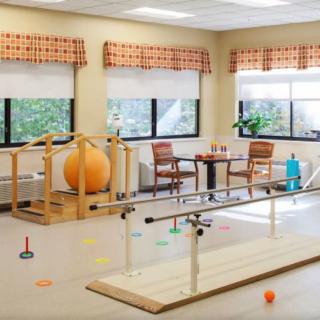
  • pro The facility provides all therapeutic services and comprehensive support.
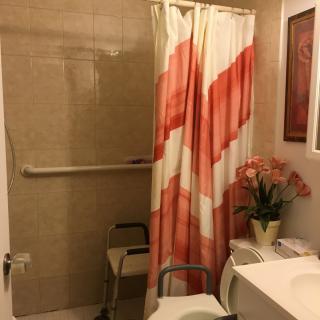
  • pro The bathrooms are safe and equipped with handrails for those who need assistance standing.
  • pro The focal point is to help people reclaim their abilities in society.
  • pro The service is excellent, and the staff are patient with loved ones, including those with dementia, and can communicate in Spanish.
  • pro The place is very clean and professional, with exceptional meals, and staff treat residents with respect, care, and dignity.

Cons

  • pro The facility is not clean and supervision is very limited.
  • pro The courtyard area is not what it looks like; it has weeds growing and the fountain isn't working.
  • pro The management team needs to step up and provide a better atmosphere for the elders; it's a sad situation.
  • pro The place is filthy, with a smell worse than a toilet, the floors dirty, closets and beds broken, no one to do the laundry, and the owner is never there or responsive.
  • pro One tenant has sores on her legs and feet that are not being treated.
  • pro There are concerns that staff lack valid licenses for Home Health or CNA work, and patients sit unattended in their urine and stool for hours.
  • pro A loved one was rushed to the hospital and the reviewer plans to report negligence to the state.
  • pro The place is described as trash, with no staff to clean, cook, or do rounds.

Review

The collection of reviews presents a wide and often jarring spectrum of experiences at this facility. On one end, a number of reviewers describe a place struggling with basic upkeep and staffing, painting a picture of a home that could be comfortable with more attention to maintenance and supervision. Phrases like "it could be a nice place if they employed true maintenance personnel" and "O boy the smell" signal a sense that the environment falls short of its potential. Several reviewers insist that the space needs a thorough sanitizing cleaning, with concerns about the courtyard, weeds, and a non-working fountain contributing to an overall sense of neglect. The sentiment is that, without real upkeep and oversight, the property fails to meet the standard one would expect for elder care.

Several comments zero in on supervision and day-to-day management as major weak points. Reviewers complain of very limited oversight, with claims that the "owner is never there," doors left unanswered, and phones not answered. They describe a situation where essential tasks - such as laundry, food preparation, and rounds - appear to be inadequately covered, sometimes by a single person. The seriousness of these concerns is heightened by specific observations: closets and beds described as broken, and residents left to sit in unsanitary conditions for extended periods. In one particularly troubling account, a tenant is said to have sores that go untreated, and another reviewer alleges misappropriation of stimulus checks. Taken together, these claims lay out a narrative of neglect and insufficient administrative attention.

Not every review echoes the same level of alarm, however. A subset of experiences reads as deeply positive and indicates that the facility can deliver compassionate, attentive care when things are running well. One reviewer recounts a February 7, 2025 tour conducted by a staff member named Terry, who is described as "absolute wonderful," "informative," and "professional and genuine." This account emphasizes a well-structured intake experience, with a sense that the facility provides three homemade meals daily, therapeutic services, and a supportive environment for residents who are independent as well as those in wheelchairs. The reviewer highlights safety features in the bathrooms, such as hand rails, and frames the center's mission as helping people reclaim their ability in society, whichever form that takes for each resident.

Within the same thread of reviews that mention positive experiences, there are also strong negative statements about care for seriously ill residents. One reviewer uses the all-caps exclamation "This place is absolute TRASH!!!!" and describes a lack of staff, with "one person" handling multiple critical duties like cleaning, cooking, and rounds. This sentiment is paired with accusations that staff may lack valid licenses for Home Health or CNA work, and with complaints about residents sitting unattended in their urine and stool for hours. The reviewer connects these conditions to a personal decision to seek state intervention, including a potential formal inquiry. While this is a single, highly charged perspective, it contributes to the overall sense that experiences at the facility can diverge dramatically from one visit to the next.

Amid the more alarming notes, there are additional accounts of strong, positive experiences that emphasize kindness, patience, and respect. One reviewer shares an observation that a family member with Alzheimer's was managed with notable patience, including staff who could communicate effectively in Spanish. Another account pronounces the center "very clean and professional" and praises the meals as exceptional, while stressing that the most important factor was the way the staff treated a mother with dementia - with respect, care, and dignity. This voice also points to staff being patient with challenging behaviors and to a high level of cultural competency, underscored by bilingual or Spanish-speaking team members.

Other reviewers directly compliment the cleanliness and overall ambience, insisting that the place is "very nice and clean" and that the treatment users receive is respectful. A recurring thread in these favorable messages is not only good meals and clean facilities, but also a sense that staff genuinely engage with residents, listen to families, and provide thoughtful care. The strongest endorsements emphasize reliable routines, attentive staff, and humane treatment, especially for residents with cognitive impairments. The presence of outings, a responsive dining situation, and a focus on individual dignity are repeatedly cited as reasons to consider the facility positively.

In sum, the reviews present a complex portrait: some residents and families report serious concerns about cleanliness, safety, nursing oversight, and responsiveness, with allegations ranging from unsanitary conditions to potential licensure issues and even theft. At the same time, other visitors offer compelling praise for caring staff, thorough tours, robust meal programs, and respectful, patient-centered care that supports independence and dignity for elders. The divergent experiences suggest that the facility's performance may vary significantly depending on staff presence, day-to-day management, and perhaps which residents and families engage with the team. For anyone considering placement, the message across these reviews is clear: there are bright, hopeful stories of compassionate care, but there are also urgent warnings about neglect and operational gaps. Visiting and asking pointed questions about maintenance, staffing, licensing, and daily routines would seem essential to form a well-grounded view.

Features

Housing

  • 5 resident community capacity 5 resident community capacity

Types of Care

  • Assisted Living Assisted LivingAssisted living facilities provide crucial support and care for seniors who may need help with daily tasks such as medication management, bathing, and meal preparation. These communities offer a safe and comfortable environment where seniors can maintain their independence while receiving the assistance they need to thrive in their golden years.
  • Board and Care Home Board and Care HomeBoard and care homes provide a smaller, more intimate setting for seniors who require assistance with daily tasks but do not need the level of care offered by a nursing home. They offer personalized care, meals, and social activities in a homelike environment, ensuring that seniors receive individualized attention and support in their golden years.
  • Memory Care Memory CareMemory care is crucial for seniors as it provides specialized support and services for individuals with dementia or Alzheimer's disease. These programs offer a safe and secure environment where residents receive personalized care, cognitive stimulation, and help with daily activities. Memory care helps seniors maintain their independence, quality of life, and dignity while also providing peace of mind for their families.

Amenities

  • Cable or satellite TV Cable or satellite TVCable or satellite TV is important for seniors because it provides entertainment, news, and companionship, helping to combat loneliness and boredom. It also offers a wide range of programming options tailored to different interests and preferences.
  • Dining room Dining roomDining rooms are important for seniors as they provide a space for socialization, connection, and nutritious meals. They offer opportunities for residents to bond over shared meals, foster a sense of community, and promote healthy eating habits. Dining rooms also ensure that seniors have access to well-balanced meals tailored to their dietary needs and preferences.
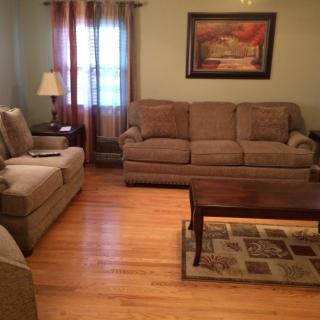
  • Fully furnished Fully furnishedFully furnished senior living communities are important for seniors because they provide convenience, comfort, and a hassle-free moving experience. Seniors can easily settle into their new living space without the stress of having to buy and move furniture. This allows them to focus on enjoying their new home and community.
  • Garden GardenGardens are important for seniors as they provide a peaceful and therapeutic environment for relaxation, physical activity, and socialization. Being in nature has been shown to reduce stress, improve mood, and promote overall well-being. Gardens also offer opportunities for seniors to engage in gardening activities, which can improve mobility, flexibility, and cognitive function. Additionally, gardens create a sense of community and connection with others who share a passion for plants and outdoor spaces.
  • Housekeeping services Housekeeping servicesHousekeeping services are important for seniors because they help maintain a clean and safe living environment, promote independence, and reduce the risk of accidents or illnesses. Additionally, having assistance with household chores can alleviate physical strain and allow seniors to focus on other aspects of their well-being.
  • Move-in coordination Move-in coordinationMove-in coordination is important for seniors because it helps ease the transition into their new living environment. It ensures that all logistics, such as packing, organizing movers, and setting up utilities are taken care of, allowing seniors to focus on settling in and adjusting to their new home. Having a smooth move-in process can alleviate stress and anxiety, making the transition smoother and more enjoyable for seniors.
  • Outdoor space Outdoor spaceOutdoor spaces are important for seniors as they provide opportunities for physical activity, social interaction, exposure to natural light and fresh air, and a sense of connection to nature. Having access to outdoor spaces can improve overall well-being and quality of life for older adults living in senior communities.
  • Private PrivatePrivacy is important for seniors as it allows them to maintain their independence, dignity, and sense of control over their own lives. It also gives them the space and freedom to relax, reflect, and engage in activities that bring them joy and fulfillment. Creating private spaces within senior living facilities is crucial for promoting overall well-being and quality of life.
  • Telephone TelephoneTelephones are important for seniors as they provide a lifeline for communication with loved ones, emergency services, and healthcare providers. They offer a sense of security and independence, enabling seniors to stay connected and access assistance when needed.
  • Wi-Fi/high-speed internet available Wi-Fi/high-speed internet availableWi-Fi/high-speed internet is important for seniors to stay connected with loved ones, access online resources, and participate in virtual activities to combat feelings of loneliness and isolation. It also allows them to easily manage healthcare needs, access entertainment, and engage in lifelong learning opportunities.

Transportation

  • Ronald Reagan Washington National (13 miles away) Ronald Reagan Washington National (13 miles away)

Care Services

  • 24-hour supervision 24-hour supervision24-hour supervision is important for seniors to ensure their safety, well-being, and access to immediate assistance in case of emergencies or health issues. This constant support provides peace of mind for both seniors and their loved ones, allowing them to age in place with dignity and security.
  • Activities of daily living assistance Activities of daily living assistanceActivities of daily living assistance are important for seniors because they provide essential support with tasks such as eating, bathing, dressing, and mobility. This assistance helps seniors maintain their independence, dignity, and overall quality of life as they age.
  • Ambulatory care Ambulatory care"Ambulatory care services provide essential medical support and treatment to seniors without requiring hospitalization, allowing them to maintain their independence and quality of life while managing chronic conditions or receiving routine medical care."
  • Assistance with bathing Assistance with bathingAssistance with bathing is crucial for seniors as it helps maintain personal hygiene, prevents infections, and ensures their overall well-being and comfort. It also provides a sense of dignity and independence for seniors who may struggle with this task on their own.
  • Assistance with dressing Assistance with dressingAssistance with dressing is important for seniors because it helps maintain their independence, promotes personal hygiene, prevents accidents and injuries, and improves overall quality of life. This service ensures that seniors can continue to dress comfortably and confidently, despite any physical limitations they may have.
  • Assistance with transfers Assistance with transfersAssistance with transfers is crucial for seniors as it helps prevent falls and injuries, maintains their independence, and ensures they can safely navigate their living environment. It also provides peace of mind for both seniors and their loved ones.
  • Coordination with health care providers Coordination with health care providersCoordination with health care providers is crucial for seniors to ensure proper medical care, medication management, and overall well-being. This collaboration helps prevent overlapping treatments, track progress more effectively, and provide comprehensive support tailored to individual needs.
  • Diabetes diet Diabetes dietA diabetes diet is crucial for seniors as it helps manage blood sugar levels, reduce risks of complications, and improve overall health and well-being. By following a balanced and nutritious diet tailored to their specific needs, seniors can better control their diabetes and enhance their quality of life.
  • Diabetic care Diabetic careDiabetic care is crucial for seniors as they are more susceptible to developing diabetes due to aging and other health conditions. Proper management of diabetes can help prevent complications such as heart disease, vision loss, and nerve damage, improving the overall quality of life for seniors in senior living communities.
  • Incontinence care Incontinence careIncontinence care is essential for seniors to maintain their dignity, hygiene, and overall quality of life. By addressing incontinence issues promptly and effectively, seniors can enjoy a sense of independence and comfort in their daily activities.
  • Meal preparation and service Meal preparation and serviceMeal preparation and service are crucial for seniors as they may have limited mobility or energy to cook nutritious meals. Having access to healthy and convenient food options can ensure they are getting the proper nutrition needed to maintain their overall health and well-being.
  • Medication management Medication managementMedication management is crucial for seniors to ensure they are taking the right medications at the correct dosages and times. This helps prevent adverse drug interactions, reduces the risk of medication errors, and promotes overall health and well-being. Proactive management also allows for adjustments as needed based on changing health conditions or new prescriptions.
  • Special dietary restrictions Special dietary restrictionsSpecial dietary restrictions are important for seniors because age-related changes in metabolism and health conditions can make it difficult for their bodies to process certain foods. By following a diet tailored to their specific needs, seniors can maintain their overall health and well-being, manage chronic conditions, and reduce the risk of complications such as malnutrition or food interactions with medications.
  • Transportation arrangement (medical) Transportation arrangement (medical)Transportation arrangements for medical purposes are essential for seniors as they may have difficulty driving themselves to appointments or accessing public transportation. Having reliable and safe transportation options ensures that seniors can receive timely medical care and maintain their health and well-being.
  • Transportation to doctors appointments Transportation to doctors appointmentsTransportation to doctors' appointments is crucial for seniors as it ensures they have access to necessary medical care and support for their health needs. Without reliable transportation, seniors may struggle to attend important appointments, leading to potential delays in treatment and health complications. Providing transportation services helps seniors maintain their overall well-being and quality of life.

Dining

  • Diabetes diet Diabetes dietA diabetes diet is crucial for seniors as it helps manage blood sugar levels, reduce risks of complications, and improve overall health and well-being. By following a balanced and nutritious diet tailored to their specific needs, seniors can better control their diabetes and enhance their quality of life.
  • Special dietary restrictions Special dietary restrictionsSpecial dietary restrictions are important for seniors because age-related changes in metabolism and health conditions can make it difficult for their bodies to process certain foods. By following a diet tailored to their specific needs, seniors can maintain their overall health and well-being, manage chronic conditions, and reduce the risk of complications such as malnutrition or food interactions with medications.

Activities

  • Community-sponsored activities Community-sponsored activitiesCommunity-sponsored activities are important for seniors as they provide opportunities for social interaction, mental stimulation, and physical activity. These activities can help improve overall well-being, combat loneliness and isolation, and promote a sense of belonging and purpose among older adults.
  • Scheduled daily activities Scheduled daily activitiesScheduled daily activities are important for seniors because they provide structure, socialization, mental stimulation, and physical activity. Engaging in regular activities can improve overall well-being and quality of life for seniors living in a community setting.

Description

Our assisted living community in Upper Marlboro, MD is dedicated to providing top-notch care and a comfortable living environment for seniors. We offer two types of care: board and care home, as well as memory care for those with Alzheimer's or dementia.

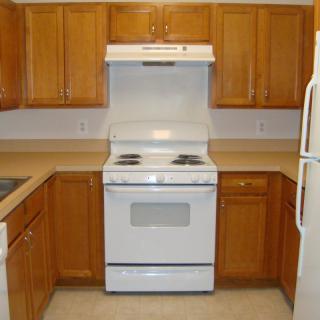
The amenities we provide are designed to enhance the quality of life for our residents. Our dining room offers delicious meals that cater to special dietary restrictions. Each resident's living space is fully furnished, creating a cozy atmosphere. Our outdoor spaces and garden allow residents to enjoy fresh air and nature. Housekeeping services ensure a clean and tidy living area. We also offer move-in coordination assistance to make the transition as smooth as possible.

Our care services cover a wide range of needs. Our staff assists with activities of daily living such as bathing, dressing, and transfers. We coordinate with health care providers to ensure seamless communication and medical support. For those with diabetes, we provide specialized diets and diabetic care. Incontinence care is also available. Medication management is offered to ensure the proper administration of medications. Transportation arrangements are made for both medical purposes and doctor's appointments.

Engaging activities are an integral part of our community. Scheduled daily activities keep residents entertained and stimulated, promoting social interaction and overall well-being.

We are conveniently located near various amenities in the surrounding area. Cafes, parks, pharmacies, restaurants, places of worship, physicians' offices, and hospitals can be found nearby, making it easy for residents to access these services when needed.

At our assisted living community in Upper Marlboro, MD, we prioritize the wellness and happiness of our residents by providing excellent care services along with amenities that promote comfort and enjoyment in their daily lives.

Nearby Places of Interest

Located in Upper Marlboro, Maryland, this neighborhood offers a variety of amenities that cater to the needs of seniors. With multiple McDonald's locations, Popeyes Louisiana Kitchen, Hip Hop Fish & Chicken, Cheddar's Scratch Kitchen, and cafes like Panera Bread and Starbucks in close proximity, residents have convenient dining options. In terms of healthcare, there are hospitals such as MedStar Southern Maryland Hospital Center and Riverside Medical District Heights nearby, along with pharmacies including CVS and Walgreens for easy access to medications. Additionally, the area boasts several parks like Marlton Community Park and Watkins Regional Park for outdoor recreation. For spiritual support, there are places of worship like Maryland Gospel Assembly and Saint Peters Catholic Church within a short distance. Physicians' offices are also readily available with options such as Childrens Pediatricians and Southern Maryland Oral Maxillofacial Surgery nearby. Overall, this part of Upper Marlboro provides seniors with a well-rounded community offering various services essential for comfortable living.

Restaurants

  • McDonald's (1.1 miles)
  • Popeyes Louisiana Kitchen (3.4 miles)
  • McDonald's (3.5 miles)
  • McDonald's (4.4 miles)
  • Hip Hop Fish & Chicken (4.6 miles)
  • Cheddar's Scratch Kitchen (5.8 miles)
  • McDonald's (5.9 miles)

Hospitals

  • MedStar Southern Maryland Hospital Center (2.8 miles)
  • Riverside Medical District Heights (8 miles)
  • Civista Medical Center (10 miles)
  • Precision Orthopedics and Sports Medicine (10.1 miles)

Pharmacies

  • CVS Pharmacy (2.8 miles)
  • Walgreens (3.5 miles)
  • CVS Pharmacy (3.7 miles)
  • CVS Pharmacy (5.7 miles)
  • Shoppers Food & Pharmacy (7.4 miles)
  • CVS Pharmacy (7.5 miles)
  • Walgreens (7.5 miles)

Parks

  • Marlton Community Park (3.4 miles)
  • Mellwood Park (4.3 miles)
  • Cedarville State Forest (7.3 miles)
  • Pinefield (7.4 miles)
  • Watkins Regional Park (9.4 miles)

Cafes

  • Panera Bread (3.4 miles)
  • Starbucks (8.3 miles)
  • Starbucks (9.2 miles)
  • Panera Bread (9.7 miles)
  • Starbucks (10 miles)

Places of Worship

  • Maryland Gospel Assembly (4.3 miles)
  • St Marys Catholic Church (8.4 miles)
  • Saint Peters Catholic Church (9.4 miles)
  • Lifepoint Church (9.9 miles)

Physicians

  • Childrens Pediatricians (4.5 miles)
  • Weinstein Eye Associates (6 miles)
  • Southern Maryland Oral Maxillofacial Surgery (9 miles)
  • Dr Bhargesh P. Mehta, MD (9 miles)
  • South River Pediatrics (9.1 miles)
  • Dunkirk Vision (9.1 miles)
  • Calvert Orthopaedic & Sports Medicine Center (9.2 miles)

Theaters

  • Xscape 14 (5.9 miles)

Frequently Asked Questions

How much does it cost to live at Wellness Assisted Living in Upper Marlboro, MD?
Where is Wellness Assisted Living?
Does Wellness Assisted Living provide care for residents with dementia or Alzheimer's disease?

Nearby Communities

Related Resources

  • assisted living waiver programA Detailed Exploration of Assisted Living Medicaid Waivers Across the United States

    Medicaid waivers for assisted living services provide vital support for seniors and individuals with disabilities in need of long-term care, with varying state-specific eligibility criteria and benefits. These waivers cover personal care and case management but often do not fully cover room and board, leading to waiting lists for many applicants.

  • assisted living vs skilled nursingExploring the Contrasts Between Assisted Living and Skilled Nursing

    The article compares assisted living and skilled nursing facilities, detailing their differing levels of assistance, medical support, cost structures, and day-to-day experiences. It emphasizes that assisted living is for those needing help with daily activities while maintaining independence, whereas skilled nursing facilities provide intensive medical care with 24-hour staff supervision.

  • active senior livingVibrant Senior Living: A Comprehensive Guide for Active Older Adults

    Vibrant Senior Living emphasizes active senior living communities that promote independence and engagement through diverse amenities and activities, fostering wellness and social interaction among older adults. These communities range from independent to assisted living, with a focus on personal growth, family involvement, financial planning, and leveraging technology to enhance residents' experiences.