




12610 Cambleton Drive, Upper Marlboro, MD 20774
For more information about senior living options: (866) 208-4318
Overall Review of Rise And Shine Assisted Living
Pros
 The staff is very professional.
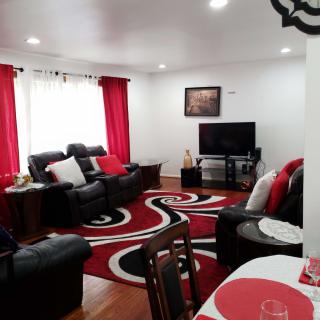
- The facility is well kept.
- The level of care on display is unmatched.
- Background checks with all relevant agencies have come back with very positive recommendations.
- Rise and Shine Rehab is highly recommended.
- Mrs. Lawrence, the manager, is a caring woman who cares about her patients.
- The facility is clean and nicely set up.
- The hospitality was great and residents appeared well groomed and happy.
- The reviewer would recommend the facility to others.
- The reviewer feels Rise and Shine Rehab is next to home.
Cons
 The facility should not be listed as a rehab, as it does not rehabilitate residents.
 - If a resident is a fall risk, they will not touch them.
- There were no activities scheduled for mental stimulation, and residents mostly watched TV.
- The grandmother was very weak and bedridden during her entire stay.
- One nurse was consistently complained about and appeared to speak little or no English.
- They used the wrong ointments on parts of her body, which worsened her pain and did not help her mobility.
- Care was reduced to bathe, feed, medicate, repeat, with no genuine effort to stimulate or mobilize her.
- A refund request for January’s payment went unanswered after the grandmother passed.
- The staff interaction included yelling at family members and denying access to the grandmother, which was concerning.
Review
Rise and Shine Assisted Living in Upper Marlboro is best suited for relatively mobile seniors who want a clean, orderly environment and personal attention from a manager who appears genuinely invested in residents. The community seems to serve those who can participate in daily routines and communicate their needs, rather than individuals with serious rehabilitation requirements or high fall risks. Families with loved ones who need ongoing medical oversight, intensive therapy, or robust social programming should consider alternatives. For residents who are bedridden, largely nonverbal, or require consistent mobilization and restorative therapy, this community is unlikely to meet expectations.
Pros touted in multiple accounts include a clean, well-kept facility and professional staff who appear to handle day-to-day operations competently. Several reviewers mention background checks with relevant agencies returning positive results, which provides a layer of reassurance for families weighing safety and accountability. A caregiver-centered manager has been described as caring by some families, and a visitation experience is sometimes noted as hospitable and welcoming. In these respects, the environment can offer a predictable, low-chaos setting where belongings and rooms are orderly, and staff are present to manage routine tasks.
Yet the positive signals are repeatedly tempered by serious, recurring concerns about care quality and daily programming. A pattern emerges of minimal engagement beyond basic meals and room care, with reviewers reporting a lack of activities designed to stimulate residents mentally or socially. For a loved one who values mobility, cognitive engagement, or organized programs, these omissions translate into a stagnant routine and diminished quality of life over time. The most pointed warnings center on inadequate care for frail individuals: no obvious gait training, limited assistance with mobility, and a sense that staff focus on custodial tasks rather than rehabilitative support. When mobility or progression stalls, risk for frustration and decline grows.
The friction between the positive and negative threads creates a delicate balance. On one hand, the facility’s upkeep and the presence of professional staff can offer peace of mind for families seeking a neat, low-stress environment with clear boundaries and routine. On the other hand, the core needs of residents who require rehabilitation, aggressive fall-prevention measures, or stimulating activities are not clearly met, and that gap can offset the comfort of a tidy, orderly setting. For families prioritizing medical oversight and therapy, the negatives outweigh the positives; for those prioritizing a calm home-like atmosphere with dependable daily care, Rise and Shine might still fit, provided expectations align with what is realistically offered.
When deciding, upfront due diligence matters. Prospective residents or their families should demand specifics: exact staff-to-resident ratios at different shifts; a current, published activity calendar with examples of cognitive and social programming; a detailed description of rehabilitative services (if any), including frequency, modalities, and therapist credentials; and a transparent policy on handling fall risks and mobility assistance. It is essential to request direct conversations with frontline staff and, if possible, with current residents or their families to gauge day-to-day realities. Verify billing practices, refund policies, and how concerns are escalated; several accounts mention communication gaps and dissatisfaction with responsiveness that warrant careful scrutiny before committing. If choosing Rise and Shine, insist on a written care plan with measurable goals and a clear schedule for regular family updates.
In the end, Rise and Shine Assisted Living does not present as a one-size-fits-all solution. It may work for a mobile, communicator-resident who values a neat, manageable setting and declines intensive rehab demands. For anyone whose loved one requires consistent mobilization support, meaningful social programming, or credible handling of complex medical needs, alternatives should be pursued. The decision hinges on clear alignment between resident needs and what the community reliably delivers: steady cleanliness and visible professionalism on one side, and robust activity, therapy, and responsive care on the other. Families should proceed with careful vetting, concrete expectations, and a candid appraisal of what constitutes acceptable risk and quality of life in this setting.
 3 resident community capacity
 Assisted Living
 Board and Care Home
 Cable or satellite TV
 Dining room
 Fully furnished
 Garden
 Housekeeping services
 Move-in coordination
 Outdoor space
 Telephone
 Wi-Fi/high-speed internet available
 Ronald Reagan Washington National (14 miles away)
 24-hour supervision
 Activities of daily living assistance
 Assistance with bathing
 Assistance with dressing
 Assistance with transfers
 Diabetes diet
 Meal preparation and service
 Medication management
 Special dietary restrictions
 Transportation arrangement (medical)
 Transportation to doctors appointments


 Assisted Living and Memory Care: Understanding Their Core Differences
 Beyond the Bingo Hall: 50+ Enriching Activities for Seniors in Assisted Living
 Understanding the Distinctions: Assisted Living and Memory Care Explained