
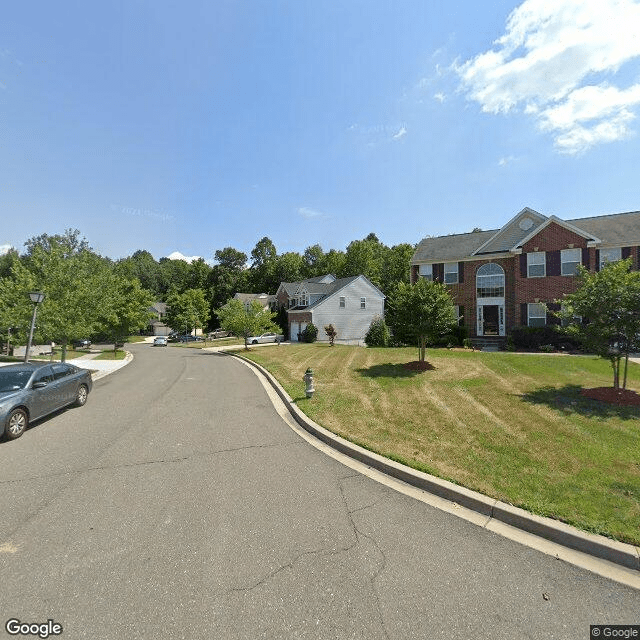
12613 Wallace Lane, Upper Marlboro, MD 20772
For more information about senior living options: (866) 208-4318
My Parent's Place Costs & Pricing
My Parent's Place offers competitively priced accommodation options for residents, with monthly costs that stand out favorably compared to both Prince George's County and the broader state of Maryland. For a semi-private room, the rate is set at $2,600, significantly lower than the county average of $3,058 and well below the state average of $3,545. Similarly, those seeking a private room will find My Parent's Place's fee of $3,000 to be more affordable than the county's typical charge of $3,792 and the state's average of $4,112. This pricing strategy not only emphasizes value but also ensures quality care remains accessible in a competitive market.
| Floor plans | My Parent's Place | Prince George's County | Maryland |
|---|---|---|---|
| Semi-Private | $2,600 | $3,058 | $3,545 |
| Private | $3,000 | $3,792 | $4,112 |
Assisted Living communities with a similar price nearby
-
from +$100 / mo
Lifesprings Eldercare II
$2,700 to $3,100 / month7.8 miles away -
from -$100 / mo
Amazing Grace Senior Care
$2,500 to $3,000 / month13.4 miles away -
from -$130 / mo
Ovalstone Comfort Home
$2,470 to $3,300 / month16.5 miles away -
from +$400 / mo
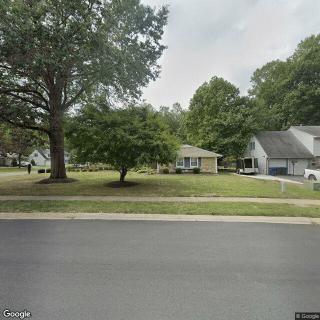
Elsie's Place
$3,000 to $3,500 / month11.1 miles away -
from -$500 / mo
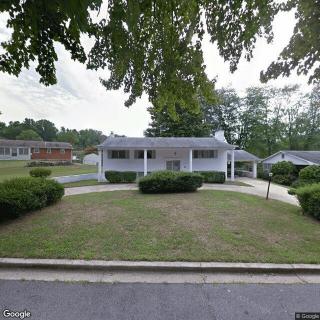
Mamie's Loving Care III
$2,100 to $3,000 / month8.8 miles away
Overall Review of My Parent's Place
Pros
 The facility is a great place that helps families across Maryland.
- Heather, Jill, and Audri are resourceful, helpful, and a major blessing to families they serve.
- They provide a wealth of information.
- The staff are very helpful and nice.
- The owner is pleasant and provides attentive care.
- The facility is a really nice place and is conveniently located close to home.
Review
My Parent's Place in Upper Marlboro is best suited for families seeking a warm, home-like assisted living environment where staff are approachable, hands-on, and able to serve as a resource hub for navigating care options. The community shines when the goal is proximity to home, a calm atmosphere, and a partner who will engage with families rather than merely supervise residents. It works well for adults who benefit from attentive, personable caregivers and a setting that feels more intimate than a large campus. This is a place where staff familiarity with residents translates into consistent daily attention and a sense of belonging for both residents and their families.
Those who should consider alternatives are families prioritizing intensive medical oversight or specialized programs. If 24/7 skilled nursing, complex wound care, memory-care-specific needs, or a formal, regimented rehab pathway are non-negotiable, a larger, hospital-affiliated or memory-care-focused community may be a better fit. The reviews describe a compassionate, service-oriented environment, but they don’t indicate a heavy emphasis on high-acuity medical services. In such cases, a facility with a broader medical team and more specialized care options could provide the coverage that some residents require.
The strongest positives center on people and process. The staff, especially Heather, Jill, and Audri, are praised as resourceful, helpful, and possessing a wealth of information to guide families through every step. The owner’s warmth and the evident attentiveness to individual residents come through in remarks about how care is tailored to the needs of specific family members, including a father who is showing measurable improvement after transitioning from rehab. Residents are described as well cared for, with attention that feels personal, not generic. The facility’s proximity to home and the surrounding community support, evident in donations and the sense of a welcoming, connected environment, amplify these advantages.
These strengths offset the main caveat that emerges from the notes: the atmosphere and relationships matter most when medical complexity is modest and families want reassurance rather than clinical aggression. The near-term payoff is a smoother post-acute or transitional experience, where a caring team coordinates with external providers, monitors progress, and keeps family members in the loop. The staff’s proactive involvement, combined with a pleasant setting, can translate into meaningful daily improvements for residents who are navigating transitions from hospital or rehab settings. In other words, the emotional and logistical support here often compensates for a lighter emphasis on advanced medical protocols.
From a practical decision-making standpoint, this community earns its keep through relationships and reliability. Families are reassured by the consistent attention residents receive, the clear willingness of staff to share information, and the sense that the operation is organized around helping anxious relatives feel at ease. Prospective residents should inquire about current staffing ratios, the level of medical oversight available on site, and how care plans are constructed and updated. A tour should include conversations with frontline caregivers about daily routines, response times, and how coordinated care with outside providers is managed. The community’s community-centric ethos is a tangible asset for families prioritizing connection and continuity.
In the end, My Parent's Place stands out as a practical, senior-living option for families who value a small, attentive environment near home and a staff that truly doubles as an information resource and care partner. It is a well-suited choice for transitioning from rehab or for steady, less medically intensive care where quality relationships and responsive, individual attention matter as much as the day-to-day routines. For families whose priorities skew toward high-level medical services, Memory Care specialization, or a larger campus with a broader clinical footprint, exploring alternatives is sensible. A guided tour, frank questions about services, and a clear plan for future needs will reveal whether this community’s strengths align with the resident’s best path forward.
 5 resident community capacity
 Assisted Living
 Board and Care Home
 Activities off-site
 Bath tubs
 Beautician on-site
 Cable or satellite TV
 Devotional services off-site
 Dining room
 Fully furnished
 Garden
 Housekeeping services
 Indoor common areas
 Move-in coordination
 Outdoor common areas
 Private
 Respite or short term stays offered
 Telephone
 Wheelchair accessible showers
 Wi-Fi/high-speed internet available
 Ronald Reagan Washington National (15 miles away)
 24-hour supervision
 Ambulatory care
 Assistance with bathing
 Assistance with dressing
 Assistance with transfers
 Diabetes diet
 Diabetic care
 High acuity care
 Incontinence care
 Meal preparation and service
 Medication management
 Special dietary restrictions
 Transportation arrangement (medical)
 Transportation to doctors appointments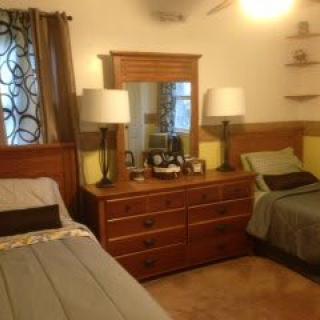

 Comprehensive Insights into Activities of Daily Living (ADLs) and Their Assessment
 Guiding Elderly Parents Who Refuse Assisted Living: 6 Practical Steps
 Your Comprehensive Guide to Luxury Assisted Living: Elevated Facilities, Amenities, and Costs